
Hoi An Travel Tips, Routes & Day Trips
Marble Mountains from Hoi An — Tickets, the Light-Shaft Hour & What Most Visitors Miss
Marble Mountains from Hoi An — Tickets, the Light-Shaft Hour & What Most Visitors Miss
Five marble hills, one ticketed mountain, seventy-eight inscriptions nobody reads, and a cave that only works between nine and eleven.
The Marble Mountains from Hoi An are the easiest big sight on this coast to do badly. Most people ride up, buy one ticket, take the lift, photograph a big pagoda, get hot, and leave inside forty minutes — never finding the light shafts, never noticing the UNESCO-listed inscriptions they walked straight past, and paying for a cave at the bottom they never went into.
It rewards a bit of planning enormously. This guide covers what the ticket actually buys, which gate to arrive at, the one time window when the caves do their trick, and the stone-village story that changes how you look at every carving shop on the road out.
- What you’re actually looking at
- Riding there from Hội An
- Tickets, gates and the lift — read before you buy
- Thủy Sơn: a route through the caves that works
- Huyền Không and the light-shaft clock
- The 78 inscriptions nobody looks at
- Âm Phủ — the separate ticket most people miss
- Non Nước stone village, and where the marble really comes from
- The four mountains nobody climbs
- Practical notes for riders
- What a day at the Marble Mountains from Hoi An actually costs
- Where the photographs are
- Frequently asked questions
What you’re actually looking at
Ngũ Hành Sơn means Five Elements Mountains. Five separate marble and limestone outcrops rise straight out of flat coastal sand a few kilometres south of Đà Nẵng, and each carries the name of one element: Kim (metal), Thủy (water), Mộc (wood), Hỏa (fire) and Thổ (earth). Hỏa Sơn is really two peaks, which is why some counts say six.
Here is the thing almost every visitor gets wrong: only one of the five is ticketed, and that one is the only one anybody visits. Thủy Sơn is the biggest, has the pagodas, the caves, the viewpoints and the lift. The other four are free, open, and essentially empty — see section 09.
| Mountain | Element | What’s there |
|---|---|---|
| Thủy Sơn | Water | The ticketed one. Pagodas, caves, viewpoints, lift |
| Kim Sơn | Metal | Quán Thế Âm pagoda and a 50 m cave. Free, quiet |
| Mộc Sơn | Wood | Smallest, no caves open. Skip unless completist |
| Hỏa Sơn | Fire | Two peaks, some shrines, little foot traffic |
| Thổ Sơn | Earth | Low and wide, old Cham traces, local paths |
These hills were a working quarry for three centuries. The marble was cut out of the mountains themselves for the carving village at their base — until the government stopped it. That single decision explains everything you’ll see on the road today, and it’s the part of the story no tour guide bothers with. It’s in section 08.
Riding there from Hội An
This is the shortest of the classic Hội An day rides — about 20 km, roughly half an hour, and almost entirely along the coast. If you only make one trip out of town on a bike, this is the least intimidating one.
- Head north-east out of the Old Town towards An Bàng beach on Hai Bà Trưng. Ten minutes of ordinary town road.
- Turn left onto the coast road at An Bàng and keep the sea on your right. This becomes Lạc Long Quân, then Võ Nguyên Giáp as you cross into Đà Nẵng.
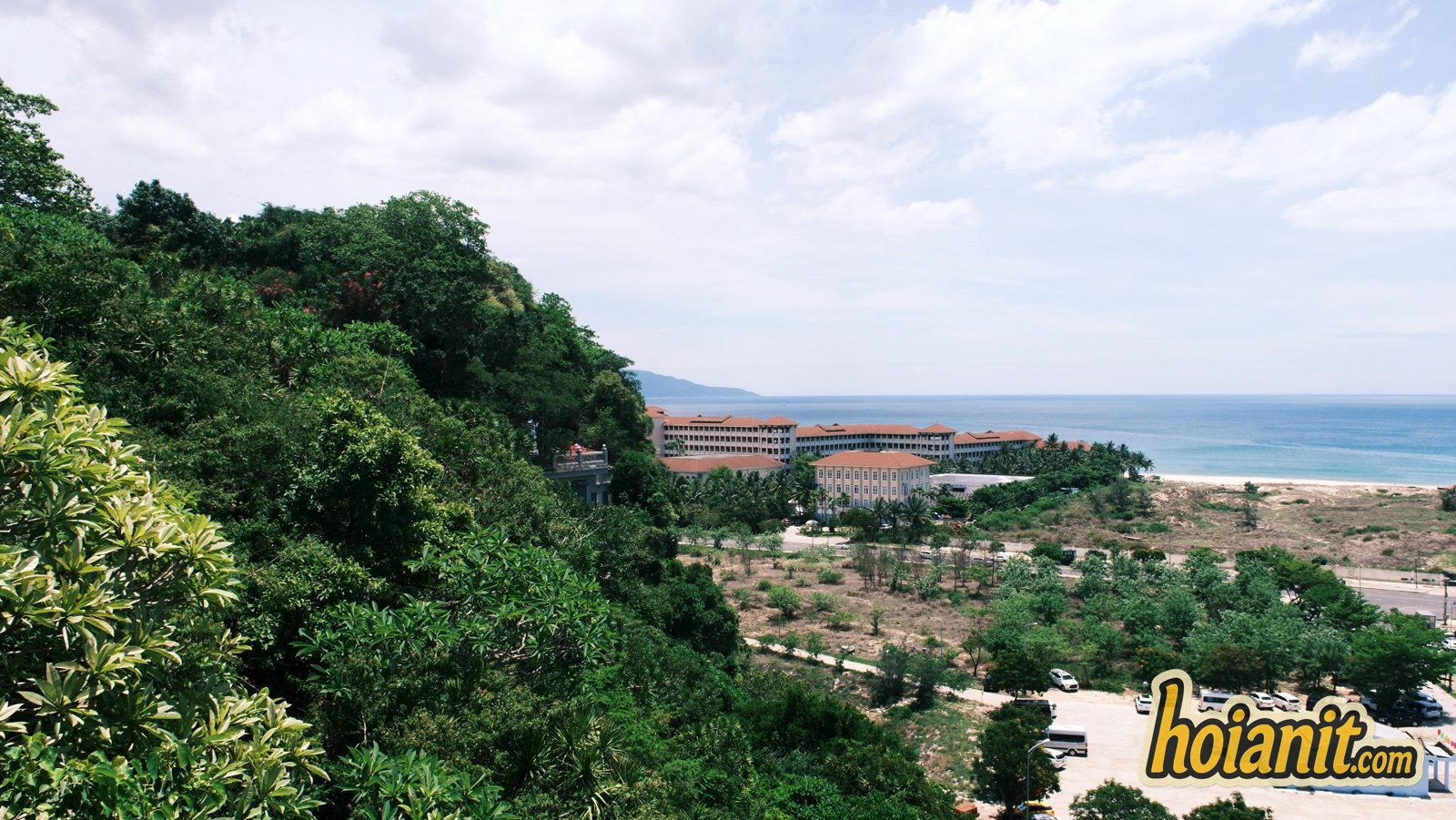
- Ride straight for about 15 km. Beach on one side, resorts and casuarina on the other. Flat, wide, well surfaced — the easiest riding in the region.
- Watch for the mountains on your left. They appear suddenly out of flat ground and there is no mistaking them.
- Turn left at the stone-carving strip. You’ll know it — several hundred metres of workshops with Buddhas, lions and Quan Âm statues lined up on the pavement.
- Park at one of the two gates. Which one matters more than you’d think — see section 03.
- The coast road is the whole point. Riding to the Marble Mountains from Hoi An, Google will sometimes offer an inland route through Điện Ngọc that’s marginally faster and much duller. Take the beach.
- Combine it with Mỹ Khê. The beach is another 5 km north — see our Mỹ Khê guide. Marble Mountains in the morning, swim after, back for late lunch.
- Any bike does it. Flat and paved throughout, so a 50cc or electric bike is fine — this is one of the few day trips where an electric bike genuinely works, at 40 km round trip.
- Parking is at the gates, attended, small fee. Don’t leave anything in the seat compartment.
Need a bike for this?
Anh Khoa delivers motorbikes, electric bikes and bicycles free to your hotel in Hoi An, with helmets, raincoats and 24/7 support.
84 Phan Chau Trinh, Hoi An · hotel delivery from 30,000₫ · 24/7 support








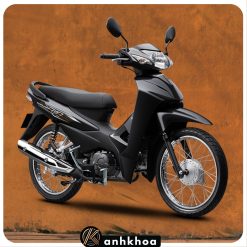




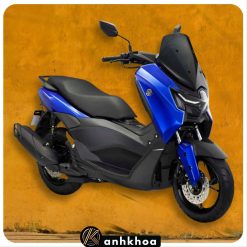




Bikes Rental


Not riding yourself? If you do not have a licence and a 1968-convention IDP, or you simply would rather not ride the Da Nang road, guided day trips and combined tickets are sold here: Marble Mountains tours and tickets. Most include hotel pickup from Hoi An.
Tickets, gates and the lift — read before you buy
The ticketing here confuses almost everyone, because there isn’t one ticket. There are two, they’re bought in different places, and the lift is a third thing again.
| Ticket | Price | What it covers |
|---|---|---|
| Thủy Sơn | 40,000₫ · students 10,000₫ | The mountain: all pagodas, caves and viewpoints on top |
| Âm Phủ cave | 20,000₫ · students 7,000₫ | Separate. A different cave, at ground level |
| Lift | 15,000₫ one way · 30,000₫ return | Saves you about 150 steps up |
| Guide | 50,000₫ per group | Optional, hired at the gate |
| Under 6 | Free | Both tickets |
Opening hours are 07:00 to 17:00, daily. Last sensible entry is around 16:00 if you want to see anything properly.
Up by lift at one gate, down the stairs at the other
There are two entrances to Thủy Sơn and the lift is only at one of them. If you park at the wrong gate you’ll be climbing roughly 150 stone steps in the heat before you’ve seen anything, which is exactly how people end up doing a rushed forty minutes and leaving.
The efficient version: arrive at the gate with the lift, buy a one-way lift ticket only (15,000₫, not the 30,000₫ return), go up fresh, walk the whole top at your own pace, and then descend on foot by the stairs at the other gate. Downhill stone steps are easy, the staircase itself is atmospheric, and you come out at the far end — right into the stone-carving village. You’ll have walked the mountain once through instead of doubling back, and saved 15,000₫ doing it.
- Buy the Âm Phủ ticket only if you’re going in. It’s a genuinely good cave (section 07) but it is not on the mountain and it is not included.
- Bring small notes. Two separate ticket windows, a lift window, and parking.
- The lift queue builds after about 09:30. Coaches from Đà Nẵng and Hội An arrive mid-morning and they all use the lift.
- If you’re riding, park at the lift gate — you can walk back around the base to your bike at the end in a few minutes.
Thủy Sơn: a route through the caves that works
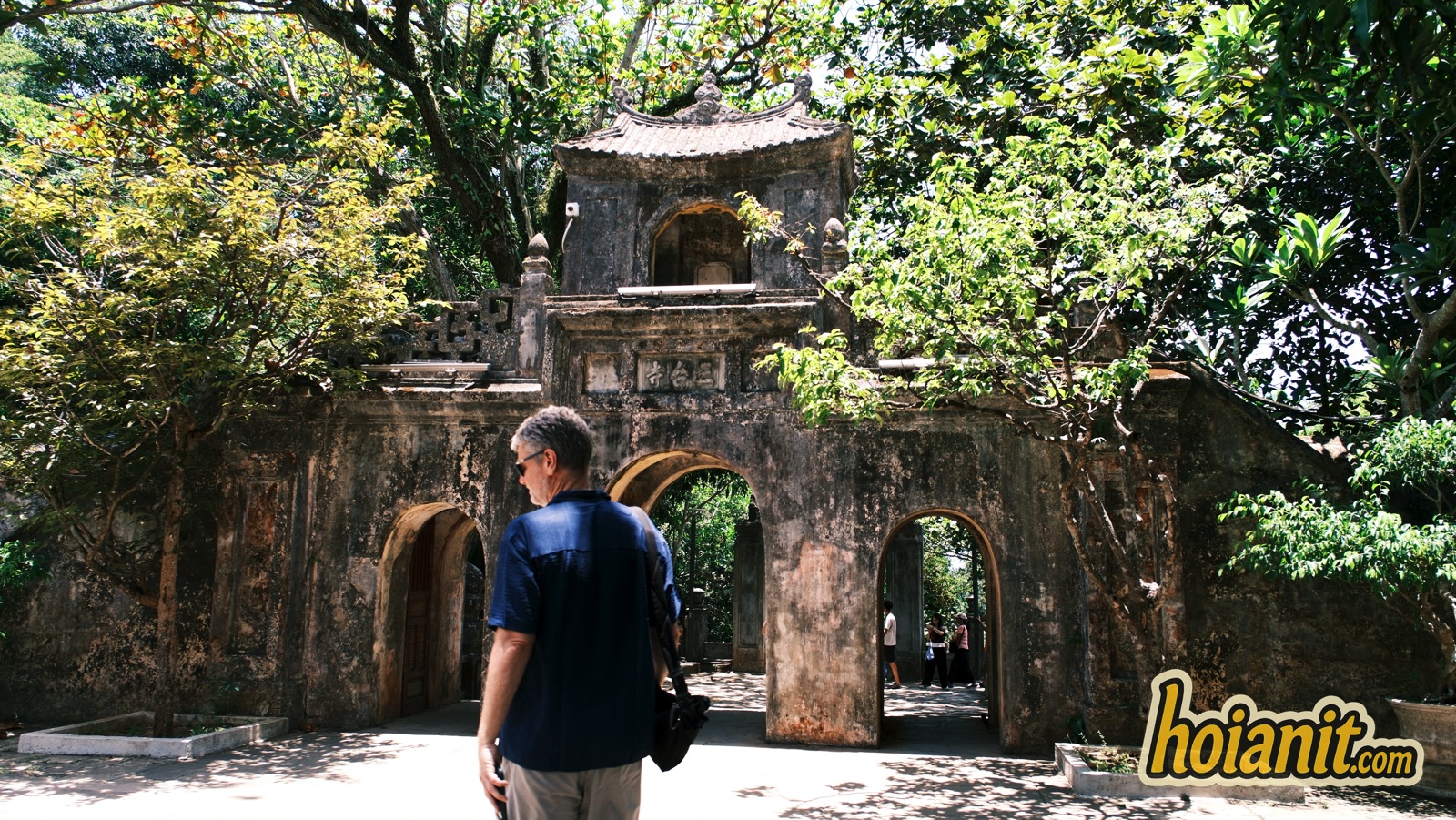
The top of Thủy Sơn is a maze — stone steps going off in five directions, unmarked branches, and caves that connect to other caves. People wander, get hot, miss half of it. A route that works, in order:
- Tam Thai pagoda first, straight off the lift. The oldest complex on the mountain and the natural orientation point.
- Vọng Giang Đài — the river-view platform. Do it now while you still have energy; the whole Thu Bồn plain opens up.
- Huyền Không cave. The big one. Down about twenty steps behind Hoa Nghiêm cave. Timing matters enormously here — section 05.
- Linh Ứng pagoda and the white Buddha, over on the eastern side, with Xá Lợi tower.
- Vọng Hải Đài — the sea-view platform. Best late afternoon, when the light is off the water and the coast goes gold.
- Tàng Chơn cave behind Linh Ứng — smaller, darker, far fewer people, and where a lot of the old inscriptions are.
- Down the stone stairs at the second gate, out into the stone village.
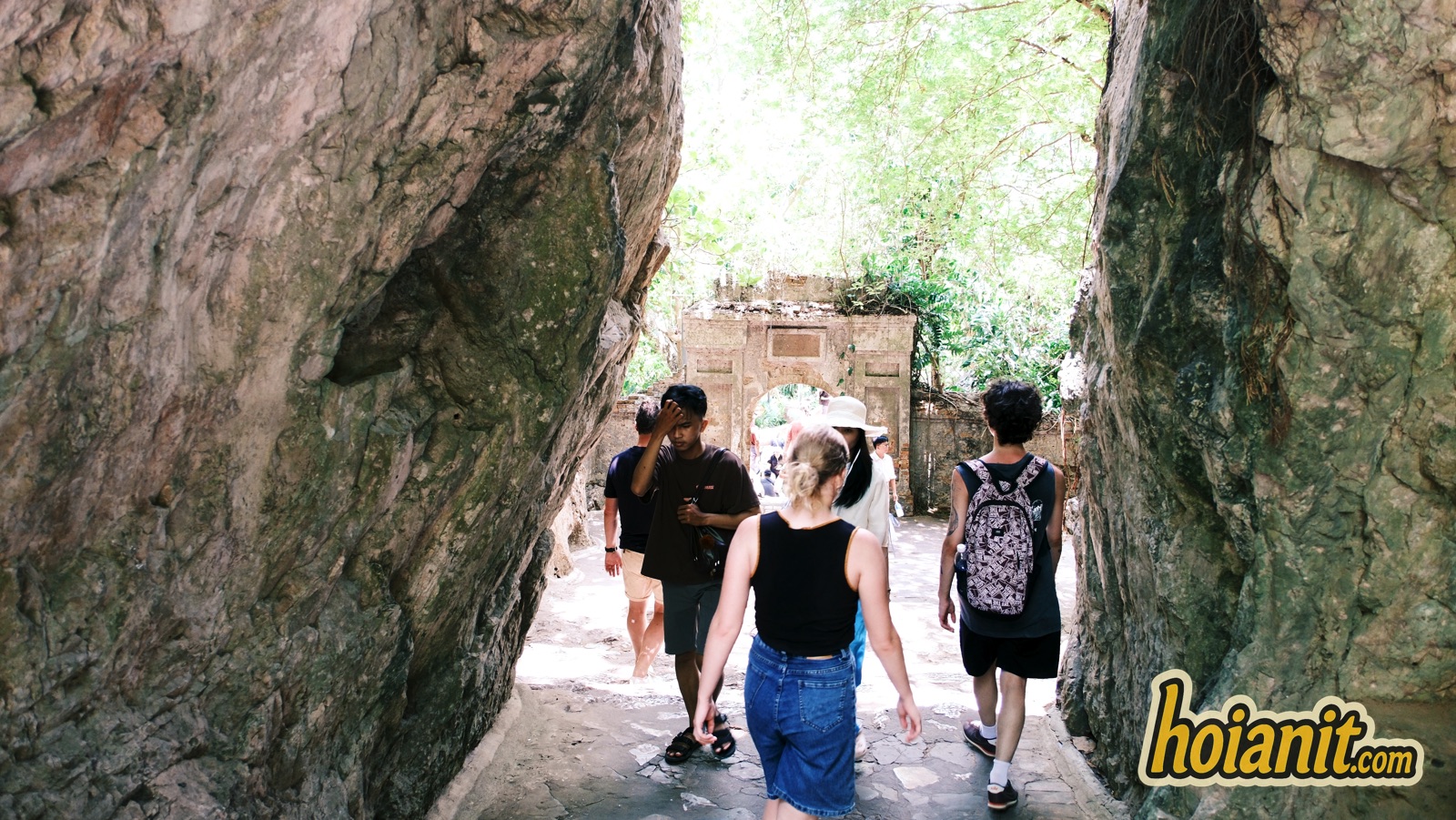
The steps are marble and marble polishes. Centuries of feet have worn the treads smooth and slightly convex, and they get slippery when damp — which, inside caves, is most of the time. Flip-flops are a bad idea here in a way they aren’t at most Vietnamese sites. Wear something with a bit of grip, and use the handrails on the descent rather than the ascent.
Huyền Không and the light-shaft clock
Huyền Không is the reason to come, and it is also the single clearest case of timing making or breaking a visit anywhere near Hội An.
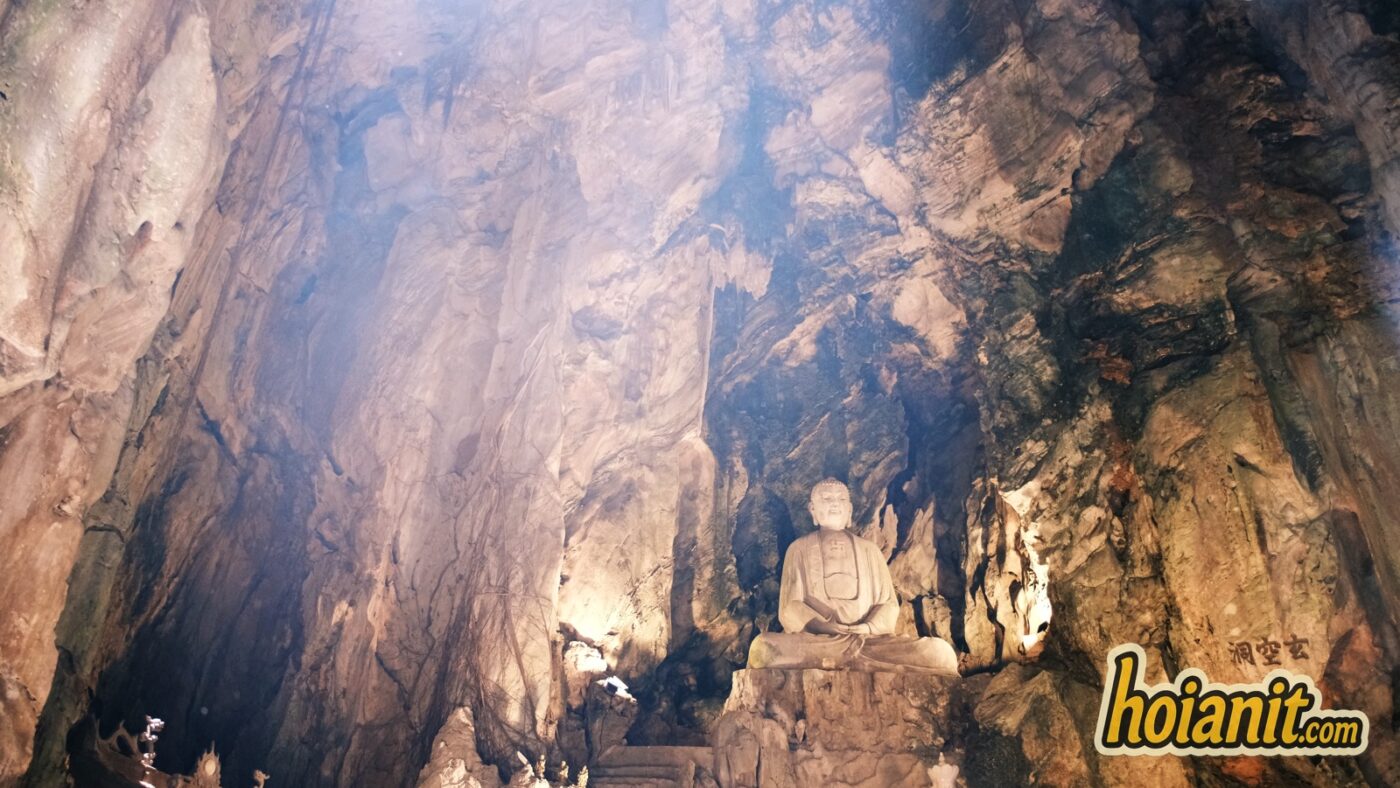
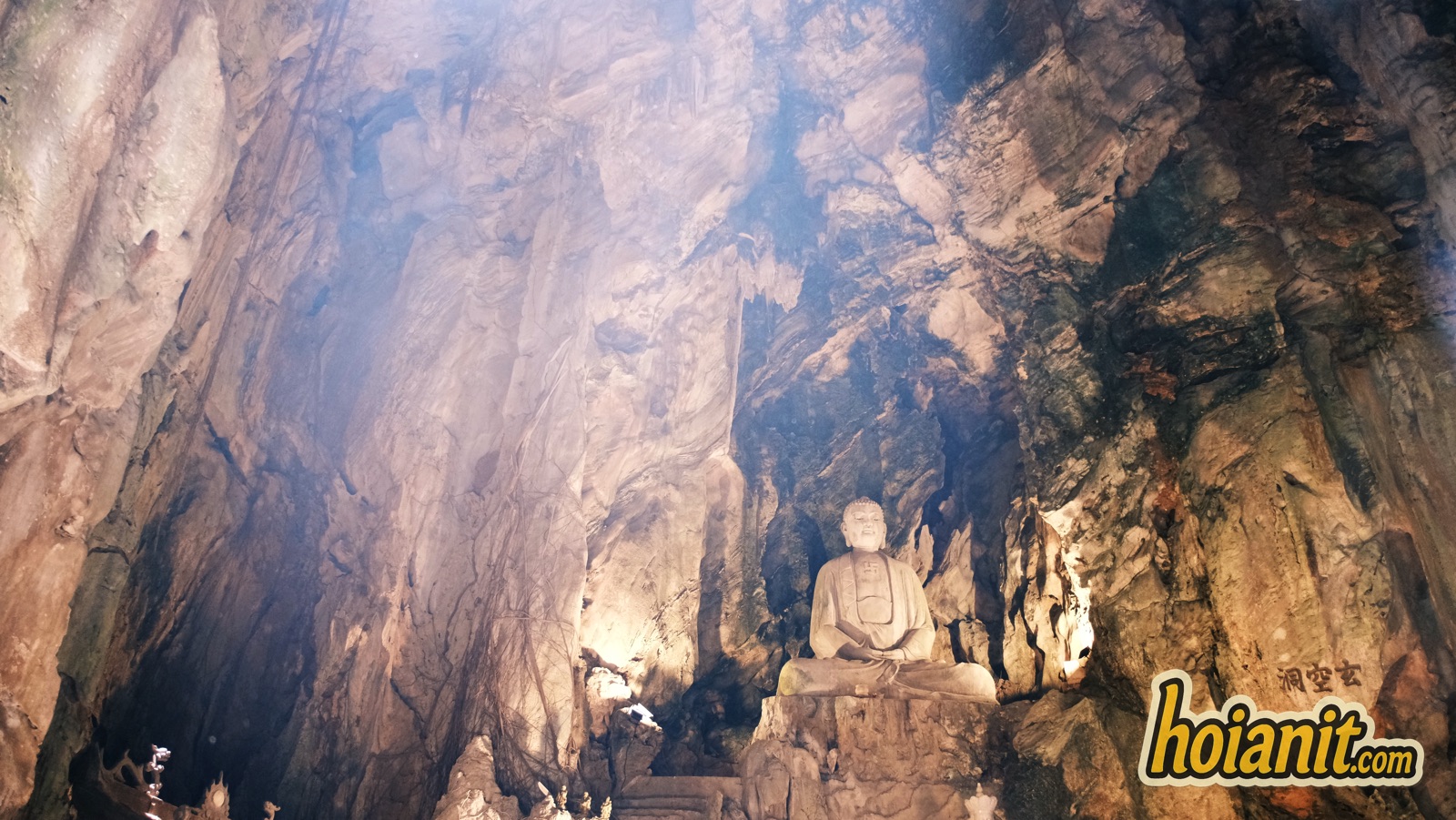
You go down about twenty steps behind Hoa Nghiêm cave, five metres into the rock, and the space opens into a chamber big enough to hold a temple — which it does. What makes it famous is the roof: there are five natural holes in the vault, open to the sky. When the sun is at the right angle, five columns of light drop through the dust and smoke and land on the floor of the cave.
09:00 to 11:00, and only on a clear day
The light shafts need the sun high enough to come through the roof holes but not so high it goes straight down. In practice that means roughly 09:00 to 11:00, with a weaker second showing in the mid-afternoon around 14:00 to 16:00. Outside those windows the chamber is simply a large dim cave and you will wonder what the fuss was about.
This is the exact opposite of the advice for most sights around here. At Mỹ Sơn you want to be there at dawn and gone by nine. At Marble Mountains, dawn gets you an empty mountain and a dark cave. If Huyền Không is what you came for, leave Hội An around 08:15, not 06:00.
- Cloud kills it. No sun, no shafts. Check the forecast the night before — this is one of the few sights worth rescheduling a day for.
- Incense smoke helps. The beams are visible because of particles in the air; a busy morning with incense burning actually makes them stronger.
- Let your eyes adjust. Stand still for a minute before deciding the cave is disappointing. Coming in from bright sun you are effectively blind for the first thirty seconds.
- Don’t use flash. It flattens exactly the effect you came for, and it’s a place of worship.
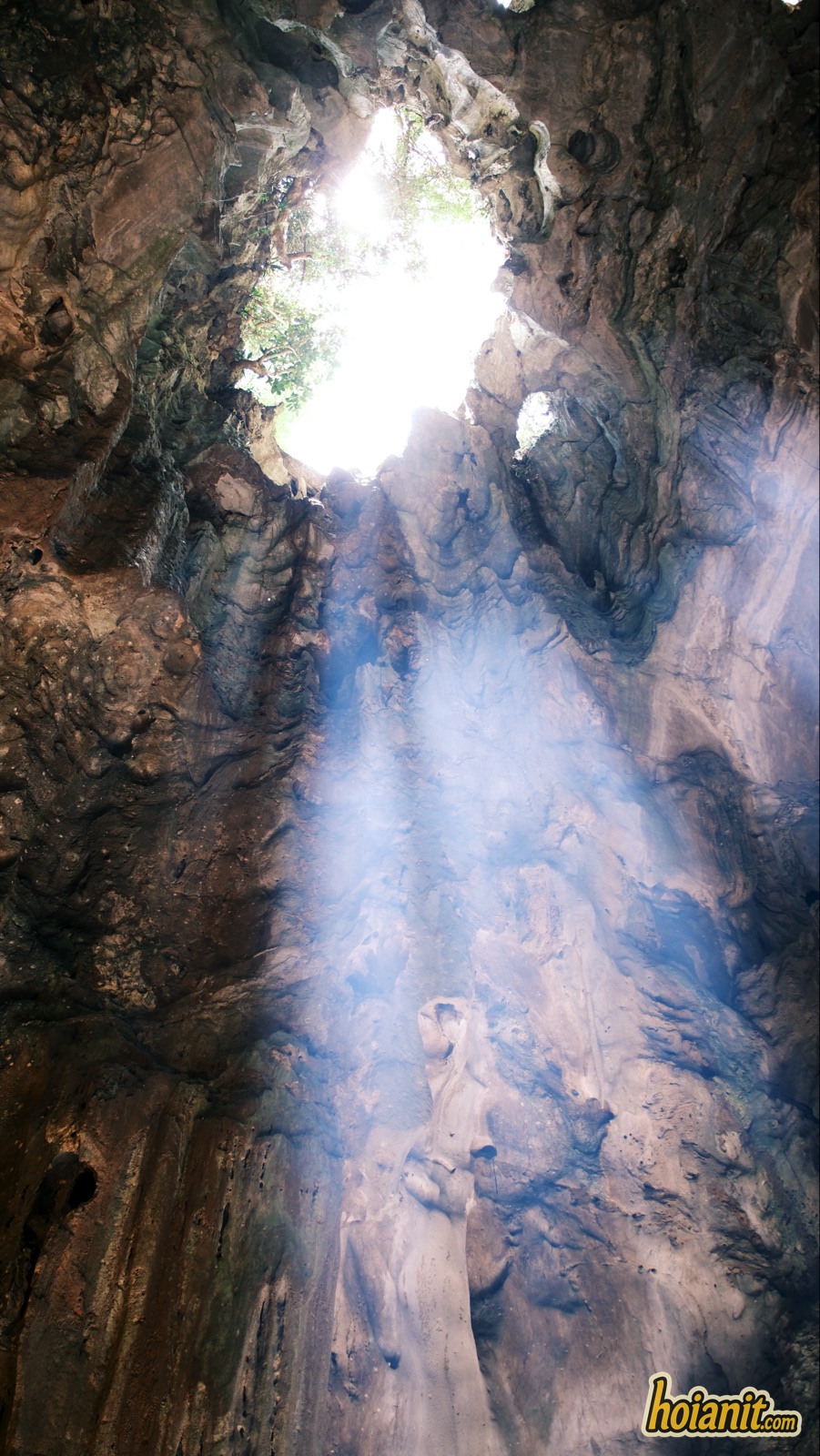
The cave has a second life that almost nobody mentions on the way through. It was a hideout for local guerrillas during the French war, was later used by troops as a garrison and training spot, and by 1968 it was serving as a field aid station for wounded fighters. People are photographing light beams in a room that was an underground casualty ward within living memory.
The 78 inscriptions nobody looks at
Walk through any of the caves on Thủy Sơn and you’ll pass panels of Chinese characters carved directly into the rock face. Almost every visitor reads them as decoration and keeps walking. They are, in fact, the single most internationally significant thing on the mountain.
Ma Nhai — 78 texts carved into the cliff
There are 78 Ma Nhai inscriptions at Ngũ Hành Sơn, cut into the cave walls and rock faces in Hán and Nôm script, spanning from the first half of the 17th century into the 20th. They were left by Nguyễn kings and mandarins, senior monks and scholars who came here — a running record, in stone, of four hundred years of who visited a sacred mountain and what they thought about it.
UNESCO’s Memory of the World committee for Asia and the Pacific inscribed them on its register, and Đà Nẵng received the certificate on 1 March 2023. There is no separate ticket, no queue, and usually nobody standing in front of them.
- Tàng Chơn and Huyền Không are where the densest concentrations are. Slow down in both.
- Look for the red-painted characters — some have been picked out in colour, which makes the older uncoloured ones easier to spot once your eye is in.
- Don’t touch the carved surfaces. Marble takes skin oil badly and these have survived four centuries without being handled.
- Hire the guide if this interests you. 50,000₫ per group at the gate is the cheapest history lesson in central Vietnam, and the inscriptions are exactly what a guide adds most to.
More Bike Options in Hoi An
E-Bike · No license

No License? No Worries!
Rent a 50cc Bike in Hoi An Today!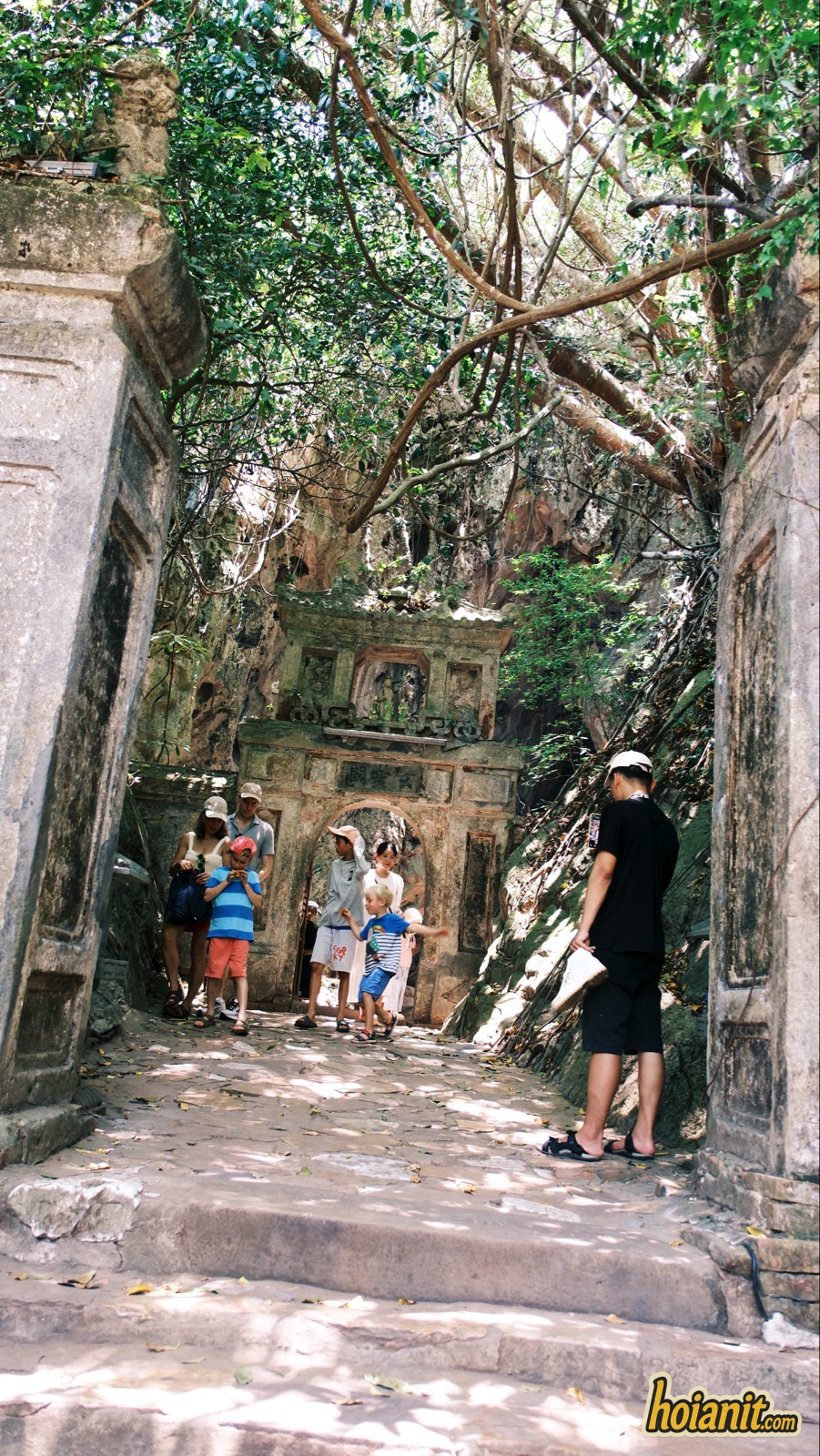
Âm Phủ — the separate ticket most people miss
Âm Phủ means Hell Cave, and it is the strangest thing at Marble Mountains. It sits at ground level, near the base, and it needs its own 20,000₫ ticket — which is why a large share of visitors never realise it exists. They buy the mountain ticket, go up, come down, and ride away.
Inside is a walk-through depiction of the Buddhist underworld: a bridge over a chasm, judgement scenes, and statues of the punishments waiting for various categories of wrongdoing, lit in red. It is theatrical, a bit lurid, and genuinely memorable — closer to a temple’s moral instruction than to a museum.
There’s a climb inside, and most people don’t find it. Beyond the main hell chamber a narrow set of steps leads upward through the rock — the “path to heaven,” in the cave’s own logic. It’s a real scramble in places, tight and dark, and it comes out at a small opening with a view. If you’re mobile and not claustrophobic it’s the best twenty minutes at the whole site. If you’re not, the main chamber alone is worth the ticket.
- Bring a phone torch. Sections are genuinely dark and the floor is uneven.
- Not for small children who scare easily — some of the depictions are graphic by design.
- Do it after Thủy Sơn, not before. It’s at the bottom, and you’ll have come down the stairs anyway.
- Fifteen to thirty minutes for the main circuit, plus twenty if you do the climb.
Non Nước stone village, and where the marble really comes from
The road at the foot of the mountains is lined with hundreds of workshops selling carved stone — Buddhas the size of a person, lions, Quan Âm figures, garden lanterns. This is Non Nước, and it is not a tourist invention. The trade was brought here from Thanh Hóa in the north by a carver named Huỳnh Bá Quát, some time between the 17th and early 18th centuries, and it has run continuously ever since. In 2014 Vietnam’s Ministry of Culture recognised it as national intangible cultural heritage.
The marble is not from the mountain, and hasn’t been since 1990. For three centuries the carvers quarried straight out of Ngũ Hành Sơn — which is precisely the problem: the village was slowly eating the thing that made it famous. In 1990 the provincial authorities banned quarrying at the mountains outright. Everything you see being carved today is stone trucked in from other provinces, much of it from Thanh Hóa — the same province the trade itself came from three hundred years ago. If a shop tells you a piece is carved from Marble Mountain stone, it is a sales line, not a fact.
- Prices are negotiable and start high for foreign visitors. Walk two shops down and ask again before agreeing to anything.
- Shipping is the real cost. Stone is heavy; a small piece that seems cheap can cost several times its price to send home. Get the shipping quote in writing before you buy.
- Small pieces are the sensible buy — a palm-sized carving, a stone seal, a bracelet. The metre-high Buddha is not going in your luggage.
- Watch the carvers work rather than only shopping. The workshops at the back, away from the road, are where the actual craft happens.
- Cover your mouth near active grinding. Stone dust is not something to stand in for a photograph.
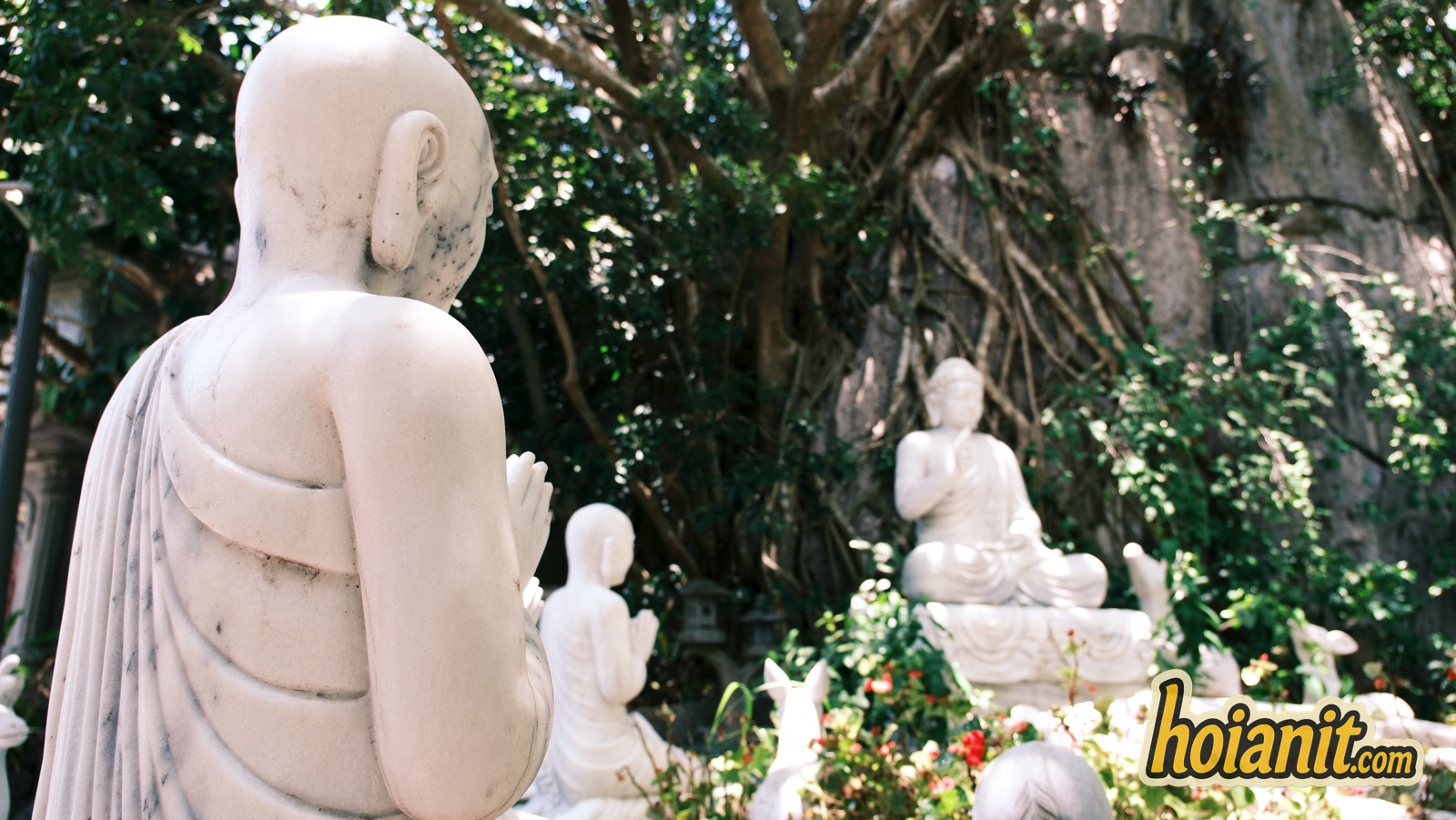
The four mountains nobody climbs
Your 40,000₫ buys Thủy Sơn and only Thủy Sơn. The other four peaks are free to walk in — and on a normal day you can have them almost entirely to yourself, a few hundred metres from a mountain with a queue for the lift.
Kim Sơn and the Quan Âm cave
At the foot of Kim Sơn, the metal mountain, sits Quán Thế Âm pagoda and behind it a cave roughly 50 metres long and 10 wide. Inside, a stalactite formation has grown into a shape that reads unmistakably as Quan Âm holding her vase — with a dragon and an elephant alongside, all of it natural. It is the reason the pagoda is there at all.
Entry is free. There is no ticket window, no lift, usually no queue. Once a year, on the 17th, 18th and 19th days of the second lunar month, the Quán Thế Âm festival fills the whole area — Đà Nẵng’s biggest Buddhist festival, and the one time this quiet corner is anything but quiet.
- Thổ Sơn is low, wide and has old Cham traces on it; local paths run over the top and there’s rarely anyone up there.
- Hỏa Sơn is really two peaks with scattered shrines — pleasant to wander, not spectacular.
- Mộc Sơn is the smallest and has nothing open to visitors. Skip it.
- Dress respectfully — these are working places of worship, not a park. Covered shoulders and knees.
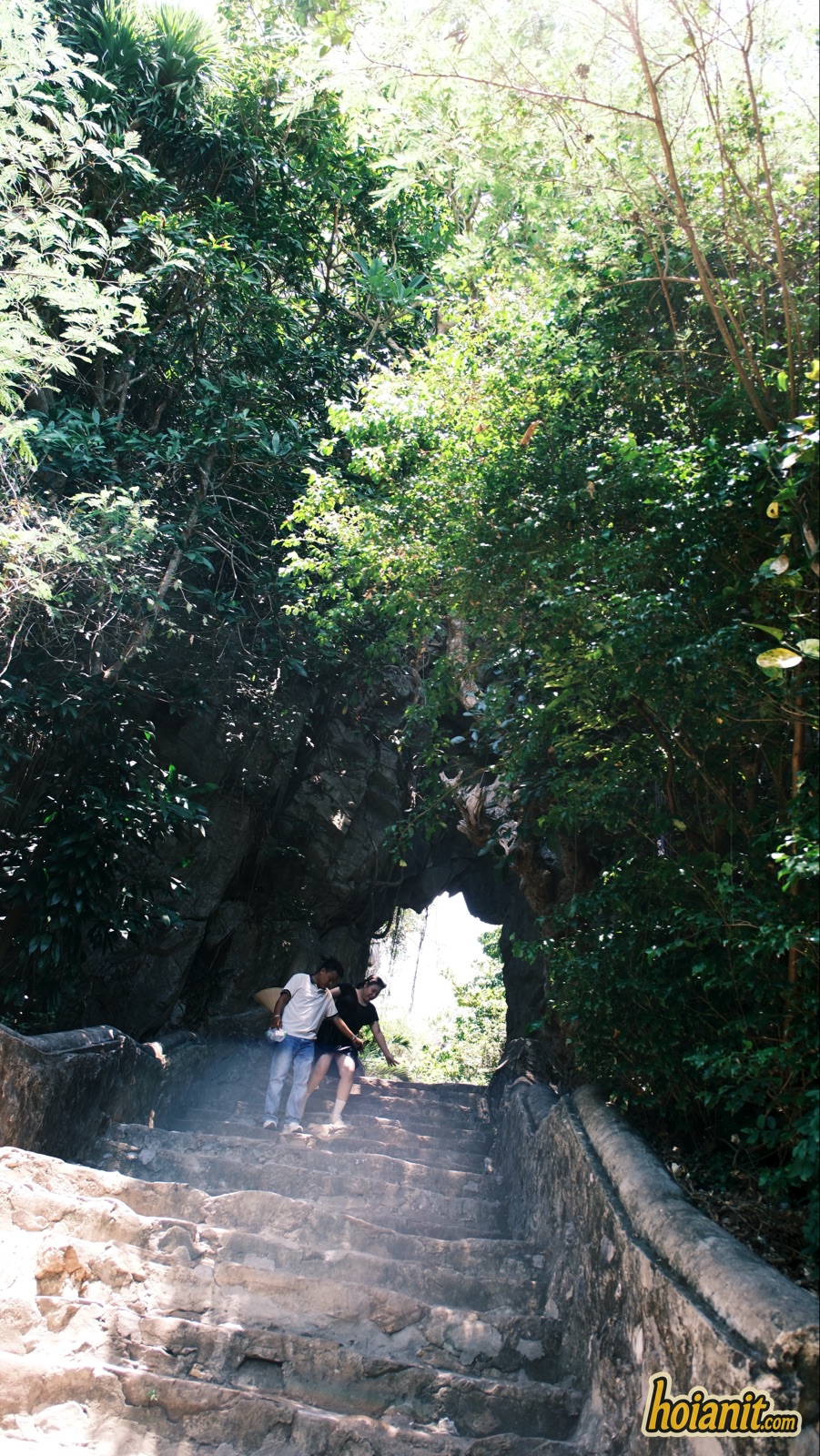
Practical notes for riders
| Question | Answer |
|---|---|
| How long do I need? | 2–3 hours for Thủy Sơn plus Âm Phủ. Half a day with the stone village and Kim Sơn |
| Best time of day | Arrive 09:00 for the light shafts; or 15:30 for cool air and sea views |
| Best time of year | February to May. October–December is wet and the steps get slick |
| Shade | Good on top — trees and caves. The steps are the hot part |
| Food | Simple places at the base; better to eat at Mỹ Khê afterwards |
| Toilets | At both gates and near Linh Ứng on top |
- Shoes with grip, not flip-flops. Worth repeating — the marble steps are polished smooth.
- Water and a hat. Two litres between two people is about right for a half day.
- Cash in small notes for the two tickets, the lift and parking.
- Any bike does this route — 40 km round trip on flat road, so 50cc or electric both work. If you don’t hold a licence Vietnam recognises, read our guide to IDPs in Vietnam first.
- Coming back at dusk? The coast road is well lit as far as Hội An’s edge but the last few kilometres aren’t. Check your headlight before you leave — our notes on riding safely around Hội An cover the rest.
- Making it a longer trip? Marble Mountains pairs naturally with Mỹ Sơn over two days — see our 2-day Hội An – Mỹ Sơn – Marble Mountains route.
- Reading in Vietnamese? We have a fuller Vietnamese version at Ngũ Hành Sơn Đà Nẵng: giá vé, kinh nghiệm, lịch trình.
What a day at the Marble Mountains from Hoi An actually costs
Nobody publishes this, so here it is: what a day at the Marble Mountains from Hoi An really costs — a full accounting for two people riding out from Hội An, seeing everything worth seeing, and getting back. Figures are August 2026 and everything on the mountain is cash only.
| Item | Cost | Note |
|---|---|---|
| Motorbike rental, automatic, 1 day | from 120.000₫ | one bike carries two |
| Petrol, ~40 km return | ~20.000₫ | about one litre |
| Parking at the gate | 5.000–10.000₫ | per bike, pay on the way out |
| Thủy Sơn entrance | 40.000₫ each | 10.000₫ with a student card |
| Lift, one way up | 15.000₫ each | 30.000₫ return — you rarely need the return |
| Âm Phủ cave | 20.000₫ each | separate ticket, ground level |
| Water and a coconut | ~20.000₫ each | buy at the bottom, it is double at the top |
| Total for two, before lunchone bike, both tickets, lift up | ~340.000₫ | about $13 for the pair |
Add 120.000–200.000₫ for a decent lunch for two at Non Nước or back in Hội An and the whole day lands under 550.000₫, roughly $21, for two people. That is the cheapest way to do it and also the most flexible.
Riding, car or tour — the honest comparison
| How you go | Cost for two | Trade-off |
|---|---|---|
| Rented motorbike | ~340.000₫ all in | Cheapest and most flexible. You stop where you like, you leave when you like, you swim at Mỹ Khê afterwards. You also have to ride 20 km each way in the heat |
| Grab or taxi, return | Car roughly 250.000–350.000₫ each wayestimate, fluctuates by hour and demand | No riding. The catch is the return leg: coverage at the mountain is fine but you may wait, and the driver will not hold the car for you unless you pay for the waiting time |
| Private car with driver | Ask — the driver waits | The right answer in heavy rain, with small children, or if anyone in the group cannot manage steps in the heat. See our private car and transfer page |
| Half-day guided tour | 550.000₫ per adult1.100.000₫ for two | Includes return transfer, Thủy Sơn and Âm Phủ entrance, an English-speaking guide, lunch and water. The lift is not included. Worth it if you want the history explained properly — see the tour details and itinerary |
Buying the return lift ticket. Going up saves you 150 steps in the heat and is worth every đồng; coming down, the stairs pass Linh Ứng pagoda and the best of the carved stelae, and take ten easy minutes. Buy one way and walk down. Second: skipping Âm Phủ to save 20.000₫, then reading about it afterwards. It is the single most memorable twenty thousand đồng on the mountain.
Eight kilometres north of the mountains, at the foot of the Dragon Bridge, the Cham Museum holds twelve national treasures carved from sandstone like this — an easy pairing with the caves on the same ride, and the best wet-weather hour in Da Nang.
Where the photographs are
Every picture of the Marble Mountains from Hoi An on this page was taken by us on the mountain, not bought from a stock library, and a few of them only exist because of timing rather than skill. If you care about coming back with something better than a phone snap of a queue, these are the five that reward planning.
- The light shafts in Huyền Không, 09:00–11:00: the only genuinely difficult shot here, and the only one with a deadline. Stand back near the entrance rather than under the beams, expose for the bright patch on the floor and let the rest go dark. In the wet months the beams are weak or absent — this is a dry-season photograph.
- The seated Buddha, same cave, slightly later: once the beams have moved off the floor the whole chamber fills with soft bounced light, which is much kinder to phone cameras than the beams themselves.
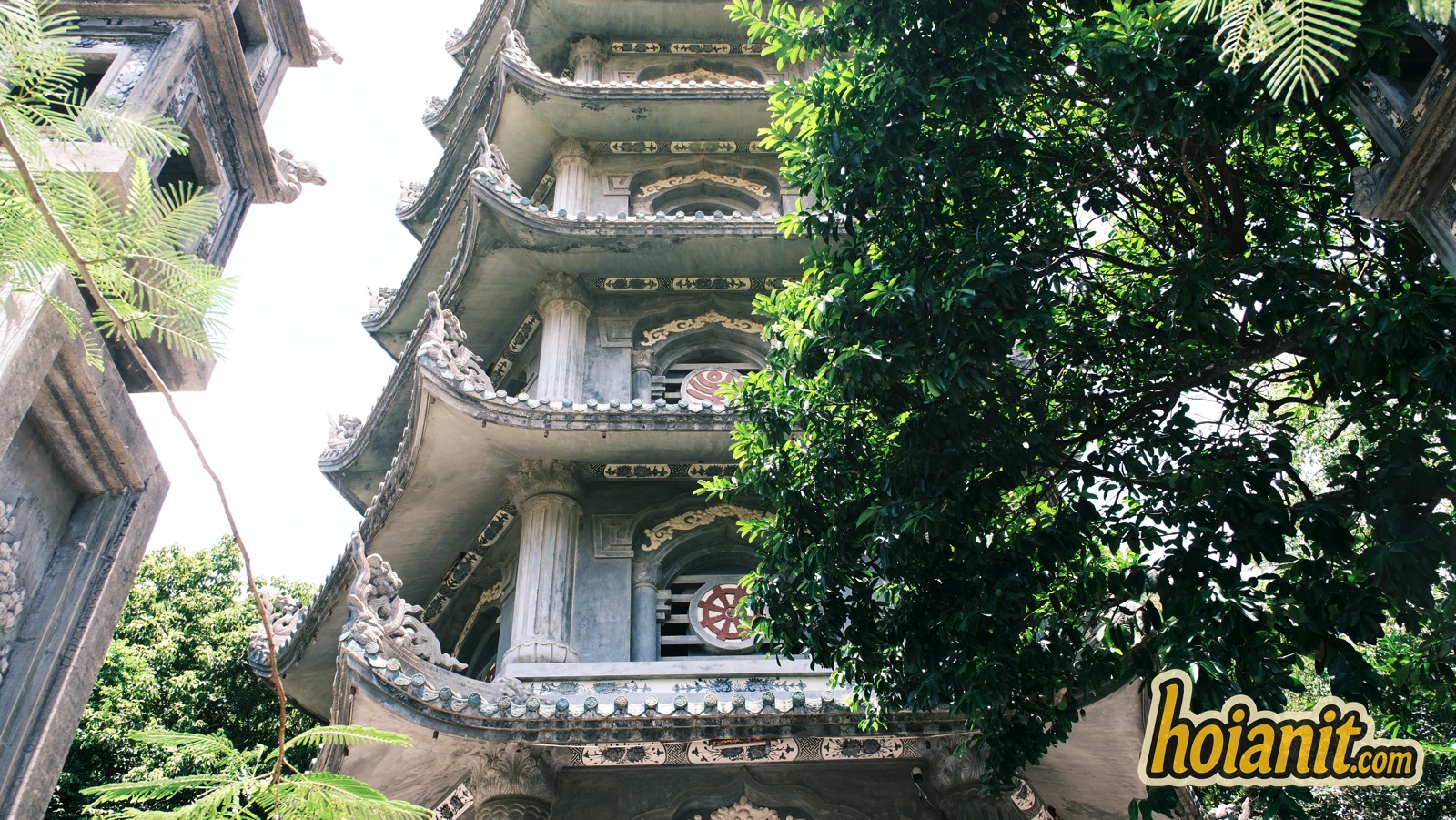
- Xá Lợi tower from the road below: stand on the far pavement by the carving workshops and shoot up through the trees. It is the shot that shows how abruptly these hills come out of flat sand.
- The rooftops from Vọng Hải Đài: best in the last hour before closing, when the light comes across the town instead of straight down onto it.
- The stelae, any time: shade all day, no crowd, and the carving reads far better in flat light than in sun.
No flash at the altars. These are working shrines with people praying at them, not a set. And brace against the rock rather than raising the ISO — the chambers are darker than they look and a hand on cold stone buys you two stops.
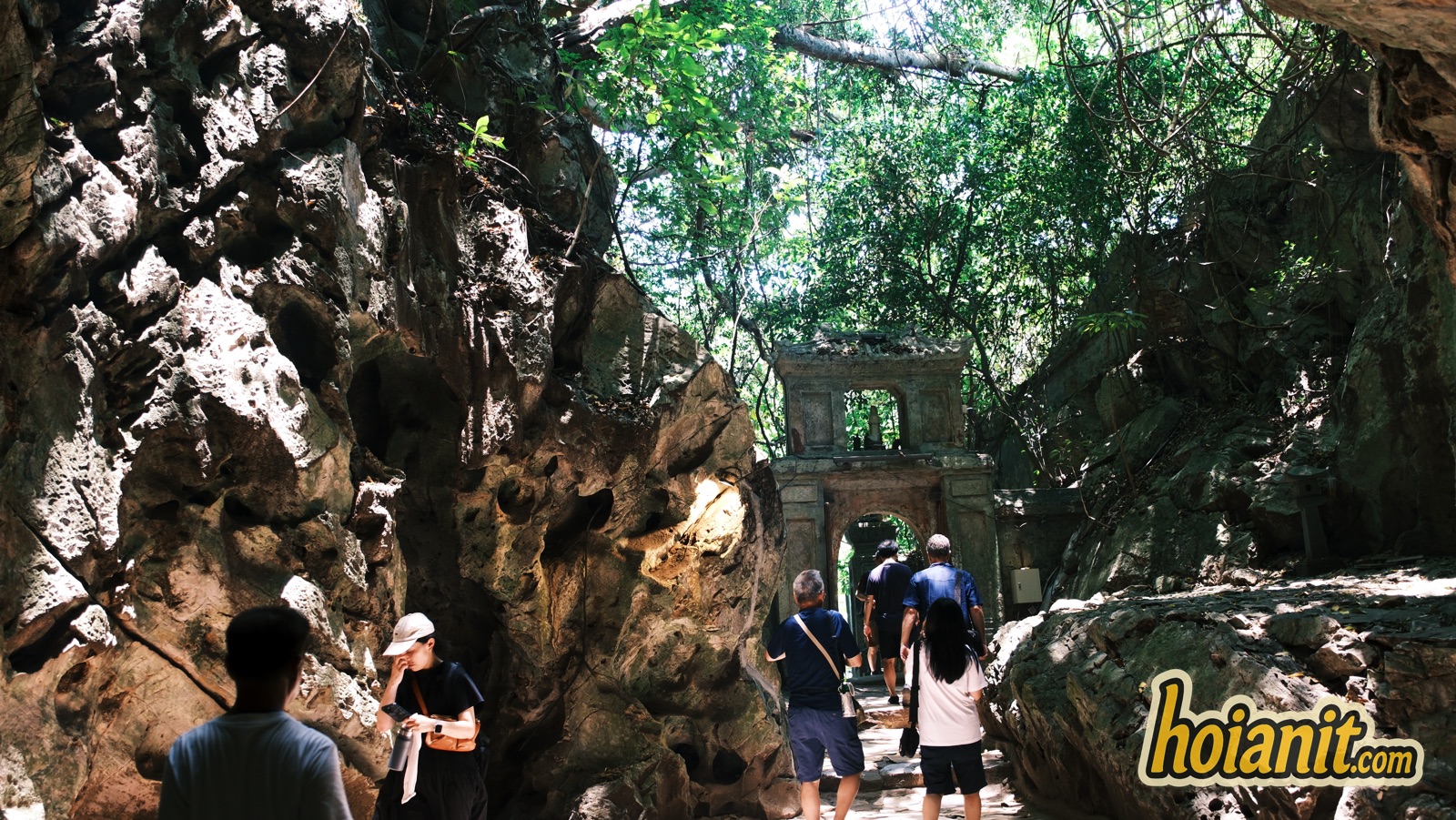
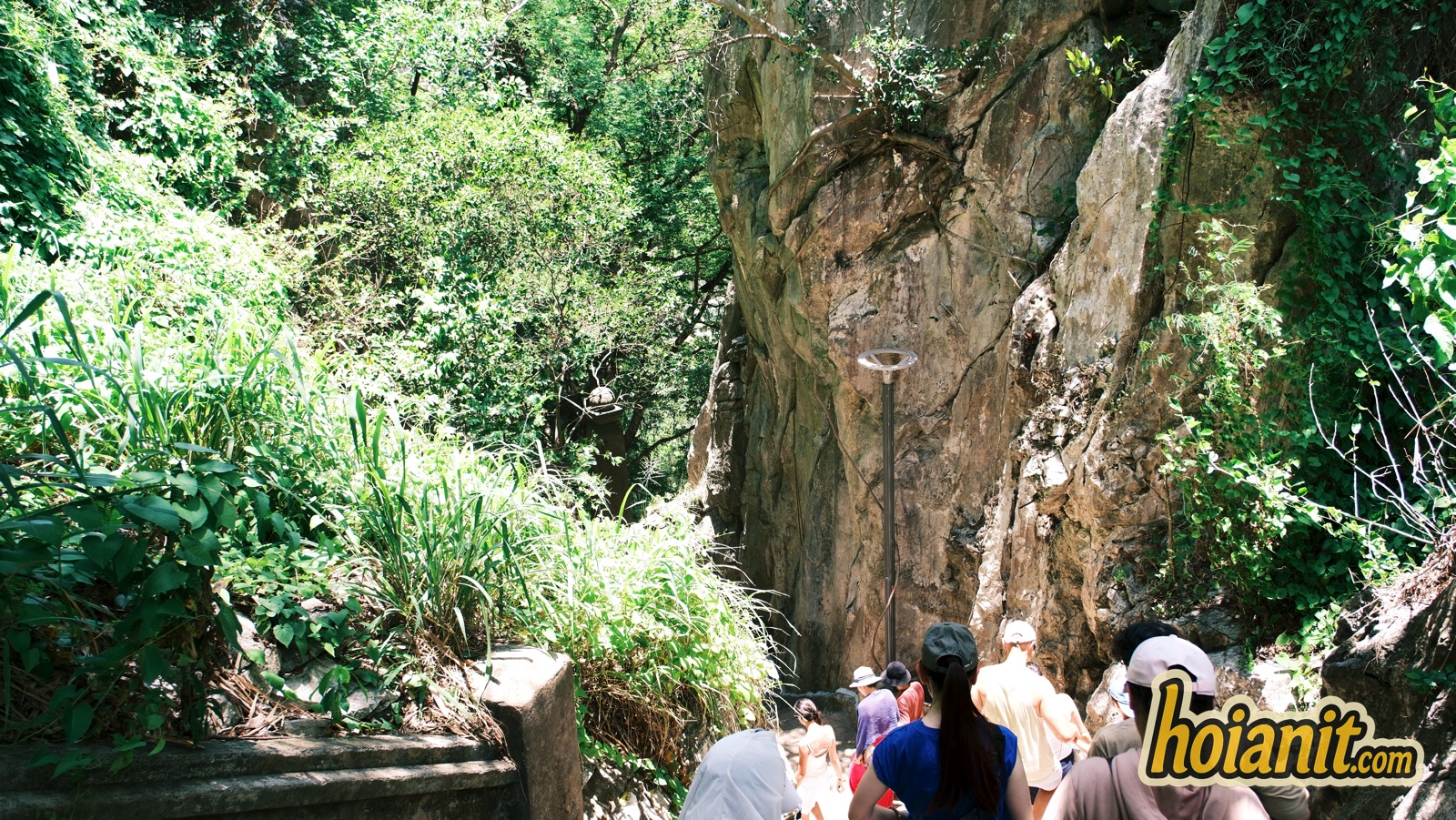
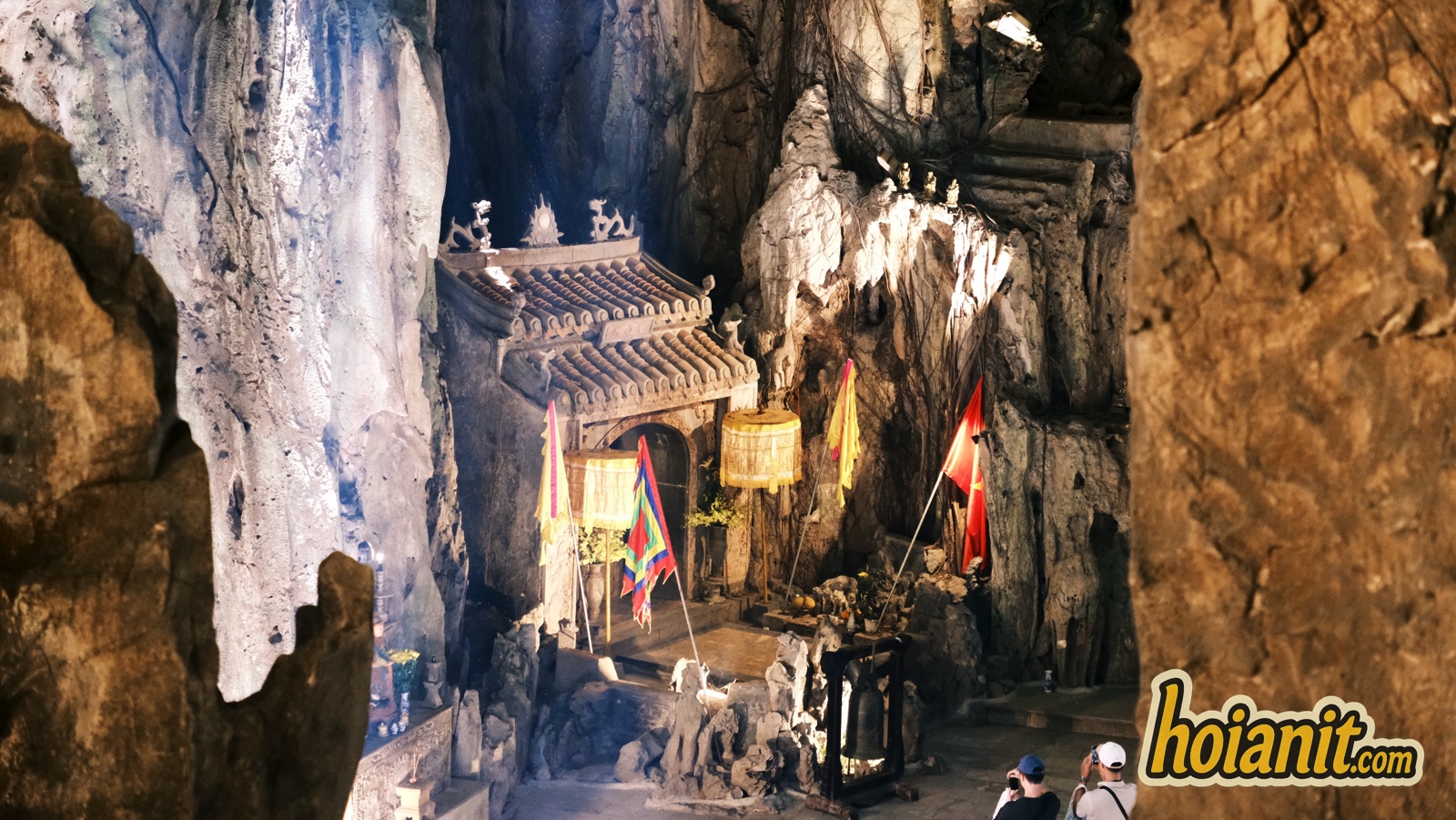
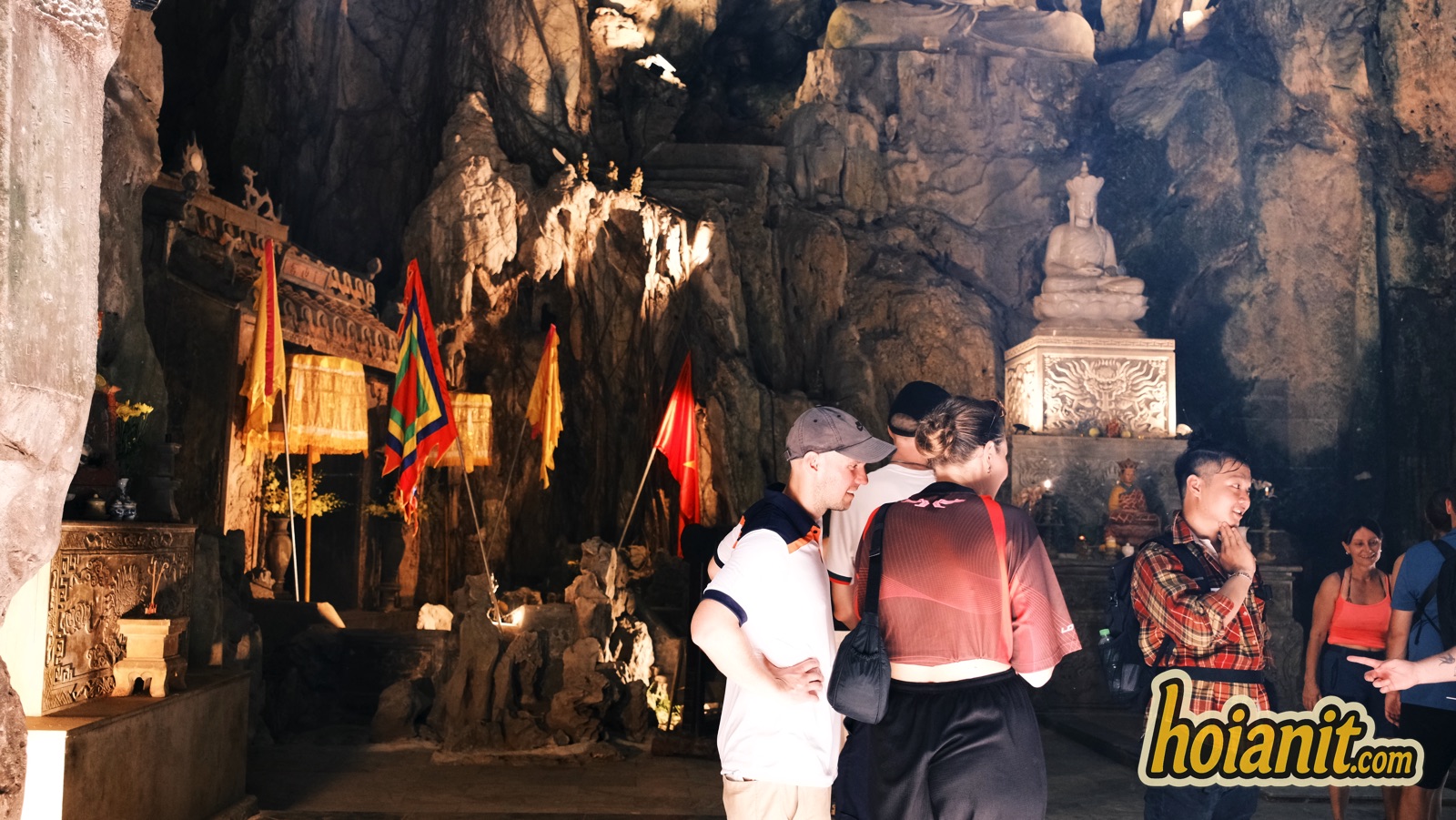
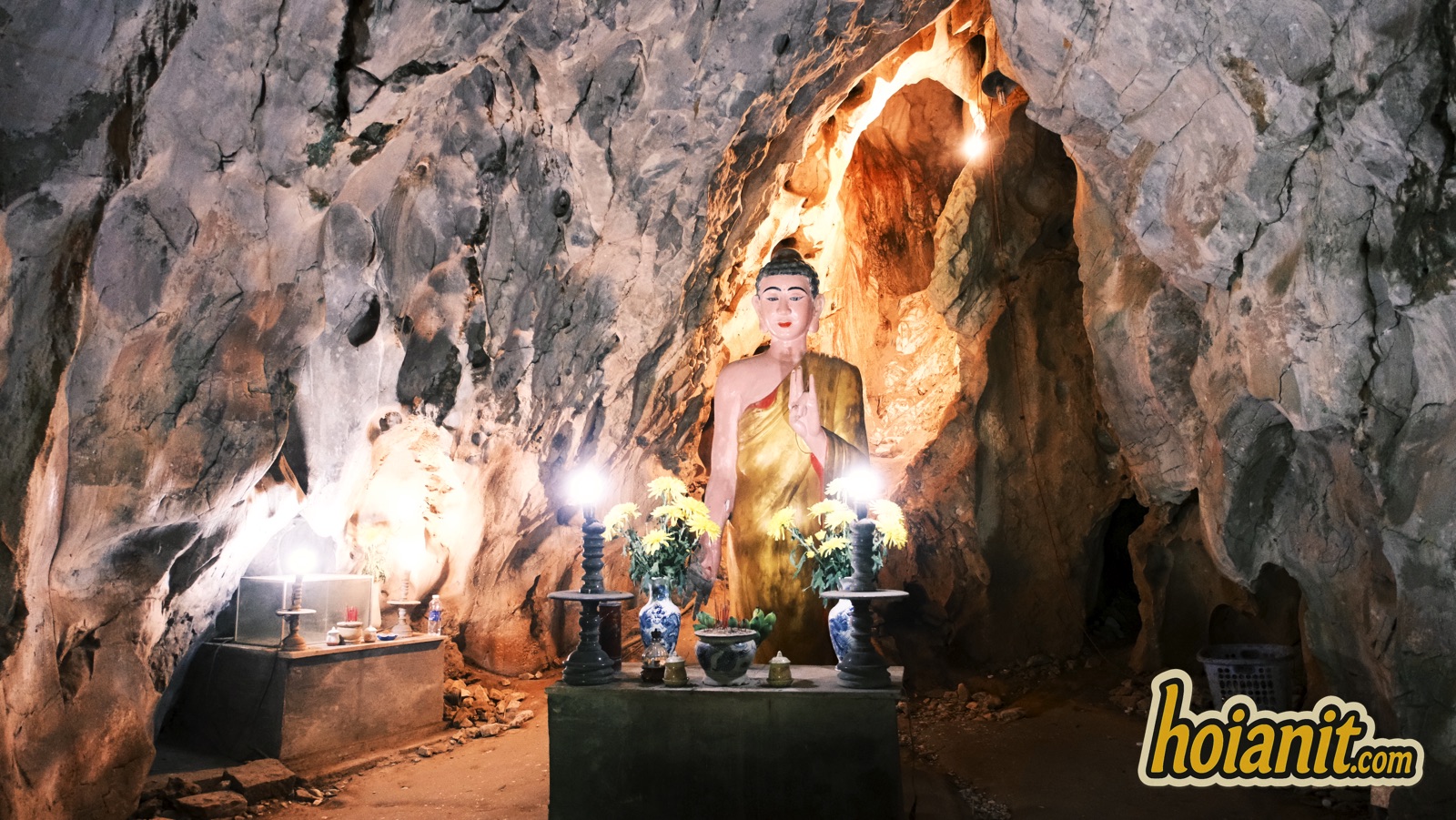
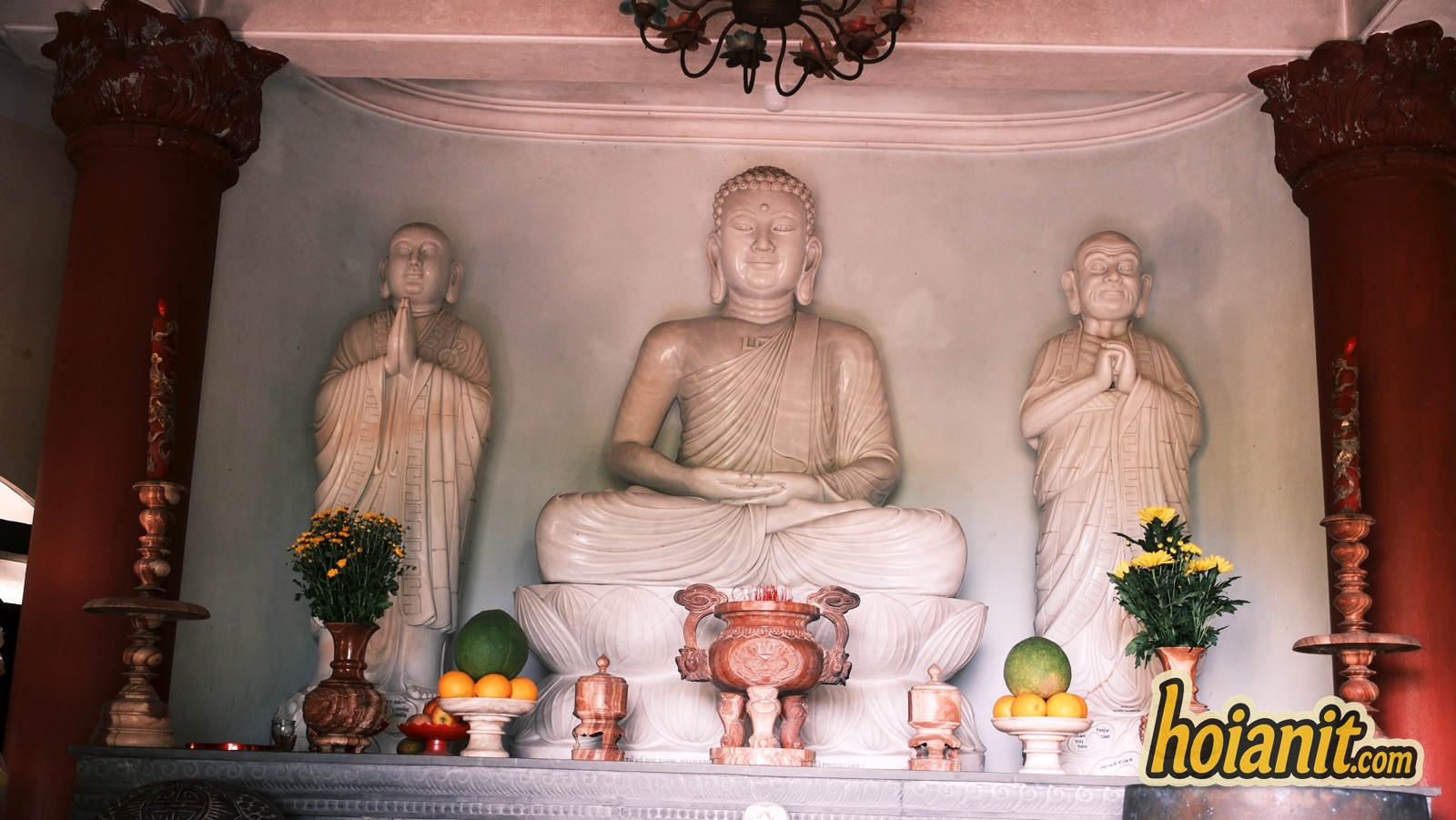
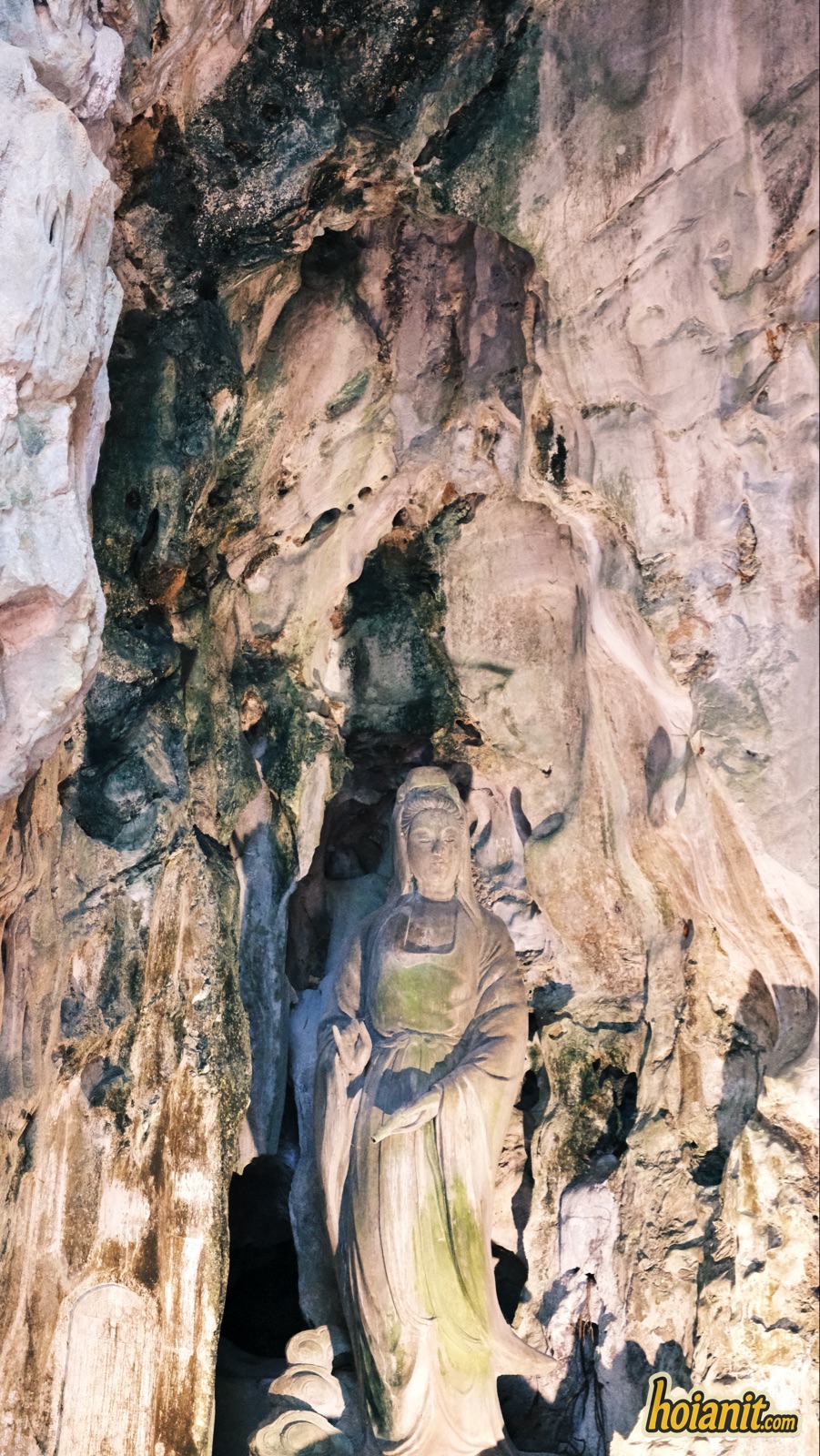
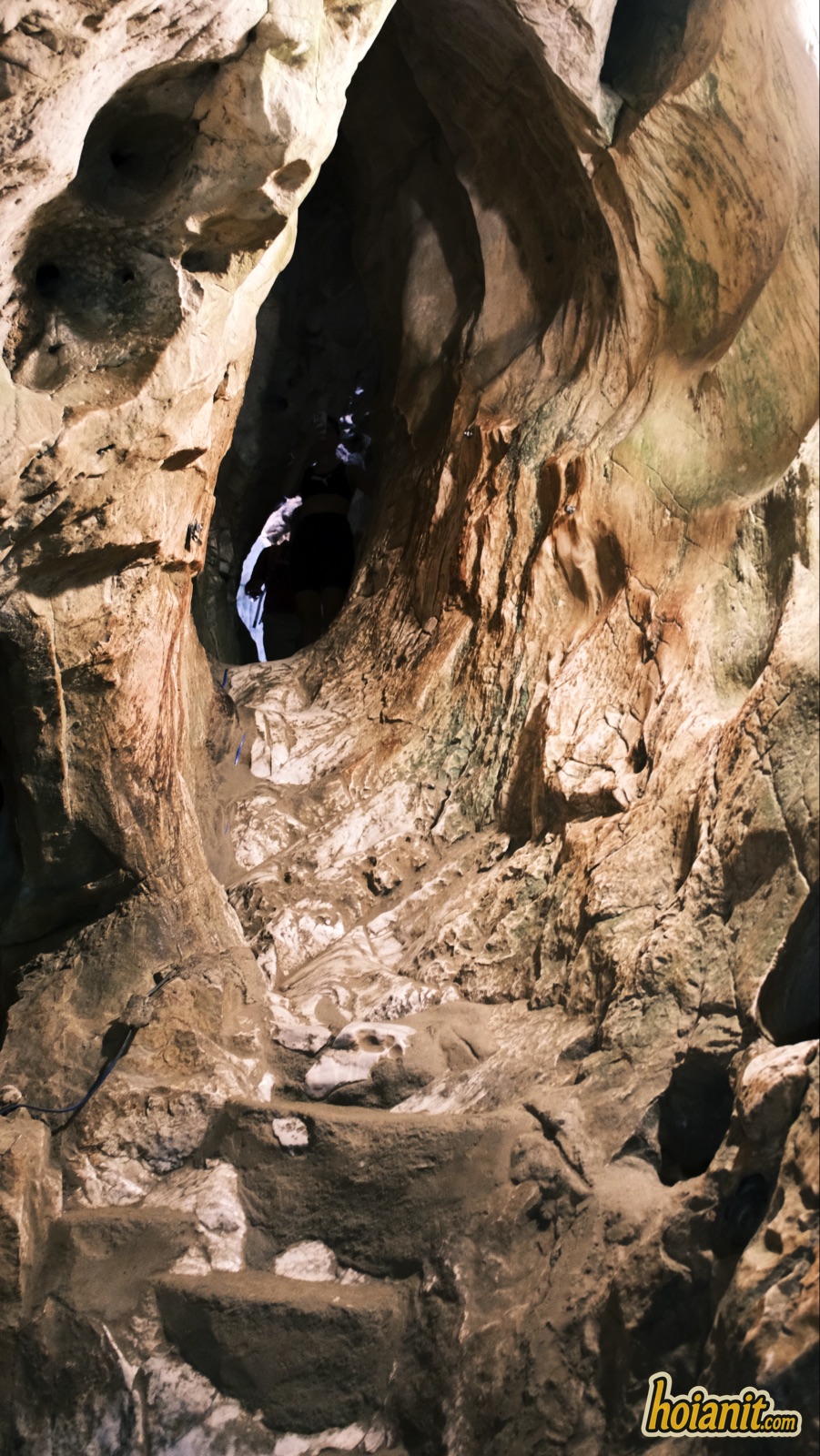
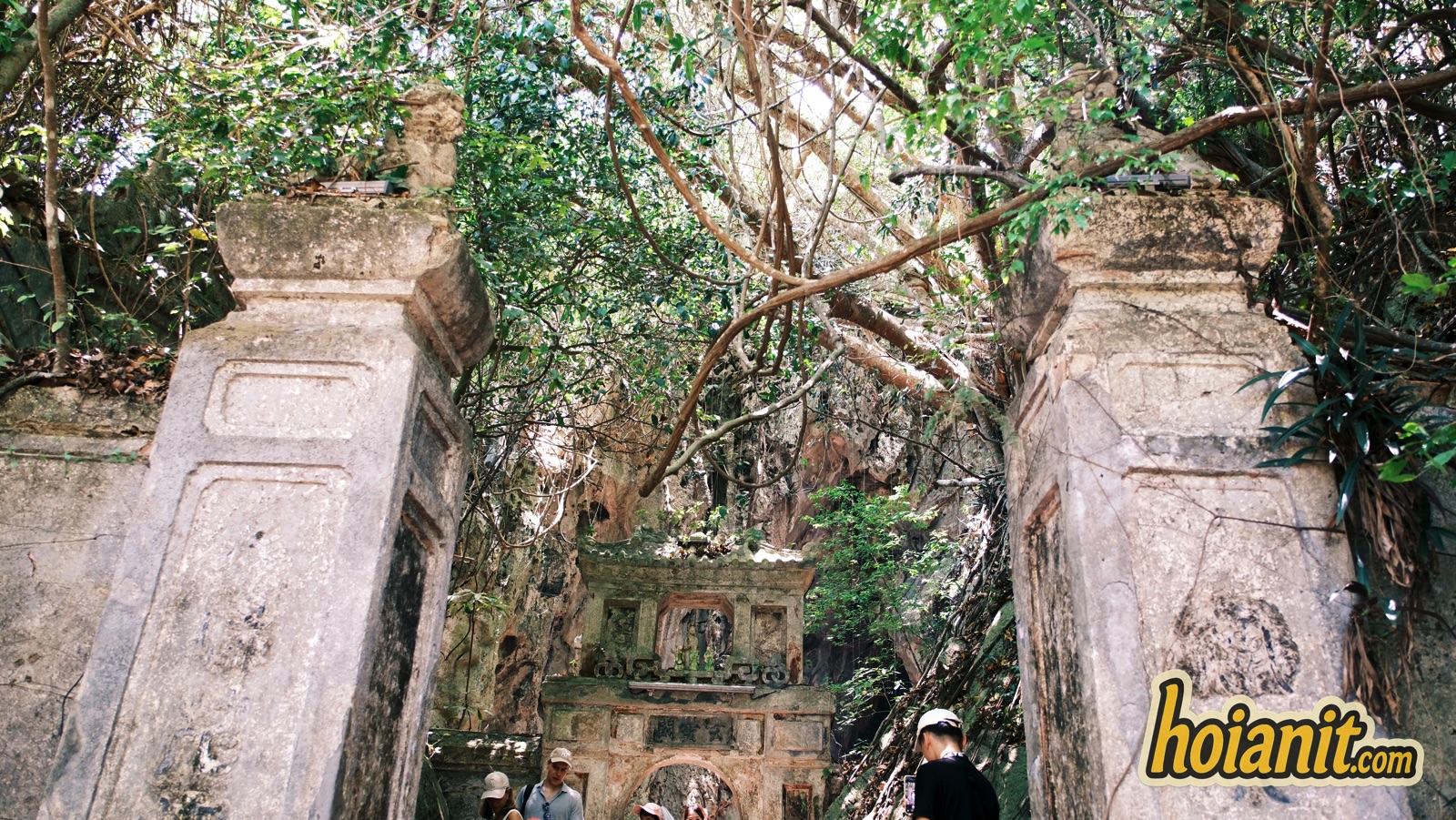
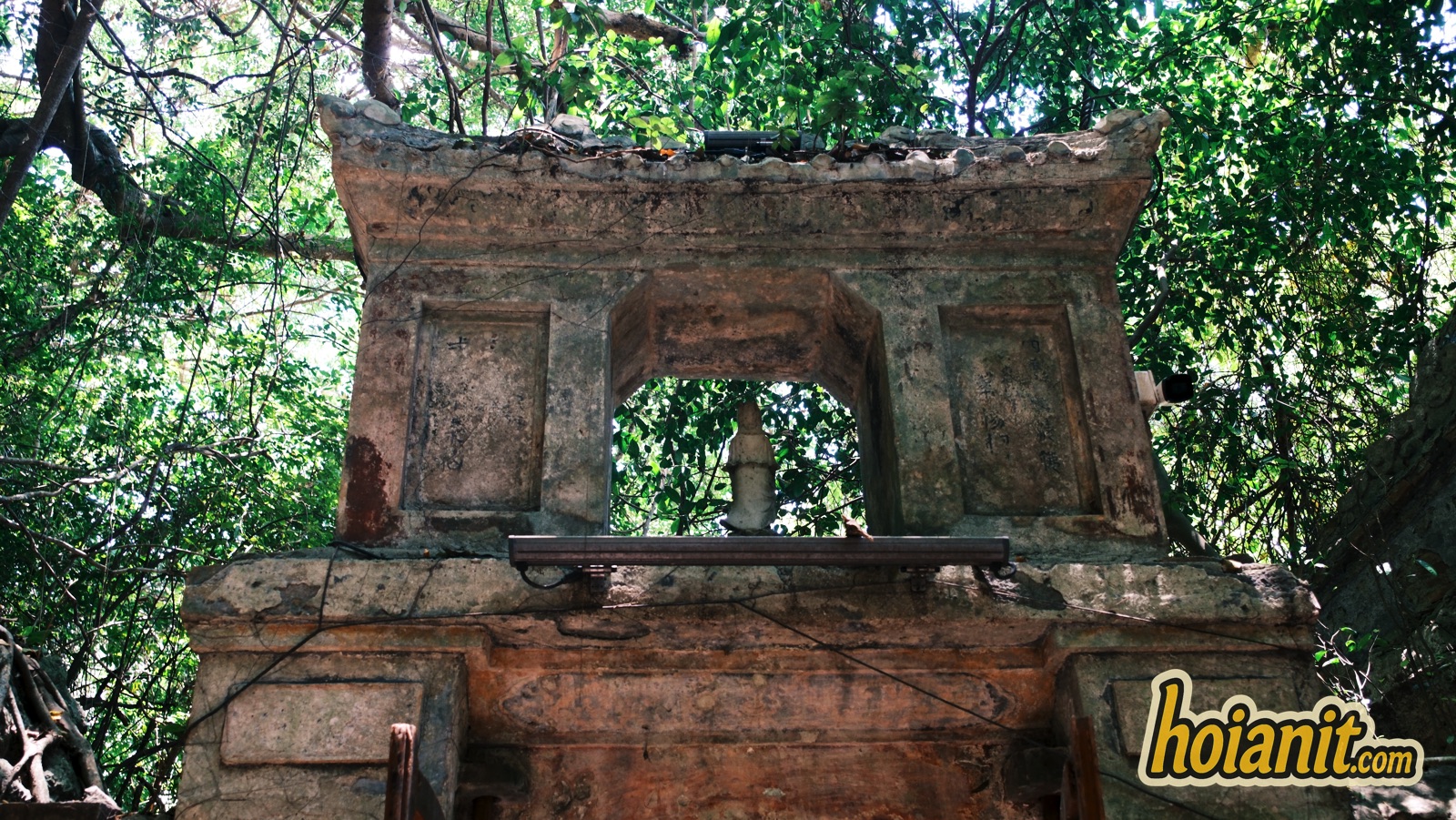
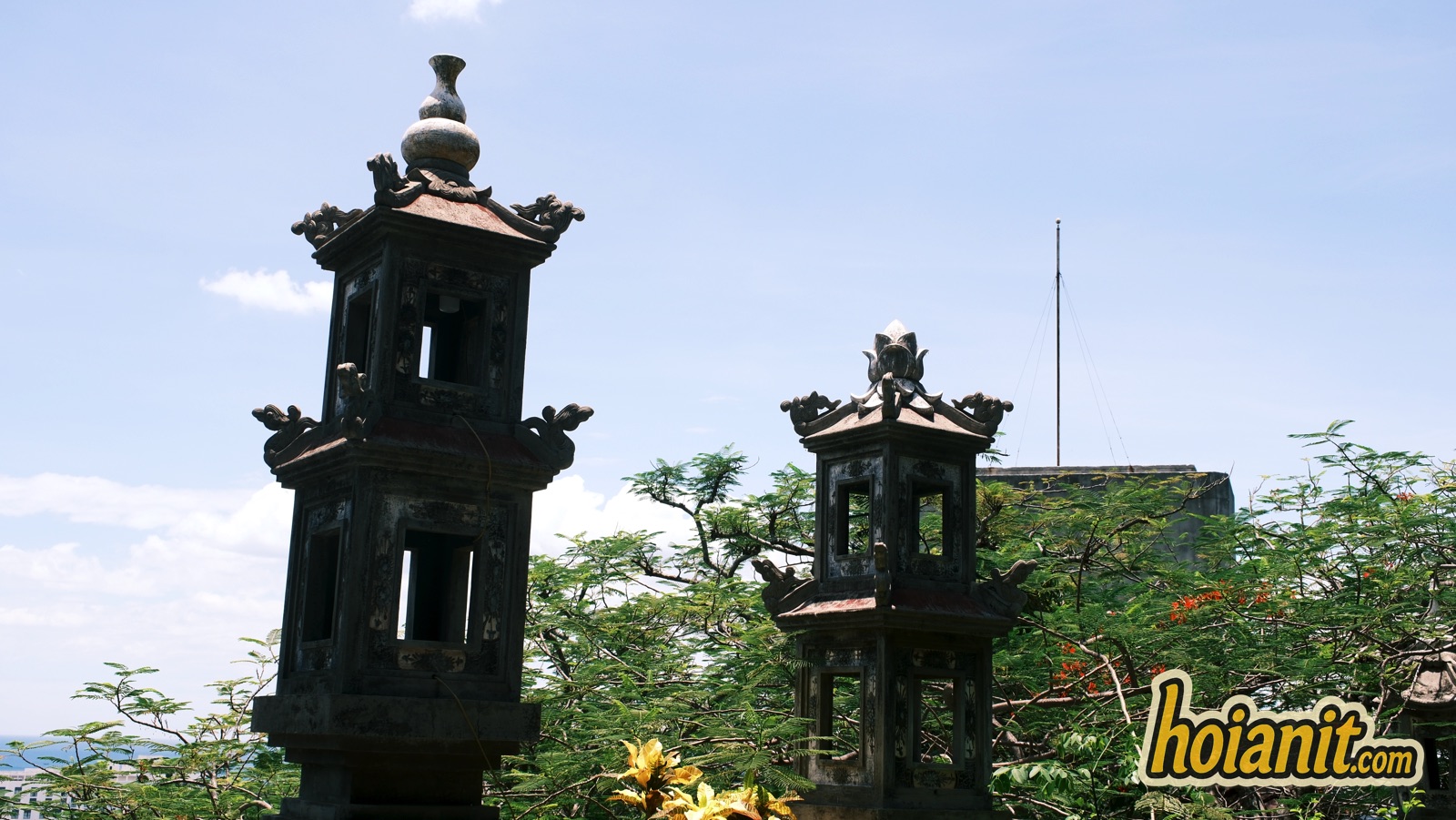
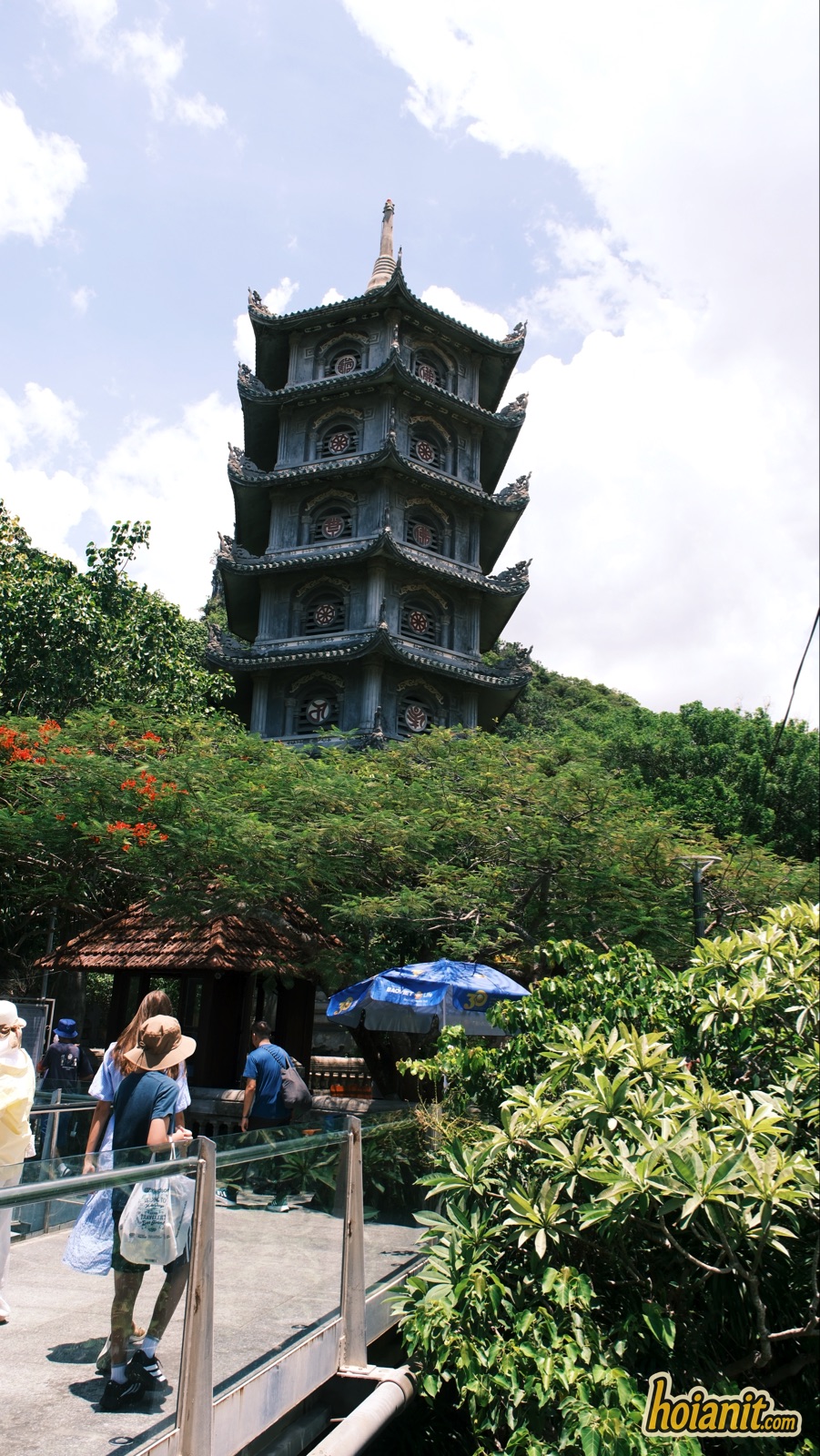
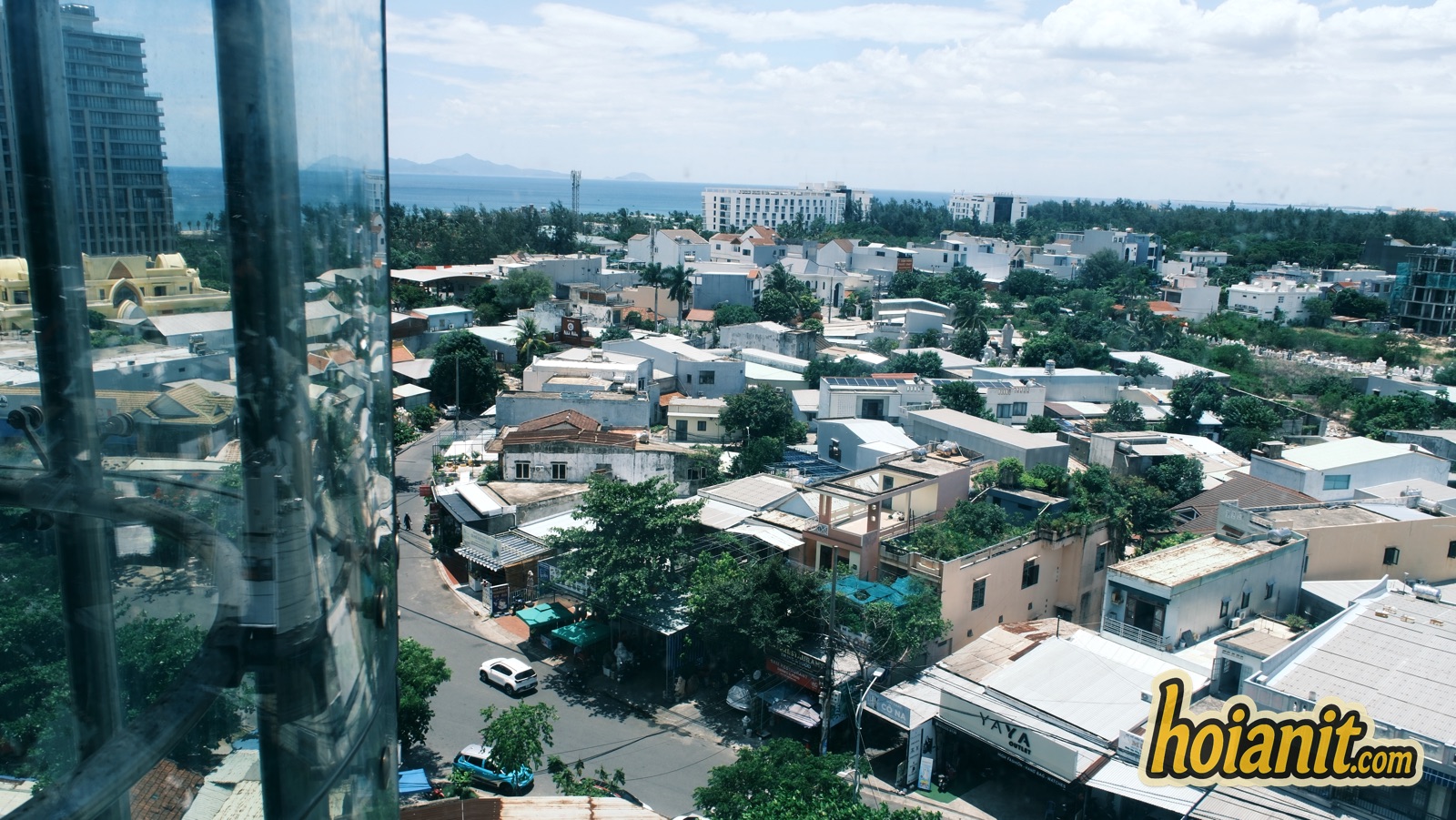

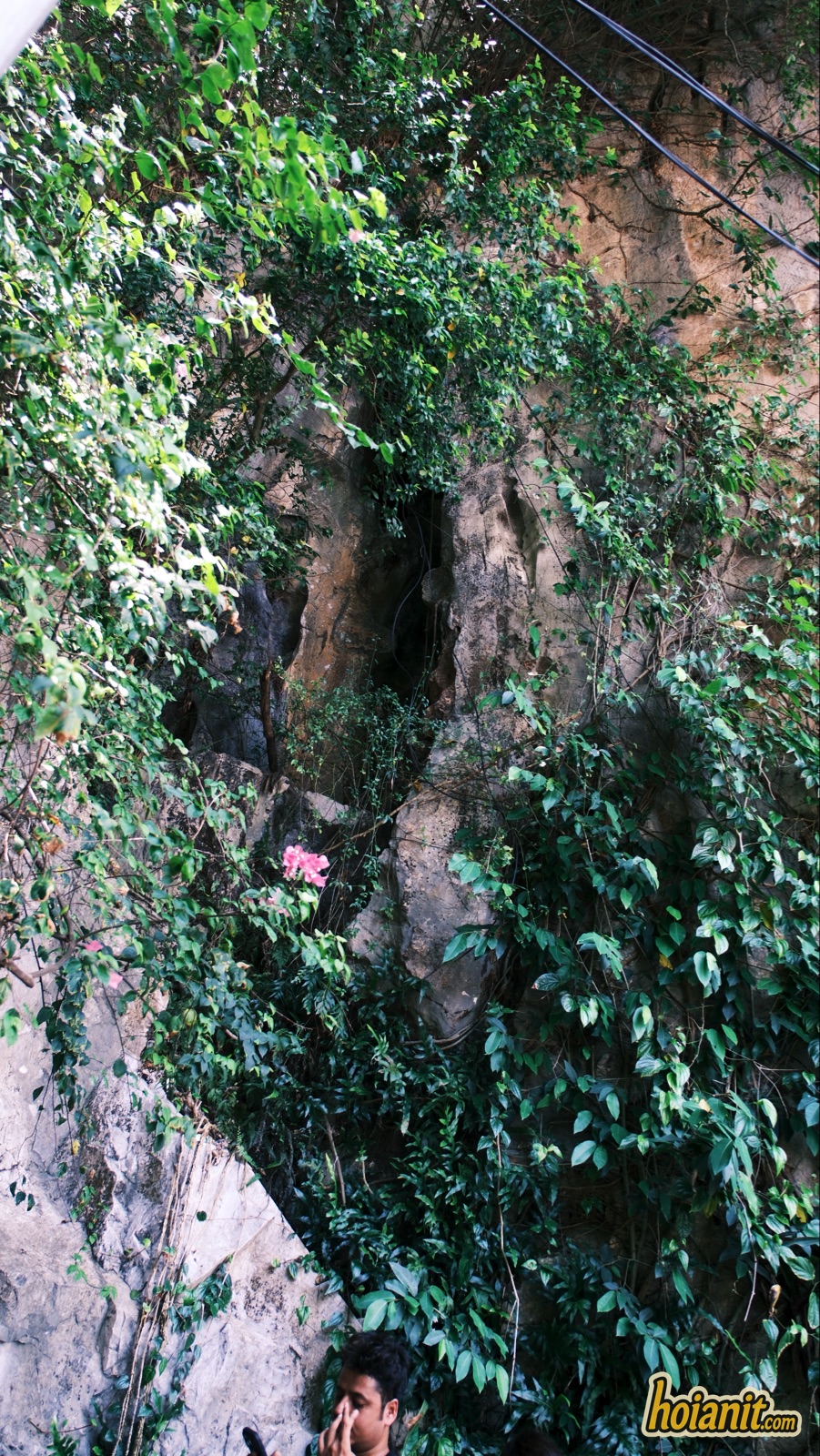
All photographs on this page: Anh Khoa Hội An, taken on the mountain in 2026.
Frequently asked questions
How far is Marble Mountains from Hoi An by motorbike?
Marble Mountains is about 20 km north of Hội An Old Town and takes 30 to 35 minutes by scooter. The best route is out to An Bàng beach, then left onto the coast road — Lạc Long Quân, becoming Võ Nguyên Giáp — and straight on for around 15 km with the sea on your right. The road is flat and paved the whole way.
How much does it cost to visit the Marble Mountains in 2026?
Thủy Sơn, the main mountain, costs 40,000₫ for adults and 10,000₫ for students, with under-6s free. Âm Phủ (Hell Cave) is a separate ticket at 20,000₫ for adults and 7,000₫ for students. The glass lift up Thủy Sơn is 15,000₫ one way or 30,000₫ return, and a guide is 50,000₫ per group. The other four mountains are free to enter.
What are the Marble Mountains opening hours?
The site is open daily from 07:00 to 17:00. Allow two to three hours for Thủy Sơn and Âm Phủ, and arrive by 16:00 at the latest if you want to see the mountain properly.
What time is best to see the light beams in Huyen Khong Cave?
Between roughly 09:00 and 11:00 on a clear day, when the sun is high enough to shine through the five natural holes in the cave roof but not directly overhead. There is a weaker second window in the mid-afternoon, around 14:00 to 16:00. On an overcast day the beams do not form at all, so this is one sight worth choosing your day for.
Is there a lift at the Marble Mountains?
Yes, a glass lift runs up Thủy Sơn, but it is at only one of the two entrance gates. It costs 15,000₫ one way or 30,000₫ return. The most efficient approach is to buy a single one-way ticket up at the lift gate and then walk down the roughly 150 stone steps at the other gate, which brings you out beside the stone-carving village.
Do you need a separate ticket for Am Phu Cave?
Yes. Âm Phủ, the Hell Cave, is not included in the Thủy Sơn ticket and is not on the mountain — it sits at ground level near the base and costs 20,000₫ for adults. Many visitors never realise it exists, which is why it is usually far quieter than the mountain above it.
Is the marble sold at Non Nuoc village from the Marble Mountains?
No. Quarrying at Ngũ Hành Sơn was banned in 1990 to stop the carving village from consuming the mountains themselves. All the stone worked at Non Nước today is brought in from other provinces, a large share of it from Thanh Hóa — which is also where the craft originally came from, carried south by a carver named Huỳnh Bá Quát in the 17th or early 18th century. The village was recognised as national intangible cultural heritage in 2014.
Can you ride an electric bike to the Marble Mountains?
Yes, and this is one of the few Hội An day trips where an electric bike genuinely works. The round trip is about 40 km on completely flat, paved coast road, which is within range for most rental electric bikes. Electric bikes and 50cc scooters also do not require a driving licence in Vietnam, which makes this the easiest major sight to reach legally without an International Driving Permit.
Riding up the coast? We’ll get you there by nine.
Anh Khoa is a family-run rental at 84 Phan Châu Trinh, Hội An — five minutes from the Old Town and thirty from the mountains. Automatic scooters, 50cc and electric bikes with helmets, raincoats, phone mounts and 24/7 roadside help. Tell us you’re heading to Ngũ Hành Sơn and we’ll mark the coast road and the lift gate on your map.
Zalo 0935 439 306 · 84 Phan Châu Trinh, Hội An
Ticket prices, opening hours and lift fares were checked in August 2026 against Đà Nẵng tourism sources; they are set by the site management and can change. Historical details on the Ma Nhai inscriptions, the 1990 quarrying ban and the Non Nước carving village follow Vietnamese government and heritage publications. Light conditions in Huyền Không depend entirely on the weather on the day. Disclosure: one link on this page is an affiliate link to a booking partner — if you book through it we may earn a small commission at no extra cost to you.








Pick your ride in Hoi AnChọn xe cho chuyến đi Hội An
Scooters, electric bikes and bicycles from one shop in the Old Town — delivered to your hotel, helmets and roadside help included.Xe máy, xe điện và xe đạp — giao tận khách sạn, kèm hai nón bảo hiểm và hỗ trợ dọc đường.
Not sure which one fits? Message us on WhatsApp and we’ll recommend a bike for your plans.
Chưa biết chọn xe nào? Nhắn Zalo 0935 439 306, tụi mình tư vấn theo lịch trình của bạn.