

Riding Rules & Licenses
Do You Need a License to Ride a 50cc Scooter in Vietnam? (2026)
Do You Need a License to Ride a 50cc Scooter in Vietnam? (2026)
No: a genuine 50cc scooter needs no license of any kind in Vietnam, for locals and tourists alike, from age 16. The catch is that many “50cc” rentals are really 110cc.
Every week someone walks into our shop at 84 Phan Chau Trinh holding a phone with a forum screenshot that says you need an International Driving Permit to ride anything in Vietnam. That is true for a Honda Vision. It is not true for the little 50cc scooter parked outside. Vietnamese law draws a hard line at 50 cubic centimetres, and below that line there is no license class at all, not for Vietnamese citizens and not for you. This guide explains where the 50cc line sits in the 2026 rulebook, what the exemption does not cover, and the thirty-second check almost nobody does before riding away.
- The short answer: no license for a 50cc
- What Vietnamese law actually calls a 50cc
- The trap: your “50cc” rental may not be one
- What the 50cc exemption does not excuse
- What it costs if you get it wrong
- The bigger risk: your travel insurance
- Age 16, teenagers and family trips
- Where a 50cc can and can’t go from Hoi An
- 50cc vs electric vs a normal scooter
- Renting a genuine 50cc in Hoi An
- Frequently asked questions
The short answer: no license for a 50cc scooter in Vietnam
No. You do not need a driving license of any kind to ride a 50cc scooter in Vietnam: no Vietnamese license, no International Driving Permit, no home-country license. The rule applies to foreign visitors exactly as it applies to Vietnamese citizens. The only personal requirement is that you are at least 16 years old.
The reason is pleasingly simple. The Law on Road Traffic Order and Safety 2024, which replaced the 2008 traffic law on 1 January 2025, lists license classes A1 (motorcycles up to 125cc or 11 kW), A (anything bigger) and the car classes. It does not create a class for mopeds. There is nothing to hold, so nothing can be demanded of you at a checkpoint.
Why the 50cc exemption matters more than it used to
Vietnam only recognises International Driving Permits issued under the 1968 Vienna Convention. The 1949 Geneva permit, the only one issued in the United States, Canada, Australia, New Zealand and Japan, has no legal weight here. For travellers from those countries a genuine 50cc scooter is not a loophole: it is the only fully legal way to ride yourself around. British riders can get a 1968 IDP (the UK ratified that convention in 2018), but must ask for that version by name. We go through the permit question country by country in our guide to whether you need an IDP to ride in Vietnam, and the Hoi An-specific rules for every bike size are in do you need a license to ride a motorbike in Hoi An.

What Vietnamese law actually calls a 50cc
The legal term is xe gắn máy, usually translated as “moped” and deliberately separated from xe mô tô, the ordinary motorcycle. The 2024 law defines a moped by criteria that must all be satisfied at once:
- Design speed: not more than 50 km/h.
- Petrol engine: displacement not more than 50 cm³.
- Electric motor: rated power not more than 4 kW.
That “all at once” is the part people miss. A bike with a 49cc engine is not exempt if it has been tuned to run past 50 km/h, and an electric scooter is not exempt just because it looks small. It qualifies only if the motor is rated at 4 kW or less and the design speed stays at 50 km/h or under. Electric scooters have their own quirks, which we cover in do electric motorbikes need a license in Vietnam.
You will sometimes read that the 50cc exemption is a temporary quirk about to be closed. Nothing in the current statute suggests that. The direction of travel is towards more training rather than more licensing: under Decree 151/2024, Vietnamese high schools must run safe-riding training before their 16- and 17-year-old students ride a moped. That rule is about domestic schools, creates no license, and does not apply to foreign visitors.
We rent motorbikes in Hoi An. We are not lawyers, and this is general information, not legal advice. Vietnamese traffic law changed substantially on 1 January 2025. Everything here reflects the rules as we understand them in September 2026; if serious money or a court date depends on it, get proper advice.
The trap: your “50cc” rental may not be one
This is the section that separates a legal holiday from a four-million-dong afternoon, and it is missing from almost every guide online.
In Vietnamese tourist towns, “50cc” is used loosely as a marketing word for “small automatic scooter”. Plenty of listings put a Honda Vision, a Yamaha Janus or a Honda Air Blade under a “50cc, no license” heading. Those bikes are 110cc, 125cc and 125–160cc. Ride one without a valid license and you are committing exactly the offence you thought you were avoiding, and “the shop told me it was fine” is not a defence anyone accepts at the roadside.
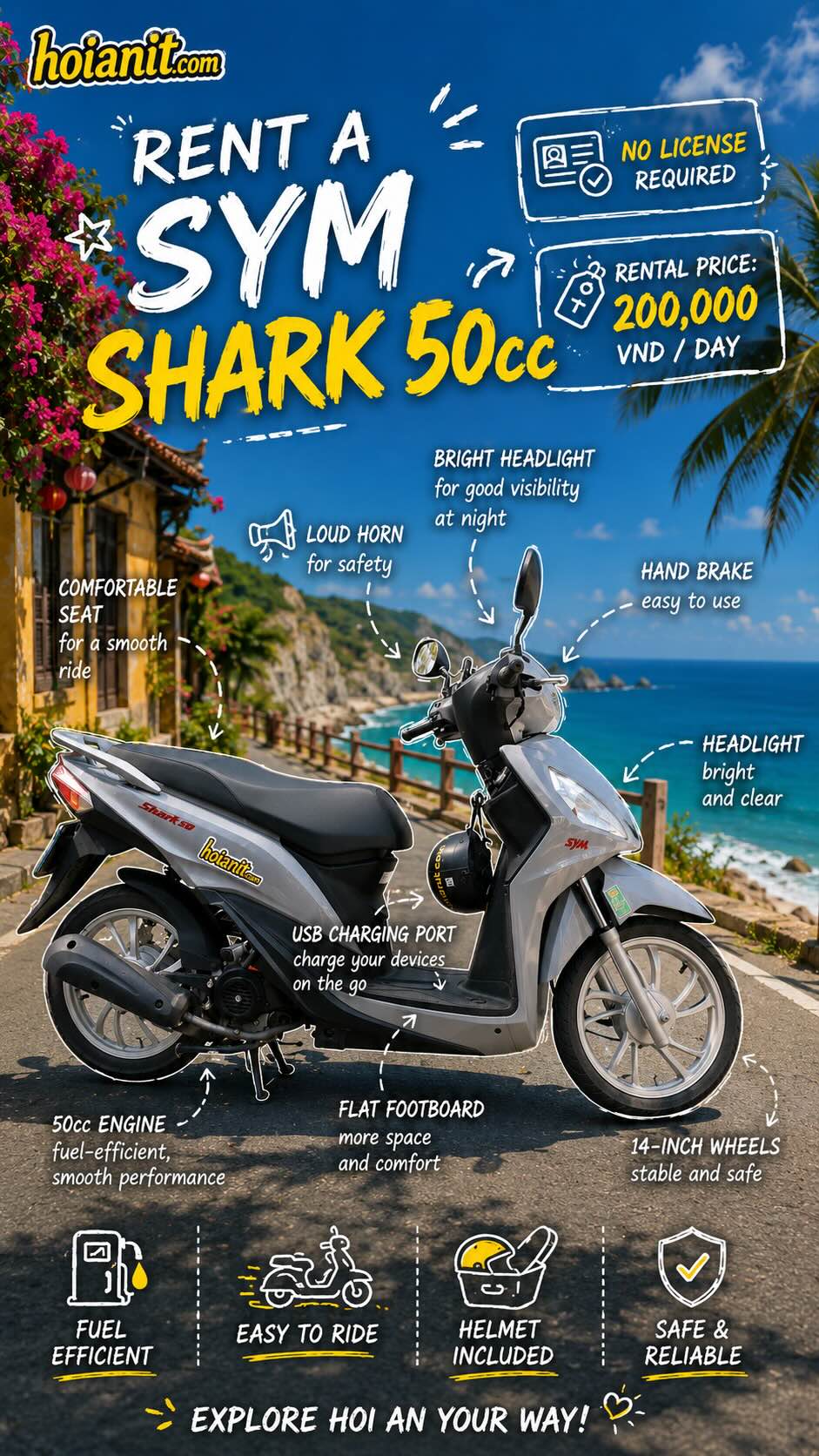
Only a handful of genuine 50cc models are in normal circulation in Vietnam. The two we rent are both 49.5cc and factory-limited to about 50 km/h: the KYMCO Like 50 and the SYM Shark 50. Others you may meet include the Honda Cub 50, SYM Elegant and Angel 50 variants and the Yamaha Cuxi 50. If the model name contains 110, 125 or 150, it is not a moped, whatever the listing says.
The thirty-second check that settles it
- Ask for the registration cardVietnamese riders call it the cà vẹt, a small laminated card. Every rental bike has one, and you should be given the card or a certified copy anyway.
- Find the line marked “Dung tích” (displacement)It is printed in cm³. A genuine 50cc reads 49 or 50. If it reads 108, 110, 124 or anything above 50, you need a license to ride it. On electric scooters the line is “Công suất”, in kW: you want 4 or less.
- Match the frame and engine numbersThey are stamped on the frame and engine. Numbers that don’t match the card make the registration invalid and turn a routine stop into a long one.
- Look at the badge on the bodyworkReal 50cc scooters are badged by the factory, usually on the side panel. Weaker evidence than the card, but it takes two seconds.
- Photograph the card before you ride offA clear photo alongside the paper copy has smoothed over more roadside conversations than any amount of explaining.
A real 49.5cc scooter will not go much past 50 km/h on the flat, and noticeably less with two people or up a slope. If the bike you were handed happily holds 65–70 km/h on the coast road to Da Nang, it is not a moped, and the registration card will say so. Trust the speedometer over the sales pitch.

What the 50cc exemption does not excuse
Not needing a license is a narrow exemption from one requirement. Everything else in the traffic code applies to a 50cc scooter exactly as it applies to a 150cc motorcycle.
| Requirement | Applies to a 50cc? | What it means for you |
|---|---|---|
| Helmet, rider and passenger | Yes | Compulsory and fastened. The most enforced rule in Hoi An, and the fine is per person |
| Registration and number plate | Yes | The shop’s job, but you carry the consequence if the paperwork is wrong |
| Compulsory third-party insurance | Yes | A yearly certificate costing about 55,000₫ for a bike under 50cc. Ask to see that it is current |
| Alcohol | Yes | Vietnam has a zero limit. Not a low limit: zero. One beer is an offence |
| Phone in hand | Yes | Banned while moving. Mount it or stop |
| Passengers | Yes | One passenger, or two if one of them is a child under 12 (the 2024 law cut this from under 14) |
| Expressways | Banned | No motorbike of any size may use a Vietnamese expressway |
| Carrying ID | In practice, yes | A photo of your passport and visa page; leave the original in the hotel safe |
The passenger change catches families out: under the old rule a parent could carry two children under 14, and many blog posts still say so. Since 1 January 2025 the extra child must be under 12. We explain the details in can 3 people ride one motorbike in Vietnam.
If you are stopped, the tone of the conversation matters more than the paperwork. We wrote a calm walkthrough of what actually happens at a checkpoint in stopped by police while riding in Hoi An.
No license class for a 50cc doesn’t mean no rules for a 50cc. It means one fewer piece of paper, and exactly the same helmet.
What it costs if you get it wrong
Penalties come from Decree 168/2024/ND-CP, in force since 1 January 2025. It raised motorbike fines steeply, in several categories by six times or more, so figures in older articles are badly out of date.
| Offence | Fine | Roughly | Extra |
|---|---|---|---|
| Riding a bike up to 125cc with no valid license (the “fake 50cc” case) | 2,000,000–4,000,000₫ | $76–152 | Bike can be held |
| Riding a bike over 125cc with no valid license | 6,000,000–8,000,000₫ | $228–304 | Bike can be held |
| No helmet, rider | 400,000–600,000₫ | $15–23 | Passenger fined separately |
| No helmet, rider and passenger | 800,000–1,200,000₫ | $30–46 | Combined |
| Cannot show compulsory insurance | 200,000–300,000₫ | $8–11 | — |
On a genuine 50cc, the first two rows simply cannot apply to you: there is no license to be missing. That is the whole value of checking the card in section №03.
Two things are worth knowing about impoundment. It is discretionary, not automatic. And when it happens, the bike goes to a compound and the rental shop has to retrieve it, which is why a shop that hands tourists a 110cc and calls it a 50cc is gambling with its own bike as well as your holiday. A shop that shrugs at the question is telling you something. For the wider picture, including the offences people are fined for without realising, see Vietnam motorbike license fines 2026.
The bigger risk: your travel insurance
The fine is the small problem. A collision that puts you in a Da Nang hospital with a broken leg is the large one, and whether your travel policy pays depends on wording that has nothing to do with Vietnamese law.
The two rules are independent. Vietnamese law says you may ride a 50cc scooter without any license. Your insurer may still require that you hold a license valid at home for that class of vehicle, whatever the local rules permit. Plenty of European policies say exactly that. Others use the phrase “legally permitted to ride in the country you are visiting”, which the 50cc exemption satisfies neatly.
- Find the motorcycle clause in the full policy wordingNot the summary page. It usually sits under exclusions or “hazardous activities”.
- Look for “licensed” or “legally permitted”The difference between those two phrases decides your claim.
- Check the engine-size capMany policies cover riding up to 125cc and exclude anything larger. A 49.5cc bike sits inside every cap we have seen.
- Take the helmet clause seriouslyMost policies void a claim if you weren’t wearing one, and Vietnamese law requires it anyway.
- Email your insurer and keep the replyTen minutes now, a written answer in your inbox for good. The single most useful thing in this article.
Separately, the compulsory Vietnamese third-party policy on the bike covers damage you cause to other people, not to yourself or the bike. It is not a substitute for travel insurance. Our own cover and roadside terms are set out in motorbike insurance in Hoi An.
Age 16, teenagers and family trips on a 50cc
Sixteen is the legal minimum for a 50cc scooter and there is no upper limit. That makes the moped the only category in which a travelling 16- or 17-year-old can legally ride their own bike in Vietnam, since every motorcycle license starts at 18. For families with older teenagers, that changes the shape of a trip.
Two cautions. A 16-year-old who has never ridden anything is still a beginner in traffic that runs on unfamiliar give-and-take conventions, and legal is not the same as wise on day one. And many travel policies treat riders under 18 differently or exclude them; check before promising anyone anything.
Where the exemption really shines is at the other end: riders in their sixties and seventies who last rode a scooter decades ago, whose home license never covered motorcycles, and who want to potter out to An Bang beach at 35 km/h. That is exactly the vehicle, and exactly the speed, a 50cc was designed for.

Where a 50cc can and can’t go from Hoi An
With the legal question settled, the honest question is whether the bike is enough for the trip you want. Fifty kilometres an hour is a real limit, and a small engine carrying two adults up a slope is slower than the number suggests. We measured these distances with Google Maps directions from our shop at 84 Phan Chau Trinh.
| Route from Hoi An | Distance | On a 50cc? | Notes |
|---|---|---|---|
| Tra Que vegetable village | 3.2 km | Ideal | Village lanes where 50 km/h is already too fast |
| An Bang Beach | 4.6 km | Ideal | Flat, short and slow: the bike’s home ground |
| Cua Dai Beach | 5.9 km | Ideal | Straight, flat road to the sea |
| Bay Mau coconut forest, Cam Thanh | 6.4 km | Ideal | Park at the jetty and take a basket boat |
| Ha My Beach | ~7.6 km | Yes | Flat coast road; two-up into a headwind you’ll sit at 40 km/h |
| Dragon Bridge, Da Nang | 27.2 km | Yes, but slow | Allow about an hour each way; traffic moves faster than you, so keep right |
| My Son Sanctuary | 38.2 km | Borderline | Doable solo, tiring two-up. A 110cc is far more pleasant |
| Hai Van Pass | ~54 km + climb | No | Long climbs and hairpins; a loaded 50cc crawls and holds up traffic on blind bends |
| Any expressway | — | Prohibited | All motorbikes are banned, whatever their size |
Two more things nobody mentions. Two-up on a 50cc is slow uphill: expect 25–30 km/h on the ramp of the Cam Kim bridge with two adults aboard, which is fine if you are relaxed about being overtaken. And soft sand at the beach parking areas defeats small wheels, so park on the concrete, not on the shoulder.
If the Hai Van Pass is the reason you came, don’t compromise on the bike. Our Prao loop guide assumes 110cc as the absolute minimum, and we’d say 150cc for two people.
50cc vs electric vs a normal scooter
| 50cc petrol | Electric (≤4 kW) | 110–160cc scooter | |
|---|---|---|---|
| License needed | None | None | 1968 IDP + home license |
| Top speed | ~50 km/h | ~40–50 km/h | 80–100 km/h |
| Range | Refuel anywhere | Limited, then hours of charging | Refuel anywhere |
| Best for | Old Town, beaches, villages | Short town hops, quiet evening rides | Da Nang, My Son, Hai Van, two-up |
| Our day rate | 200,000₫ (~$8) | from 120,000₫ (~$5) | from 150,000₫ (~$6) |
| Weak point | Hills and two-up | Range and charging time | You must be properly licensed |
The counter-intuitive detail is the price: a 50cc often costs more per day than a bigger, faster Honda Wave or Vision. That is not a mark-up on the exemption. Genuine 50cc models are a small, shrinking segment in Vietnam, they cost more to buy than a mainstream 110, and every rental shop owns only a handful. Demand from visitors without a motorcycle license is steady; supply is not.
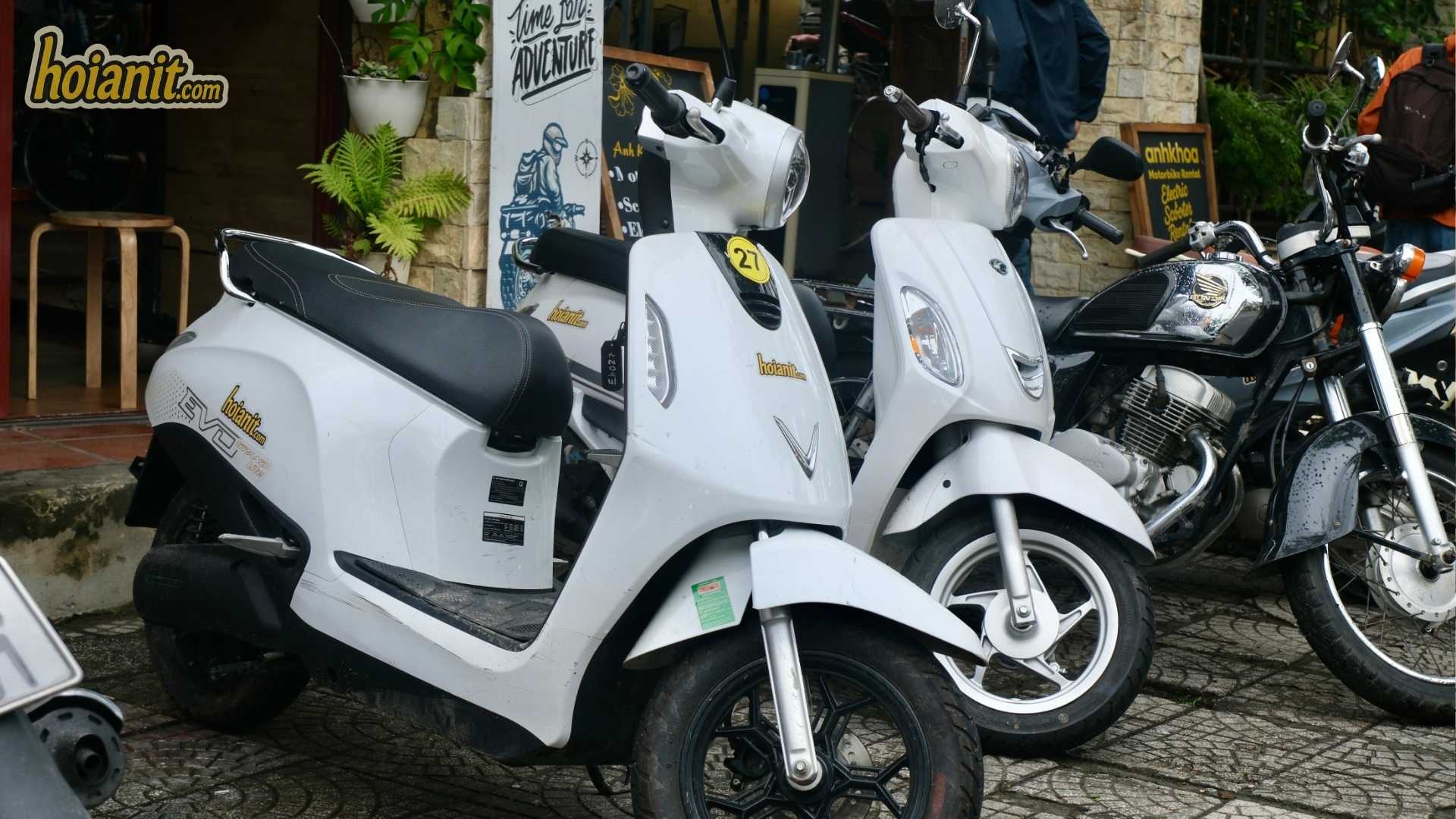
If quiet matters more than range, a low-speed electric scooter is the other no-license route. Our VinFast e-scooter and Mini Electric Scooter both stay inside the 4 kW / 50 km/h limit. The full fleet with current prices is on our motorbike rental in Hoi An page, and the no-license options are grouped in rent a motorbike in Hoi An without a license.
Renting a genuine 50cc in Hoi An
We keep both the KYMCO Like 50 and the SYM Shark 50: 49.5cc, four-stroke, automatic twist-and-go, no gears and no clutch, nothing to learn beyond the brakes. Both rent for 200,000₫ (~$8) a day, and we can deliver to your hotel.
- Two helmets are included. Take the one that fits snugly rather than the smallest one that looks tidy.
- The registration card comes with the bike. Check the “Dung tích” line yourself; we would rather you did.
- Compulsory third-party insurance is current on every bike. Ask and we’ll show you the certificate.
- Roadside help is a phone call away on +84 766 766 087, 24/7.
- If you ask for a 50cc and describe a route it can’t do, we’ll tell you. That conversation costs us a rental and saves everyone a bad day.
If you’d rather not ride at all, which is a perfectly reasonable conclusion after an hour watching Hoi An traffic, the Old Town is small enough to walk and bicycles are everywhere. Guided countryside, basket-boat and food tours can be booked in advance on GetYourGuide.
Ride legally, without a license
Genuine 49.5cc automatics delivered to your hotel in Hoi An, with two helmets, current compulsory third-party insurance and 24/7 roadside support. Optional bodywork insurance is separate and does not cover rider injuries or medical costs.
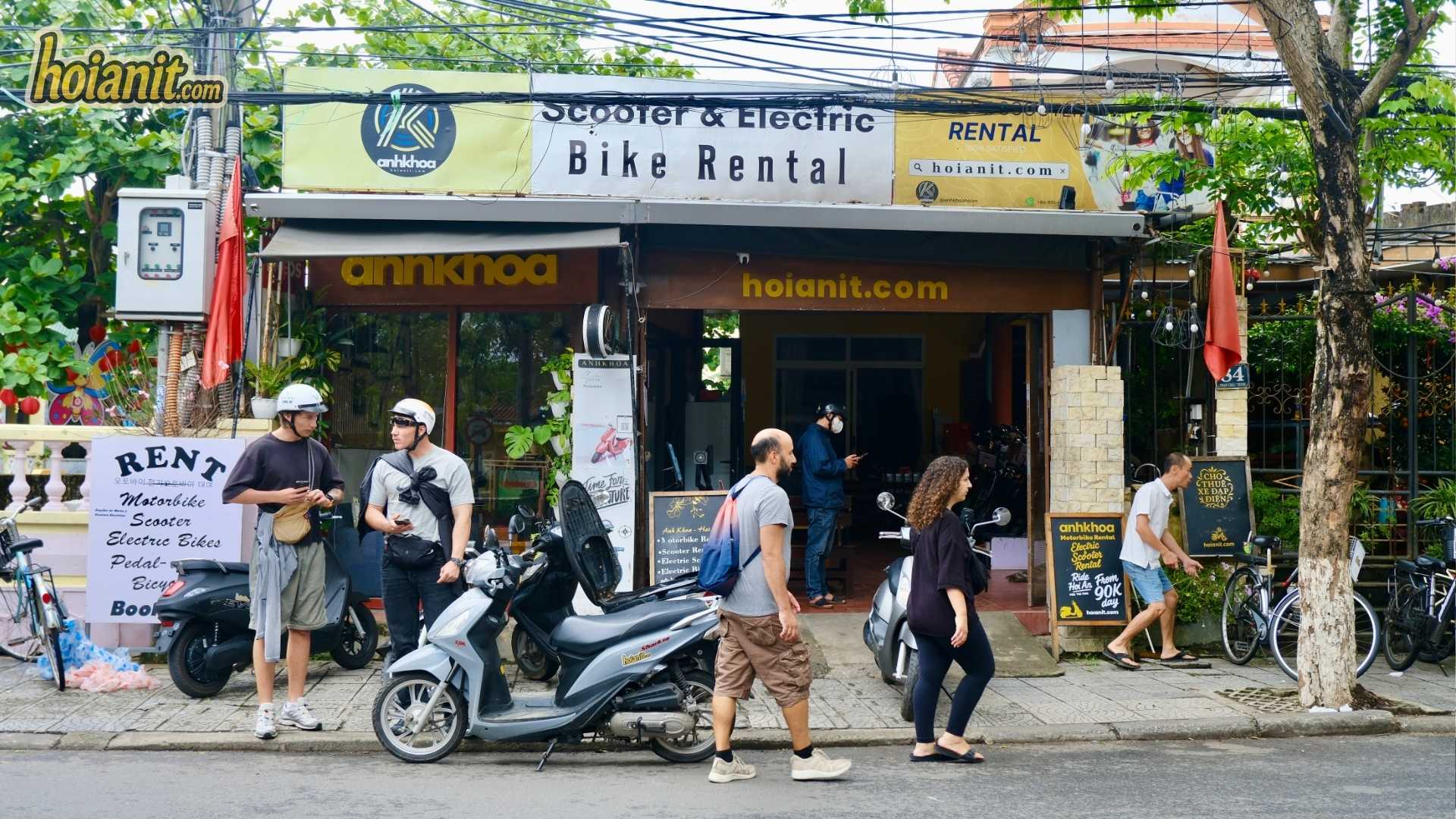
84 Phan Chau Trinh, Hoi An · open daily
Frequently asked questions
Do you need a license to ride a 50cc scooter in Vietnam?
No. Vietnamese law has no license class for mopeds, so a genuine 50cc scooter needs no Vietnamese license, no International Driving Permit and no home license. The only requirement is that the rider is at least 16. It applies to foreign visitors on the same terms as Vietnamese citizens.
What exactly counts as a 50cc under Vietnamese law?
The legal term is xe gắn máy. A vehicle qualifies only if its design speed is no more than 50 km/h and it has either a petrol engine of no more than 50 cm³ or an electric motor rated at no more than 4 kW. Failing any of these makes it a motorcycle, which needs a license.
How do I know the scooter I rented is really 50cc?
Ask for the registration card (the cà vẹt) and read the “Dung tích” line: a genuine 50cc shows 49 or 50 cm³. On an electric scooter, the “Công suất” line should be 4 kW or less. Models named 110, 125 or 150, such as a Honda Vision or Air Blade, are not 50cc whatever the listing says.
What is the fine if my “50cc” turns out to be a 110cc?
Under Decree 168/2024, riding a motorbike up to 125cc without a valid license costs 2,000,000–4,000,000₫ (about $76–152), and the bike can be held. Over 125cc the fine is 6,000,000–8,000,000₫. Travel insurance may also refuse a claim if you were unlicensed for the bike you rode.
Is a 1949 International Driving Permit valid in Vietnam?
No. Vietnam recognises only IDPs issued under the 1968 Vienna Convention. The United States, Canada, Australia, New Zealand and Japan issue 1949 permits only, so travellers from those countries should ride a genuine 50cc scooter, a low-speed electric scooter or a bicycle.
Will my travel insurance cover me on a 50cc scooter?
It depends on the wording. Policies that require you to be “legally permitted” to ride in the country usually accept a 50cc, because Vietnamese law needs no license for it. Policies that require a license valid at home for that vehicle class may not. Read the motorcycle clause in the full wording and get your insurer’s answer in writing.
Can I carry a passenger on a 50cc scooter in Vietnam?
Yes, one passenger, or two if one of them is a child under 12. The 2024 traffic law lowered that exception from under 14 to under 12. Every rider and passenger must wear a fastened helmet, and the fine is 400,000–600,000₫ per person.
Can I ride a 50cc from Hoi An to Da Nang or the Hai Van Pass?
Da Nang, yes, but slowly: the Dragon Bridge is 27.2 km from our shop, about an hour each way on a 50cc. The Hai Van Pass, about 54 km away with long climbs, is not a 50cc trip; take a 110cc or larger with the right license, or join a tour.
Read the full Hoi An rules for every bike size: Do you need a license to ride a motorbike in Hoi An? · Bản tiếng Việt: Thuê xe máy Hội An có cần bằng lái không?
Updated September 2026. Legal points reflect Vietnam’s Law on Road Traffic Order and Safety 2024 (in force 1 January 2025), Decree 168/2024/ND-CP on traffic penalties and Decree 151/2024 on school training; convention membership can be checked on the UN treaty status page for the Convention on Road Traffic. Distances measured with Google Maps directions from 84 Phan Chau Trinh, Hoi An. USD amounts are rounded approximations and rental prices are our listed rates at the time of updating. This is general information written by a motorbike rental business, not legal advice. The GetYourGuide link is an affiliate link: it costs you nothing extra, and we may earn a small commission if you book.

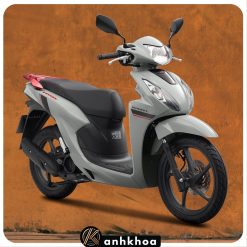
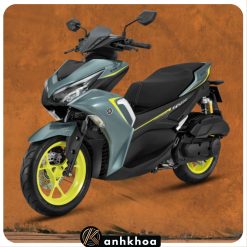
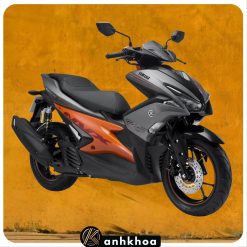
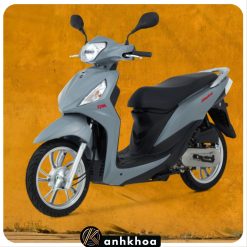


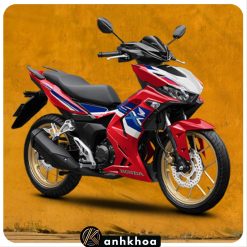
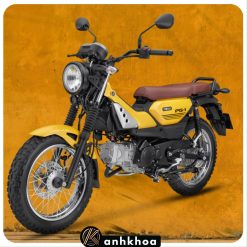
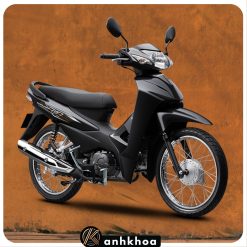
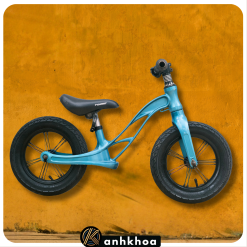
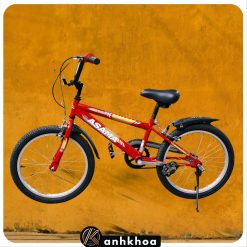
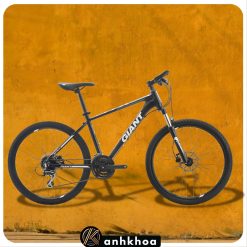
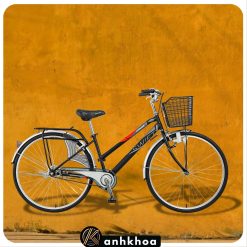
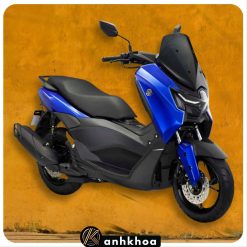
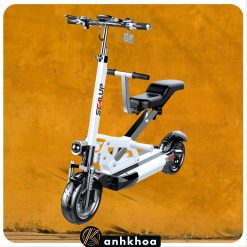
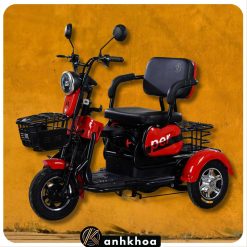
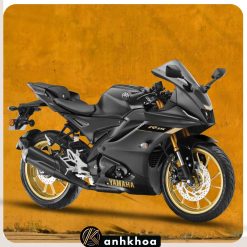
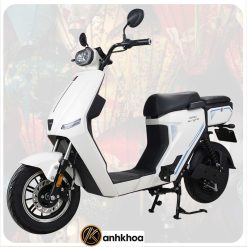
Bikes Rental


More Bike Options in Hoi An
E-Bike · No license









Pick your ride in Hoi AnChọn xe cho chuyến đi Hội An
Scooters, electric bikes and bicycles from one shop in the Old Town — delivered to your hotel, helmets and roadside help included.Xe máy, xe điện và xe đạp — giao tận khách sạn, kèm hai nón bảo hiểm và hỗ trợ dọc đường.
Not sure which one fits? Message us on WhatsApp and we’ll recommend a bike for your plans.
Chưa biết chọn xe nào? Nhắn Zalo 0935 439 306, tụi mình tư vấn theo lịch trình của bạn.