

Useful Information, Hoi An Travel Tips, Lưu Trú Hội An
Where to Stay in Hoi An (2026): The Honest Area-by-Area Guide
Where to Stay in Hoi An (2026): The Honest Area-by-Area Guide
Hoi An is small enough to cross by bicycle in twenty minutes, which fools people into thinking the neighbourhood doesn’t matter.
Hoi An is small enough to cross by bicycle in twenty minutes, which fools people into thinking the neighbourhood doesn’t matter. It matters more here than in most Vietnamese towns, because the four places you can sleep — the old town, the riverside, An Bang beach and the rice fields — are genuinely different holidays. One puts lanterns outside your window and tour groups outside your door at 8 a.m. Another gives you sunrise over the paddies and a ten-minute ride to dinner. This guide is the honest area-by-area breakdown, written by people who live here and get asked this question every week.
Some links in this article are affiliate links — if you book through them, we earn a small commission at no extra cost to you. It helps keep this guide free and updated.
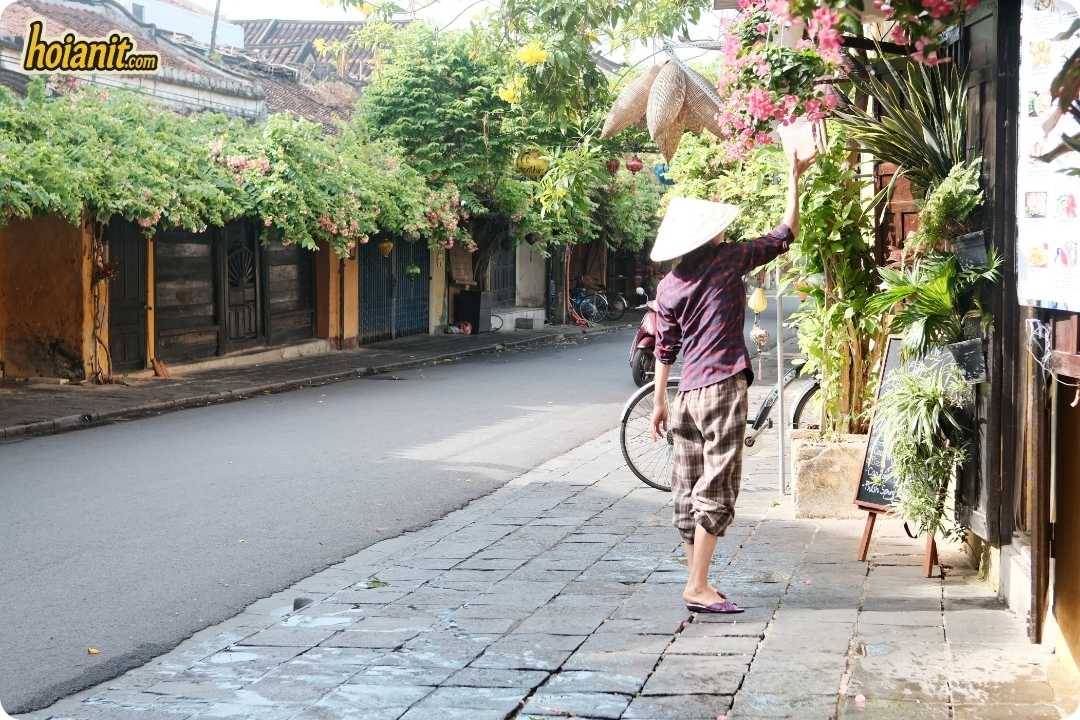
The four areas in one paragraph each
| Area | You’ll love it if… | You won’t if… |
|---|---|---|
| Old town edge | You want lanterns, restaurants and tailors on foot, day and night | You need quiet — the centre is busy from 08:00 and loud until 22:00 |
| An Bang beach | Mornings in the sea, beach bars at sunset, a calmer base | You’d resent a 15-minute ride every time you want the old town |
| Rice fields / Cam Thanh | Space, pools, buffalo outside the window, the best value in town | You don’t want to ride or rely on taxis after dark |
| Riverside / An Hoi | Walking to the night market, river views from your balcony | You’re travelling in flood season — this is the lowest ground |
Old town & the edge streets
Staying inside the heritage core sounds like the dream and is, for two or three nights. You step out into the lantern streets, the tailors know you by day two, and midnight noodles are a two-minute walk. The trade: the old town is a working tourist attraction, so your morning starts when the first tour group’s guide raises a microphone.
Local tip most guides skip: don’t book in the core — book the streets just outside it. Phan Chau Trinh (our own street), Tran Hung Dao and the lanes north of Nguyen Truong To put you five to ten minutes’ walk from the Japanese Bridge, at noticeably lower prices, with sleep. That’s where residents would put their own visiting family.
Affiliate links — you pay the same price, and we may earn a small commission that keeps this guide free.
An Bang & Cua Dai beaches
Four kilometres north-east of the old town, An Bang is where a lot of returning visitors end up: a proper swimming beach, a strip of sand bars that do sunset well, and small guesthouses and villas set back in the lanes. You swim before breakfast, ride in for dinner, and ride home along a dark quiet road with the sea on your left.
Cua Dai, slightly closer to town, is the resort end — bigger properties, more manicured, and a beach that has suffered badly from erosion in places, so check recent photos of the actual beach in front of the property rather than the brochure shot. Our An Bang beach guide covers both in detail.

The rice fields & Cam Thanh
Between the old town and the water-coconut country sits a belt of paddies threaded with small lanes — and this is where Hoi An’s value hides. The same money that buys a modest old-town room buys a garden villa with a pool out here, with buffalo working the field beyond the fence and nothing but frogs at night.
It suits riders, families who want space, and anyone staying more than three nights. It doesn’t suit a two-night visit with no transport — you’d spend the trip in taxis. If you’re this side of town, Cam Thanh’s basket boats and Tra Que’s herb gardens become your doorstep rather than day trips: see the basket boat guide and Tra Que village.
Riverside & An Hoi
Across the Hoai River from the old town, An Hoi island holds the night market and a dense run of mid-range hotels, many with river-view balconies. It’s a five-minute walk over the bridge into the heritage core — arguably the best walk-to-everything compromise in town.
Homestay, boutique, resort or villa?
- Homestay — family-run, breakfast cooked by the owner, often the warmest experience in town and the cheapest. Standards vary wildly; recent reviews matter more than star ratings.
- Boutique hotel — the Hoi An sweet spot: pool, breakfast, bicycles, walkable location, mid-range price. Most first-timers should book this and stop deliberating.
- Resort — beach or riverside, full service, a real holiday-within-a-holiday. Check the shuttle timetable into town before booking; it’s the difference between relaxed and stranded.
- Pool villa — best value per square metre in the rice-field belt, and unbeatable for families or groups sharing.
We’ve written a dedicated Vietnamese-language guide to each type — homestay & hostel, boutique hotel, resort and pool villa.
Season, flooding and when to book
- February–April — the best weather and the busiest beds. Book weeks ahead; good boutique places genuinely sell out.
- May–August — hot and bright. Pools stop being a luxury and start being the point; prioritise properties that have one.
- September–November — rain and the flood window. Prices soften considerably; take the discount but pick your ground carefully (see № 05) and favour free cancellation.
- December–January — cool, quiet, often drizzly. Underrated, and the old town is at its most liveable.
Five things worth checking before you book
- Walking distance to the Japanese Bridge — not “distance to Hoi An”, which listings measure from anywhere.
- Free bicycles — standard at good properties and worth real money over a week.
- Does it include airport pickup, and at what price versus booking your own — compare against our Da Nang airport transfer guide.
- Recent reviews only. Hoi An properties change hands and standards drift; a five-star average built in 2023 tells you little about tonight.
- Free cancellation in the Sep–Nov window — weather here can rewrite plans, and the flexible rate is usually only a little more.
Anh Khoa rents well-maintained motorbikes and electric bikes at 84 Phan Chau Trinh, Hoi An, and delivers to hotels across town. From the beach or the paddies, two wheels turns distance into nothing.
FAQ
Where is the best area to stay in Hoi An?
For first-timers, the streets just outside the old town core — five to ten minutes’ walk from the Japanese Bridge, quieter and cheaper than inside it. Choose An Bang beach if swimming matters most, or the rice-field belt if you want space, a pool and the best value.
Should I stay in the old town or at the beach in Hoi An?
Old town if you want to walk everywhere and be in the lantern atmosphere day and night. An Bang beach if you’d rather swim each morning and accept a 15-minute ride into town for dinner. With a motorbike or bicycle, the beach becomes an easy choice; without transport, stay central.
Is An Bang beach too far from Hoi An old town?
It’s about 4 km — roughly 15 minutes by bicycle or motorbike, and a short taxi otherwise. The distance is only a problem if you have no transport, because taxi fares twice a day quickly erase any room saving.
Does Hoi An flood, and which areas are affected?
Yes, typically in October and November. The riverside and An Hoi island sit on the lowest ground and go under first, sometimes for a day or two. Staying on the old-town edge or toward the beach reduces the risk, and free-cancellation rates are worth it in those months.
How far in advance should I book accommodation in Hoi An?
Several weeks for February to April, the peak season, when the better boutique properties genuinely sell out. Outside that, a week is usually enough, and September to November often has good last-minute rates because of the rain.
Homestay or hotel in Hoi An — which is better?
Homestays offer the warmest welcome and the lowest prices but vary a lot in standard, so read recent reviews. Boutique hotels — pool, breakfast, free bicycles, walkable location — are the reliable middle and what we recommend to most first-time visitors.
Updated August 2026. Neighbourhood advice from living here; prices and availability change with season. Some links are affiliate links; they never change the price you pay.








Pick your ride in Hoi AnChọn xe cho chuyến đi Hội An
Scooters, electric bikes and bicycles from one shop in the Old Town — delivered to your hotel, helmets and roadside help included.Xe máy, xe điện và xe đạp — giao tận khách sạn, kèm hai nón bảo hiểm và hỗ trợ dọc đường.
Not sure which one fits? Message us on WhatsApp and we’ll recommend a bike for your plans.
Chưa biết chọn xe nào? Nhắn Zalo 0935 439 306, tụi mình tư vấn theo lịch trình của bạn.