
Hoi An Travel Tips
Hoi An Museum of Traditional Medicine: Tickets, Hours and What’s Inside
Hoi An Museum of Traditional Medicine: Tickets, Hours and What’s Inside
A recreated herbal pharmacy inside an old Hoi An shophouse, six minutes’ walk from the Japanese Covered Bridge. Here is what is in each room, what a ticket costs in 2026, and how to fit it into an Old Town walk.
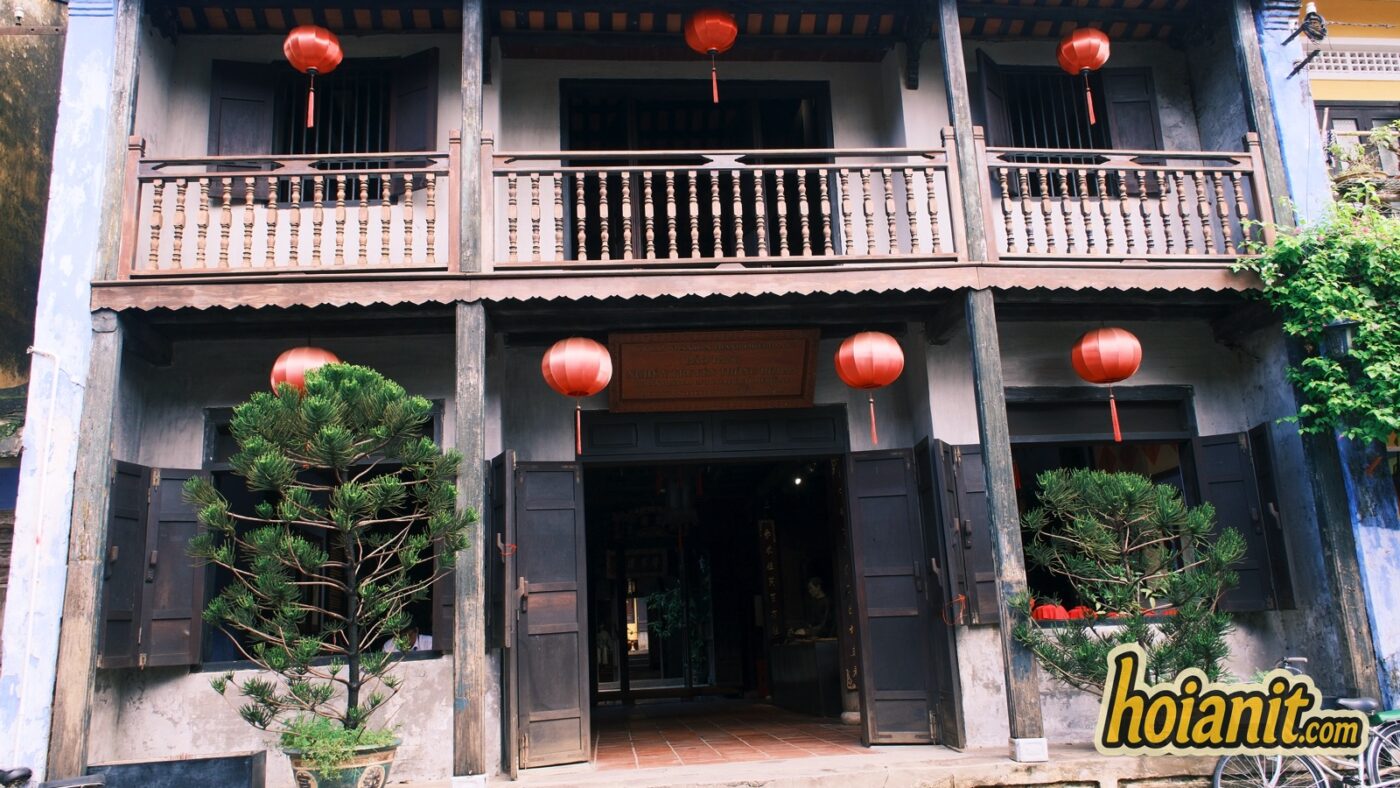
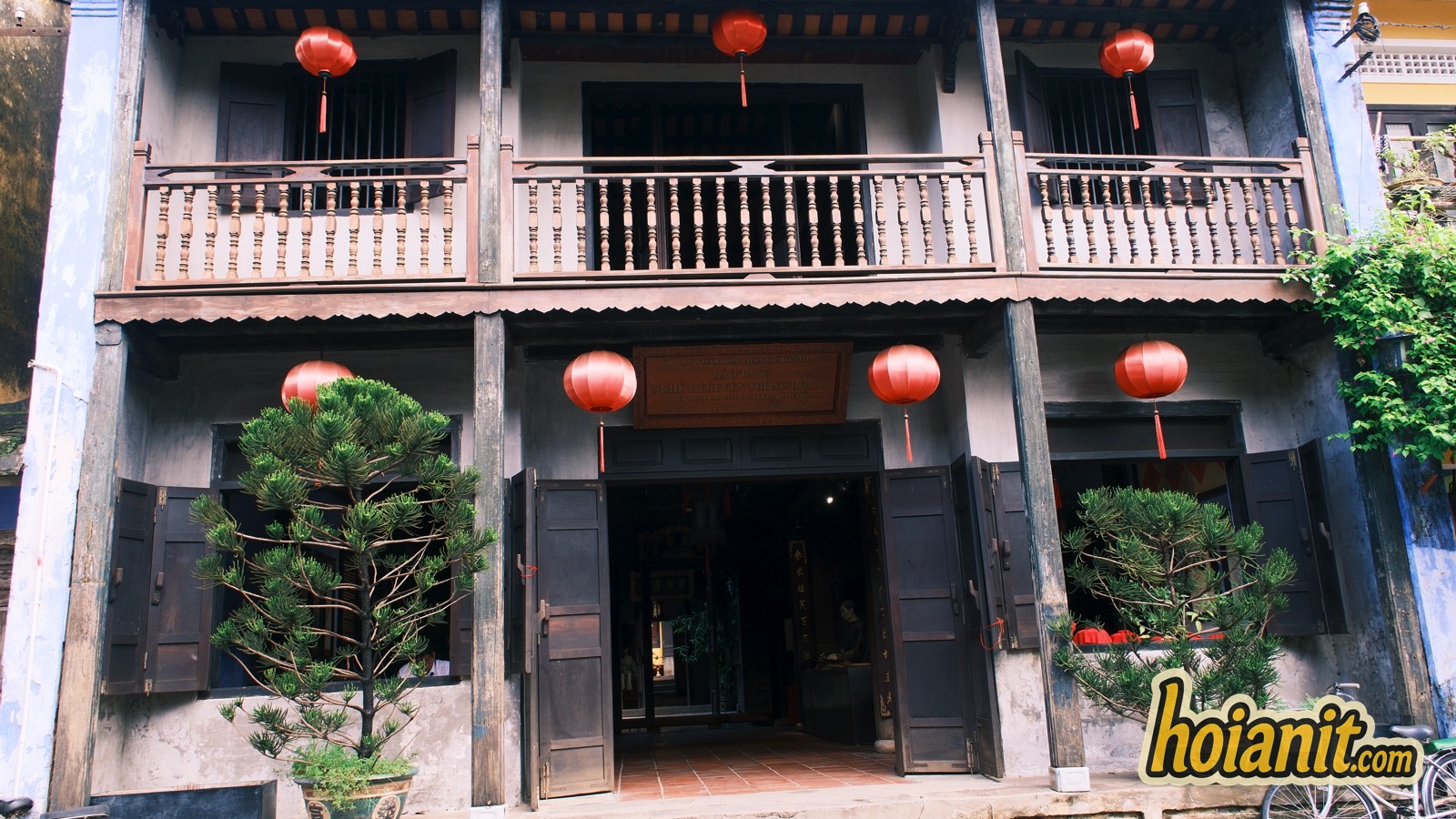
Most visitors walk past 46 Nguyen Thai Hoc without noticing that it is a museum. From the street it looks like every other two-storey timber shophouse in Hoi An: red lanterns, a carved balcony, heavy wooden doors. Inside is the Museum of Traditional Medicine, a small museum that recreates the herbal pharmacies that once served the old port town.
This guide covers where it is, what a visit costs under the heritage fee in force since August 2026, what each room shows, and whether it is worth your time on a day in the Old Town. The facts come from the museum’s own page, the Hoi An heritage centre and Google Maps, checked in November 2026.
What the Museum of Traditional Medicine is
The Hoi An Museum of Traditional Medicine (Bảo tàng Nghề Y truyền thống Hội An) opened on 15 March 2019. It is run by the Hoi An Centre for Cultural Heritage Management and Preservation, the same body that looks after the town’s other small museums and the ticketed old houses (VnExpress).
The museum sits in an old shophouse built in the traditional Hoi An style, and holds more than 200 artefacts and documents across six display rooms, according to the museum’s own page. The idea is simple: instead of objects in glass cases, the ground floor is laid out as a working herbal pharmacy of the kind that once lined Hoi An’s streets, and the upper floor explains how traditional medicine was practised in Vietnam, in Quang Nam and in Hoi An itself.
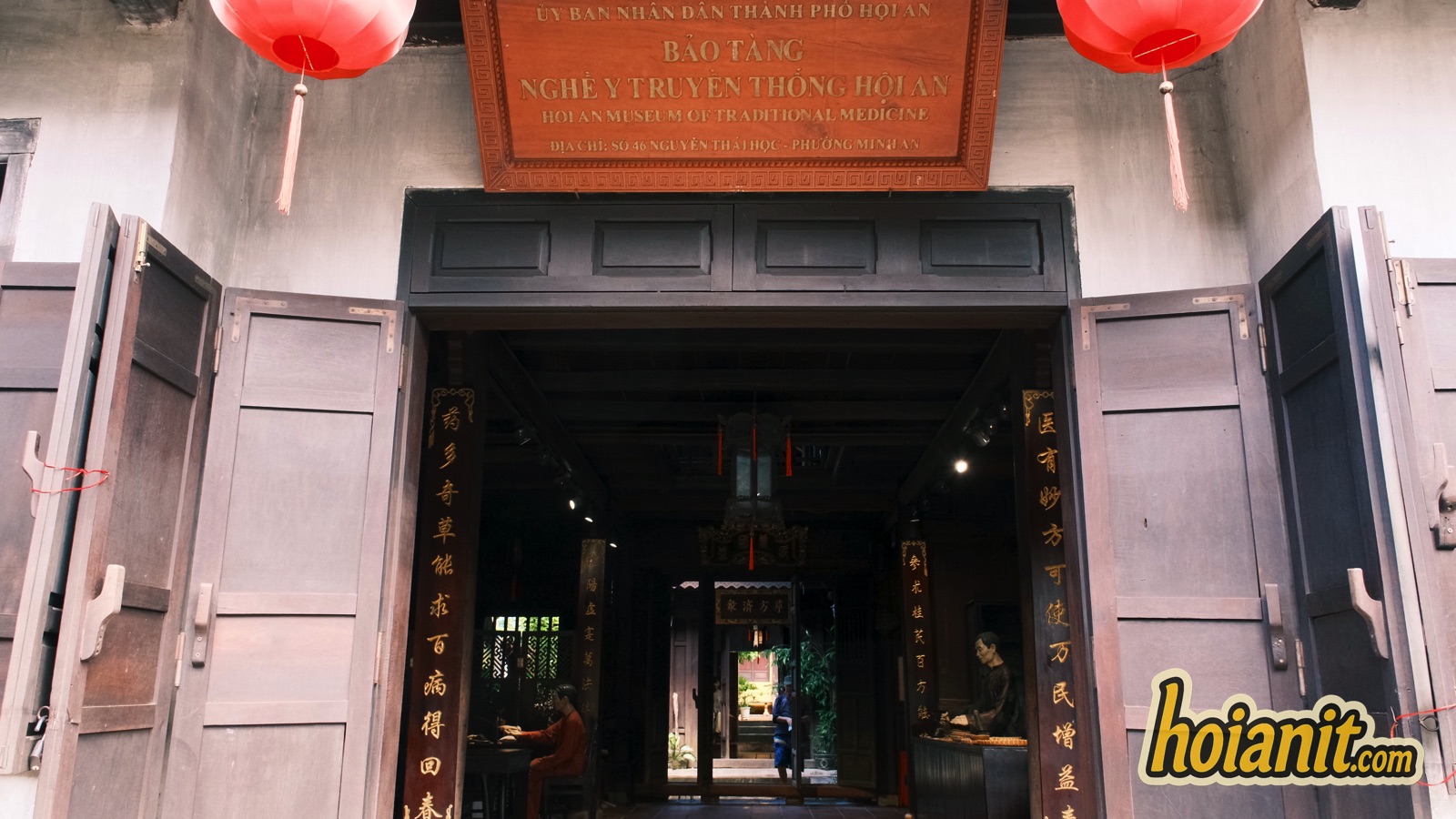
The ground floor is laid out as if the physician has just stepped away from the counter.
Where it is and how to walk there
The Museum of Traditional Medicine is at 46 Nguyen Thai Hoc, the street that runs between Tran Phu and the riverside. It is on the same street as Tan Ky Old House, which is at number 101, so the two are easy to visit together.
| From | On foot | Route |
|---|---|---|
| Japanese Covered Bridge | 6 min, 450 m | East along Nguyen Thai Hoc or Tran Phu |
| Our shop, 84 Phan Chau Trinh | 8 min, 600 m | Via Phan Chau Trinh, or Tran Phu and Nguyen Thai Hoc |
Walking times were measured on Google Maps. Nguyen Thai Hoc is inside the Old Town walking zone, where motorbikes are banned for much of the day, so if you come by scooter, park outside the zone and walk the last few minutes. A bicycle is allowed through most of the closure hours; the rules are explained in our guide to the Japanese Covered Bridge.
Tickets and opening hours
The museum’s own page lists it as a ticketed site. Since 10 August 2026, Hoi An’s heritage fee is 20,000₫ per site, the same price for Vietnamese and foreign visitors, and you only pay when you step inside a heritage building. Walking the Old Town streets is free. Our Hoi An entrance ticket guide explains how the fee works and where to pay.
A couple of Google Maps reviews say they walked in without a ticket. That may have been on a day when no one was checking. Plan on paying the fee, and ask at the door if you are unsure.
The museum is open 8:00–17:00 daily. Its own website also says it closes on the 12th and 27th of each month for maintenance, so avoid those two days to be safe.
What you see, room by room
The museum is small, so it pays to know the layout before you go in. This is the arrangement described on the museum’s own page.
| Where | What it shows |
|---|---|
| Ground floor, front room | A recreated herbal pharmacy: tall medicine cabinets, a corner where the physician took the pulse and examined patients, a waiting area, and the counter where prescriptions were weighed out |
| Open courtyard | A scene of herbs being dried and stored |
| Ground floor, back room | A scene of medicines being prepared |
| Upper floor, front room | Traditional medicine in Vietnam, in Quang Nam and in Hoi An |
| Upper floor, middle room | Tools and equipment used in traditional medicine |
| Upper floor, back room | A documentation room with old books on oriental medicine |
The ground floor is the part most visitors remember. The wall of small wooden drawers, each once holding a different dried herb, is the same kind of medicine cabinet you can still see in some of Hoi An’s old merchant houses. The upper floor is quieter and more about reading than looking, so it suits people who like the history behind the objects.
Is the Museum of Traditional Medicine worth it?
It depends on what you want from the Old Town. The museum has a 3.8 rating from 116 reviews on Google Maps (checked November 2026). The topics reviewers mention most are the beautiful old wooden house, the history of herbal medicine and the medicinal tools. The rating is lower than Hoi An’s best-known sites, which fits what it is: a small, specialised museum.
- Go if you like old houses and want to see one set up the way it was used, or you are curious about herbal medicine.
- Go if you want a quieter stop than the Japanese Covered Bridge or Tan Ky on a busy afternoon.
- Skip it if you only have time for a few sites and want the famous ones. The bridge, an assembly hall and a merchant house give you more of Hoi An’s story.
Allow about half an hour to see both floors properly. It also works well on a hot or rainy afternoon, when an indoor stop between longer walks is welcome; more ideas are in our rainy day guide to Hoi An.
What to pair it with
The Museum of Traditional Medicine fits easily into a short walk through the western half of the Old Town:
- Tan Ky Old House, on the same street at number 101.
- The Japanese Covered Bridge and Phung Hung Ancient House, six minutes’ walk west.
- Duc An Ancient House, where another old medicine cabinet still stands.
- The town’s other small museums: Folk Culture, Trade Ceramics, Sa Huynh Culture and History and Culture.
Exploring the Old Town by bike?
We rent bicycles, electric bikes and scooters from 84 Phan Chau Trinh, eight minutes’ walk from the museum.
Frequently asked questions
Where is the Museum of Traditional Medicine in Hoi An?
At 46 Nguyen Thai Hoc in the Old Town, on the same street as Tan Ky Old House. It is a six-minute walk east of the Japanese Covered Bridge.
How much is the ticket for the Museum of Traditional Medicine?
The museum is a ticketed heritage site. Since 10 August 2026 the Hoi An heritage fee is 20,000 VND per site, the same for Vietnamese and foreign visitors.
What are the opening hours of the Museum of Traditional Medicine?
The museum is open 8:00 to 17:00 daily. Its own website says it closes on the 12th and 27th of each month for maintenance, so avoid those two days.
What is inside the Museum of Traditional Medicine?
More than 200 artefacts and documents in six rooms. The ground floor recreates a herbal pharmacy with medicine cabinets and a pulse-taking corner, and the upper floor covers traditional medicine in Vietnam, Quang Nam and Hoi An, with tools and old books.
How long do you need at the Museum of Traditional Medicine?
About half an hour is enough to see both floors. It is a small museum, so it fits easily between bigger sites in the Old Town.
When did the Hoi An Museum of Traditional Medicine open?
It opened on 15 March 2019 and is managed by the Hoi An Centre for Cultural Heritage Management and Preservation.
Checked on 18 November 2026 against the museum’s page on hoianmuseum.com, VnExpress International (March 2019), the Hoi An heritage centre and Google Maps. Hours and fees can change; check at the door. Anh Khoa Hoi An Motorbike Rental, 84 Phan Chau Trinh, Hoi An.
Keep reading Hoi An Travel Tips