
Riding Rules & Licenses
Tips to Avoid Fines When Riding in Vietnam: 12 Habits for 2026
Tips to Avoid Fines When Riding in Vietnam: 12 Habits for 2026
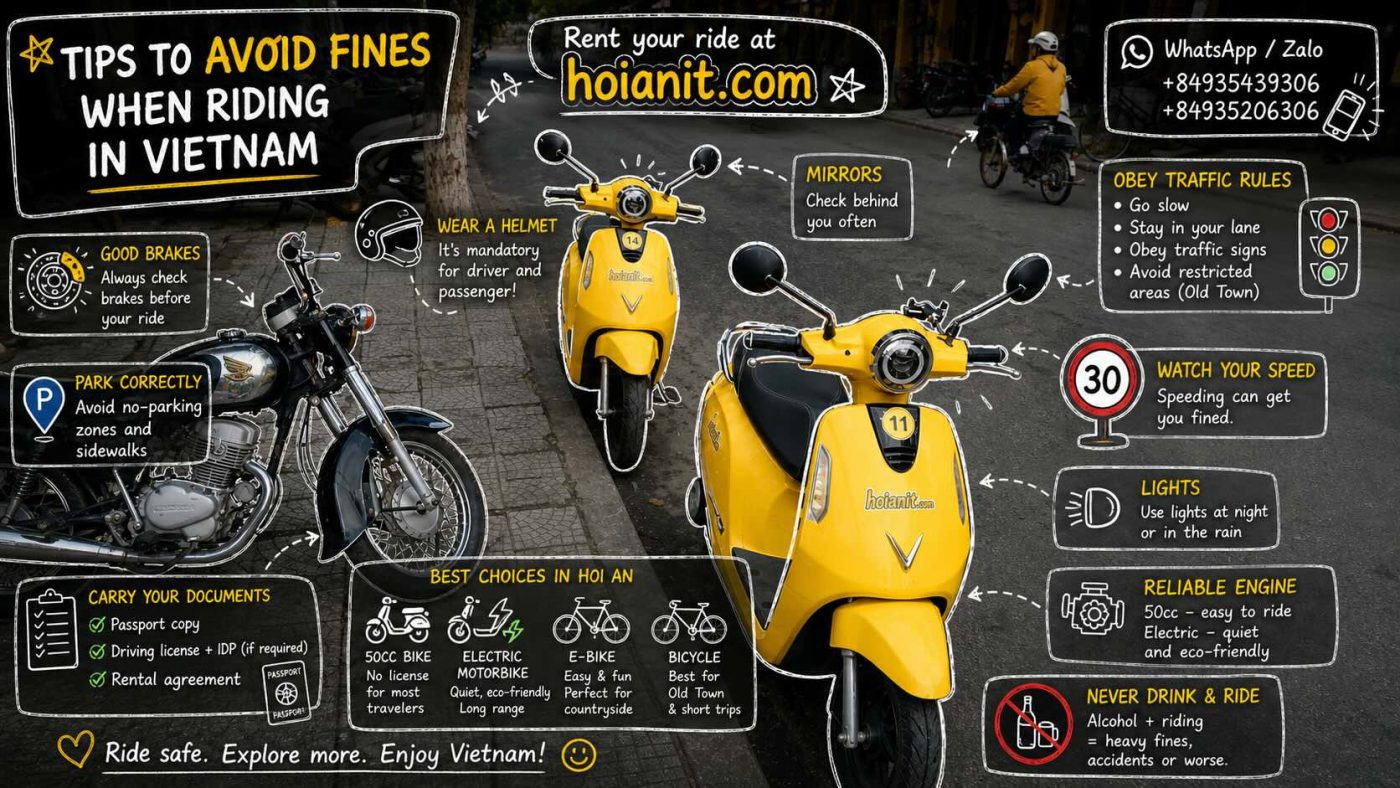
These tips to avoid fines when riding in Vietnam come from the questions riders ask at our counter in Hoi An: twelve habits, the 2026 fine for skipping each one, and why cameras now matter as much as police.
Most of the fines tourists pay in Vietnam are not for dramatic offences. They are for an open chin strap on the ride to dinner, a phone held up to check the map, a headlight left off after dark, or a scooter left on the pavement outside a café. Each one is small. Together they are what the traffic police in and around Hoi An write up most often, and since 2025 every one of them costs several times what it did before.
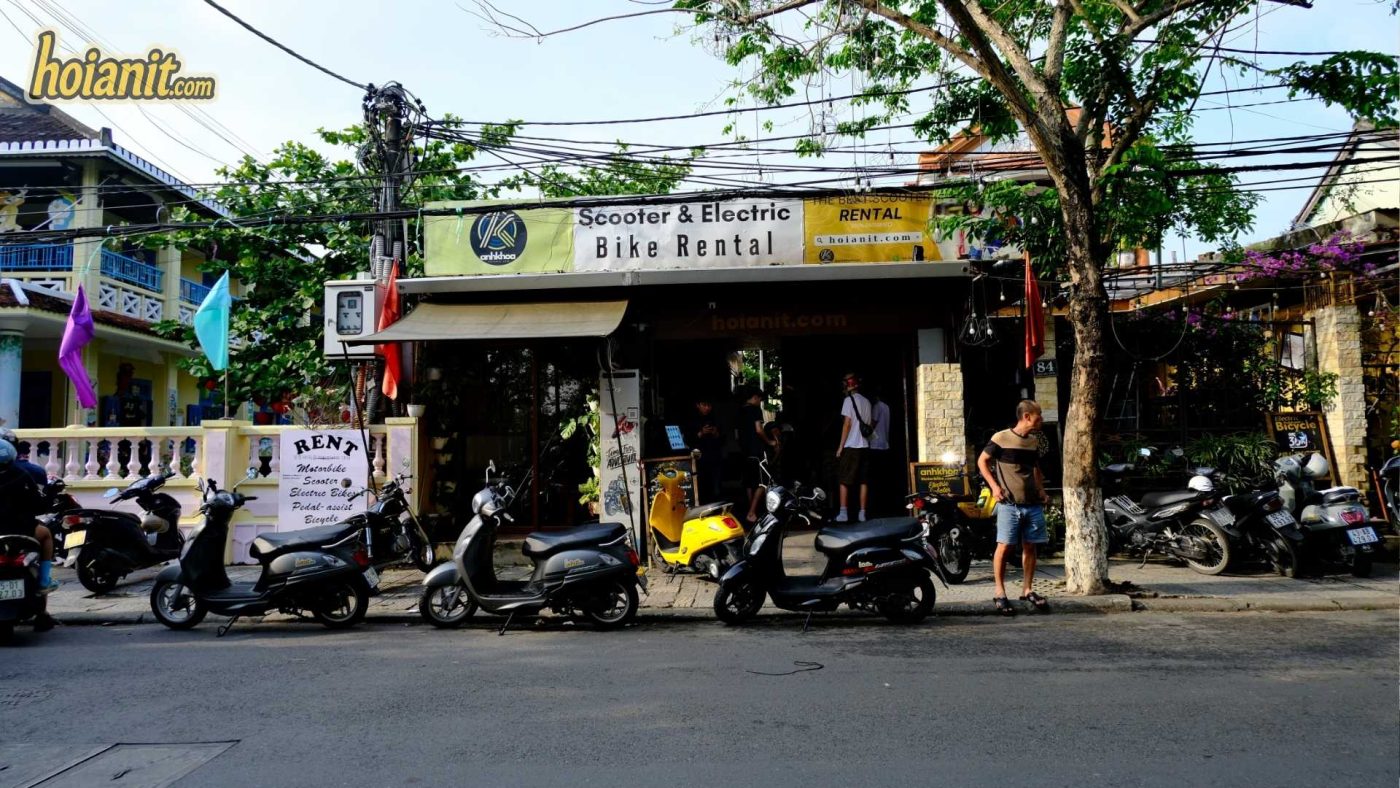
We rent bikes from a shop on Phan Chau Trinh street, so we hear the stories when riders bring the bikes back. This guide puts those stories next to the actual rules: the license you need, the habits that keep you out of trouble, the speed limits that apply on the roads you will actually ride, and the newer problem of camera fines that arrive after you have flown home. If you want only the fine amounts, our Vietnam motorbike license fines 2026 table has them all; this page is about not needing it.
- Tips to avoid fines when riding in Vietnam: the 60-second check
- The right license for the right bike
- Helmet, phone and passengers
- Lights, signals, lanes and red lights
- The speed limits that actually apply
- Alcohol: the limit is zero
- Hoi An Old Town and parking
- Camera fines: the ticket that arrives later
- If you are stopped anyway
- FAQ
Tips to avoid fines when riding in Vietnam: the 60-second check
Most tips to avoid fines when riding in Vietnam come down to things you can do before you leave the hotel. The table pairs each habit with what skipping it costs under Decree 168/2024/ND-CP, the penalty decree in force since 1 January 2025. Decree 238/2026, which took effect on 15 August 2026, amended parts of it but did not change any of these motorbike amounts.
| Habit | Fine if you skip it (₫) |
|---|---|
| License and IDP that cover the engine size | 2,000,000–4,000,000 (up to 125cc); 6,000,000–8,000,000 above |
| Helmet on, strap closed, for rider and passenger | 400,000–600,000 |
| Phone in a mount, never in your hand | 800,000–1,000,000 |
| Headlight on from 18:00 to 06:00 and in rain or fog | 200,000–400,000 |
| Indicator on before every turn | 600,000–800,000 |
| Stay in the lane marked for motorbikes | 600,000–800,000 |
| Stop at red, never ride against a one-way street or on the pavement | 4,000,000–6,000,000 |
| Keep within the limit (5–10 km/h over) | 400,000–600,000, rising to 6,000,000–8,000,000 at 20+ km/h over |
| No alcohol at all before riding | From 2,000,000 |
| Park in a lot, not on the pavement | 400,000–600,000 |
| Stay out of the Old Town during barrier hours | 2,000,000–3,000,000 |
The check itself takes about a minute, and it is the same one we run through when we hand a bike over:
- Papers in your pocketHome license plus a 1968 International Driving Permit for anything above 50cc, or nothing at all for a genuine 50cc or low-power electric bike. A photo of your passport and visa page on your phone.
- The bike’s papers on the bikeA rental bike should carry its registration card and the compulsory insurance certificate. Ask where they are before you ride off; the officer will ask for both.
- Helmets that fitTwo helmets if you have a passenger. Close both straps and pull them snug before the engine starts.
- Lights and indicatorsPress each one while the bike is parked. A dead indicator is your shop’s problem to fix, not yours to discover at a junction.
- Phone in the mountSet the route before you set off. If you need to change it, stop at the side of the road first.
Ride the way local riders ride in Hoi An: slowly, on the right, with your indicator on early. A rider who looks careful is far less likely to be waved over at a checkpoint than one weaving through traffic with a passenger holding a phone.
The right license for the right bike
The single most expensive mistake is riding a bike your license does not cover. Vietnam recognises foreign riders through the 1968 Vienna Convention International Driving Permit, carried together with your home license, and the permit must show the motorbike category (A for most countries; A1 covers up to 125cc). A 1949 Geneva permit is not accepted. That includes the AAA permit issued in the United States, because the US is not a party to the 1968 convention, so an American rider on a 125cc scooter is treated as unlicensed even with a valid home license.
The penalty for riding without a valid license is 2,000,000–4,000,000₫ for a bike up to 125cc (or an electric motorbike up to 11 kW) and 6,000,000–8,000,000₫ for anything bigger. The bike can be held for up to seven days, and you are still paying rent on it while it sits in a police compound. The owner who handed it over can be fined too: 8–10 million dong for an individual, 16–20 million for a business. That is why a careful shop asks to see your permit.
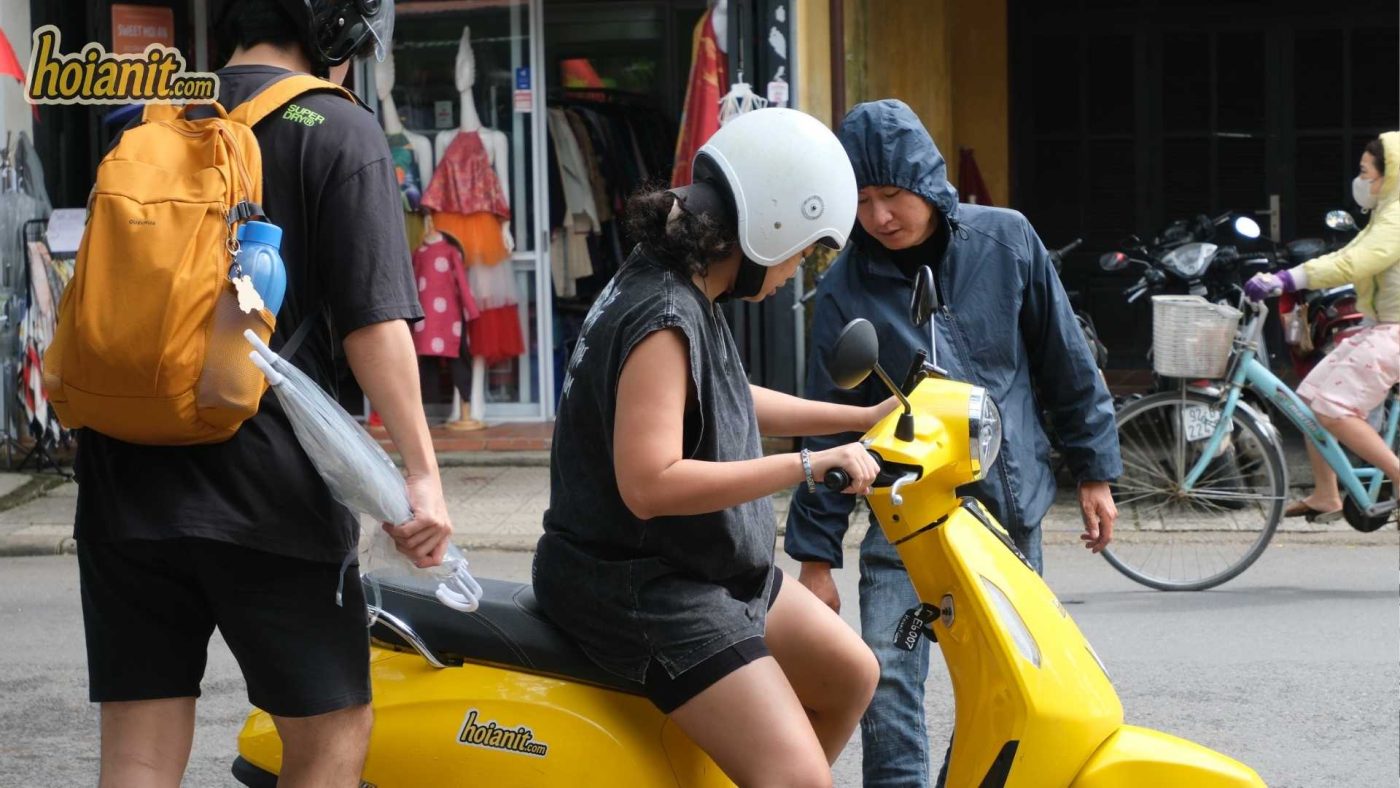
No license? Ride something that does not need one
Vietnam lets anyone aged 16 or over ride a moped of 50cc, or an electric bike of up to 4 kW with a top speed of 50 km/h, without a license. For most visitors to Hoi An that covers everything they actually want to do: the Old Town edge, the beaches at An Bang and Ha My, Tra Que vegetable village and the rice fields around Cam Thanh.
| No-license option | Our price per day | Good for |
|---|---|---|
| SYM Shark 50cc / KYMCO Like 50cc | 200,000₫ (~$8) | Town, beaches, villages |
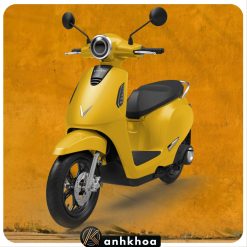
| VinFast Evo200 Lite (electric) | 200,000₫ (~$8) | Quiet rides, top speed about 49 km/h |
| Mini Electric Scooter | 150,000₫ (~$6) | Short hops around town |
| Electric bicycle (pedal assist) | 100,000₫ (~$4) | Rice fields, couples |
| City bike | 50,000₫ (~$2) | The Old Town itself |
One warning: some shops elsewhere paint “50cc” on a 110cc scooter. If you ride one of those without a license, the 2–4 million dong fine applies. Our 50cc license guide shows how to check the engine in thirty seconds, do electric motorbikes need a license explains where electric bikes cross into A1, and IDP 1968 in Vietnam covers which permits are valid. You can also browse the no-license bikes directly.
Helmet, phone and passengers
These three are the fines we hear about most from customers, because they catch careful people on short trips. Nobody forgets a helmet on the ride to My Son. Plenty of people forget to close the strap on the four-minute ride to dinner.
Helmet: strap closed, every ride
Riding without a helmet, or with the chin strap open, costs 400,000–600,000₫. The rule covers your passenger as well, and the rider is the one fined if the passenger’s head is bare. A helmet hanging from the mirror counts as no helmet. Good shops include helmets with every bike; if yours slides around on your head, ask for a smaller one before you leave.
Phone: in a mount or in your pocket
Holding a phone while the bike is moving, to call, text or look at a map, costs 800,000–1,000,000₫. A phone fixed in a handlebar mount for navigation is fine. If you need to look something up, pull over, stop, and then pick up the phone. The same applies to holding an umbrella while riding, which Vietnamese law treats as the same kind of offence; wear a raincoat instead.
Passengers: one, with a few exceptions
A motorbike carries the rider and one passenger. A second passenger is allowed only in narrow cases, such as a child under 12. Two passengers outside those cases costs 400,000–600,000₫ and three or more costs 600,000–800,000₫. Families with young children should read can 3 people ride one motorbike in Vietnam before deciding between one bike and two.
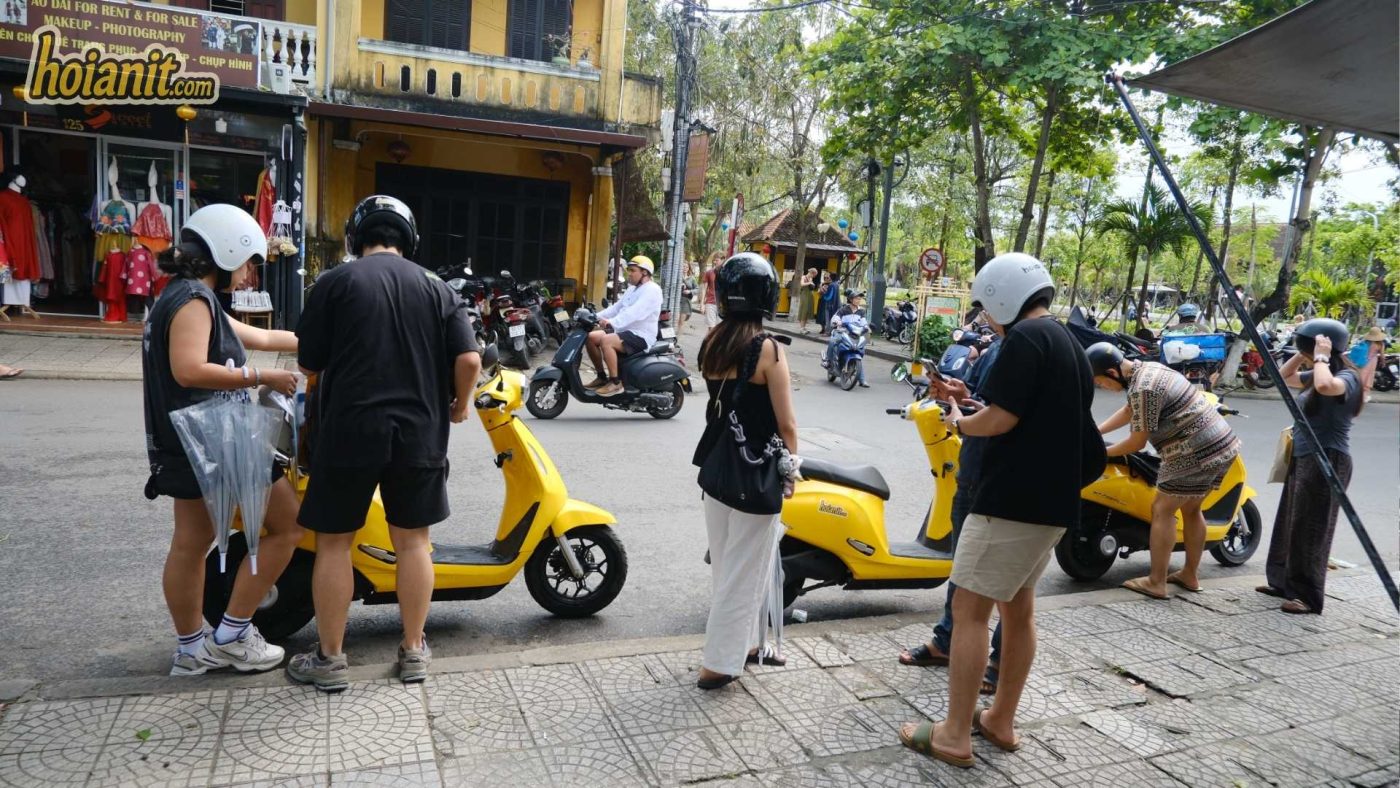
The ride you are most likely to be fined on is the short one you did not think was worth closing the strap for.
Lights, signals, lanes and red lights
This group of rules is where the fines jump from hundreds of thousands to millions of dong, and where cameras now do a lot of the catching.
- Headlight on after dark. Riding without lights between 18:00 and 06:00, or in rain, fog or dust that cuts visibility, costs 200,000–400,000₫ under Article 7 of Decree 168. Many scooters have a switch that turns the headlight off; check it is on.
- Indicator before every turn. Turning or changing direction without signalling costs 600,000–800,000₫. Signal early: local riders read your indicator well before you reach the junction.
- Your lane. On wide roads such as the routes between Hoi An and Da Nang, painted symbols and blue signs show which lanes are for motorbikes. Riding in a car-only lane costs 600,000–800,000₫.
- Red means stop, including for right turns. Running a red light costs 4,000,000–6,000,000₫. A right turn on red is allowed only where a sign or a green arrow says so; without one, wait.
- One-way streets and pavements. Riding against the direction of a one-way street, or along the pavement to skip a queue, also costs 4,000,000–6,000,000₫. Several streets around the Old Town are one-way; look for the blue arrow before you turn in.
- Number plate visible. Since Decree 238/2026, obscuring or covering a plate carries a 4,000,000–6,000,000₫ fine. Do not hang a bag or raincoat over it.
A related habit: keep the horn for warnings. Repeated honking late at night in residential streets is an offence in its own right, and in Hoi An’s quiet lanes after 22:00 it also annoys the people whose homes you are riding past.
The speed limits that actually apply
Most visitors guess the limit from the traffic around them, and the traffic around them is usually slower than the limit, which helps. The limits themselves were reset by Circular 38/2024 from 1 January 2025, as set out by Thu Vien Phap Luat. Where a sign shows a lower figure, the sign wins.
| Road | Motorbike | 50cc moped or low-power e-bike |
|---|---|---|
| Built-up area, divided road or one-way road with 2+ lanes | 60 km/h | 40 km/h |
| Built-up area, two-way road without divider | 50 km/h | 40 km/h |
| Outside built-up areas, divided road | 70 km/h | 40 km/h |
| Outside built-up areas, two-way road | 60 km/h | 40 km/h |
| Expressway | No motorbikes of any size (4,000,000–6,000,000₫) | |
In practice almost all of Hoi An is a built-up area, so think 50 km/h on ordinary roads and 40 km/h on a 50cc. Speeding by 5–10 km/h costs 400,000–600,000₫; by 10–20 km/h, 800,000–1,000,000₫; by more than 20 km/h, 6,000,000–8,000,000₫. The coast road towards Da Nang and the long straight roads to the beaches are where speed checks happen, and where a rider on a powerful scooter finds 70 km/h without trying.
The Da Nang–Quang Ngai expressway runs inland of Hoi An, and map apps sometimes route through it. Motorbikes are not allowed on any expressway. Set your app to avoid highways, and if a green expressway sign appears ahead, turn off before the toll gate.
Alcohol: the limit is zero
Vietnam has no small allowance for a beer with dinner. Any alcohol in your breath or blood while riding is an offence, and checkpoints are most common in the evening on the roads from the beaches and bar streets back into town.
| Alcohol level | Fine (₫) |
|---|---|
| Up to 0.25 mg/l breath (50 mg/100 ml blood) | 2,000,000–3,000,000 |
| 0.25–0.4 mg/l breath | 6,000,000–8,000,000 |
| Over 0.4 mg/l breath | 8,000,000–10,000,000 |
On a Vietnamese license, these also cost points or the license itself. A foreign permit has no points, but the officer can still hold the bike, and at the top level withdraw your right to use the permit in Vietnam. The rest of your trip is then on foot or in taxis anyway.
The easy alternative: if you plan to drink at An Bang or in town, leave the bike at the hotel or in an attended lot, take a Grab home, and collect the bike the next morning. A Grab from the beach to the Old Town costs a small fraction of the lowest alcohol fine.
Hoi An Old Town and parking
Hoi An adds a local rule to the national ones: the core of the Old Town is a walking street at set hours, and riding into it when the barriers are up is a separate fine, 2,000,000–3,000,000₫ under Decree 168 for riding past a sign that bans motor vehicles. In practice the guards at the barriers usually turn you back, but they do not have to.
| Window | Summer (about April–September) | Winter (about October–March) |
|---|---|---|
| Morning | 09:00–11:00 | 09:00–11:00 |
| Afternoon to night | 15:00–21:30 | 15:00–21:00 |
| Phan Chau Trinh street | 17:30–21:30 | 17:30–21:00 |
Our shop is on Phan Chau Trinh, so we see that barrier go up every evening. A 15:00 start was announced for the street in 2024, but on the ground it still closes at 17:30. Pedal bicycles are allowed in the walking streets because they have no motor; electric bicycles and electric scooters are not. Full times, the streets involved and festival changes are in Hoi An Old Town vehicle restriction hours.
Where to park
Parking a motorbike on the pavement costs 400,000–600,000₫ unless the spot is marked for parking or approved by the city. Around the Old Town, use an attended lot at the edge of the zone: the night market lot on Nguyen Hoang, the Hoai River square near the Covered Bridge, or the lots on Tran Hung Dao and Hai Ba Trung. A motorbike usually costs 5,000–10,000₫, a little more on festival nights. Keep the paper ticket; it is how the attendant knows the bike is yours.
Camera fines: the ticket that arrives later
This is the part most older lists of tips to avoid fines when riding in Vietnam miss. A growing share of traffic offences in central Vietnam are no longer caught by an officer at the roadside but by cameras at junctions, and the fine (phạt nguội, literally a “cold fine”) is processed afterwards against the number plate.
Hoi An has been part of Da Nang city since the July 2025 merger, and Da Nang leans on cameras heavily. Thanh Nien reported in September 2026 that in the last two weeks of August alone, the city’s camera campaign picked up nearly 2,000 violations, almost half of them by motorbikes. The offences cameras catch best are exactly the ones in section 4: red lights, wrong lanes, ignoring signs, and improper parking.
Two things follow for a visitor on a rented bike:
- The notice goes to the registered owner. For a rental, that is the shop, and it can arrive days or weeks after you return the bike. Most rental agreements make the rider responsible for fines on the dates they had the bike, so read that line before you sign.
- “Nobody stopped me” proves nothing. Running a quiet red light at night with no police in sight is precisely the situation a camera is for.
A fair shop will show you the camera record, with the time and location, before asking you to settle anything. If a shop asks you to pay for a “camera fine” without showing the record, ask to see it.
Take a photo of the agreement and the bike’s plate when you collect it. If a question comes up later about which bike you had on which day, that photo settles it in a minute.
If you are stopped anyway
Traffic police around Hoi An run checks on the main roads rather than inside the Old Town: the roads to An Bang and Cua Dai, the coast road towards Da Nang, and the approaches to the city. Foreign riders are fined exactly as Vietnamese ones are. A stop usually runs like this:
- Pull over and switch offTake your helmet off so the officer can see your face. Stay polite and calm; it changes the tone of everything that follows.
- Show your papersLicense and IDP, then the bike’s registration card and insurance certificate.
- Small fines can be settled on the spotFor fines up to 250,000₫, the officer can decide the penalty without a written record.
- Larger fines get a written recordThe officer writes a violation record (biên bản) and asks you to sign. You pay later at a bank, the State Treasury or online, not in cash at the roadside.
- The bike may be heldFor offences such as riding without a valid license, the bike can be kept for up to seven days while the case is processed.
Offering money to make a fine disappear is an offence in itself and turns a small problem into a large one. If you do not understand what you are being asked to sign, call your rental shop and hand the phone to the officer.
For a calmer walkthrough of the conversation itself, read what happens at a police stop in Hoi An. And because the biggest cost of riding unlicensed is often not the fine but an insurance claim that gets refused, see should tourists buy motorbike insurance in Vietnam before you choose a bike.
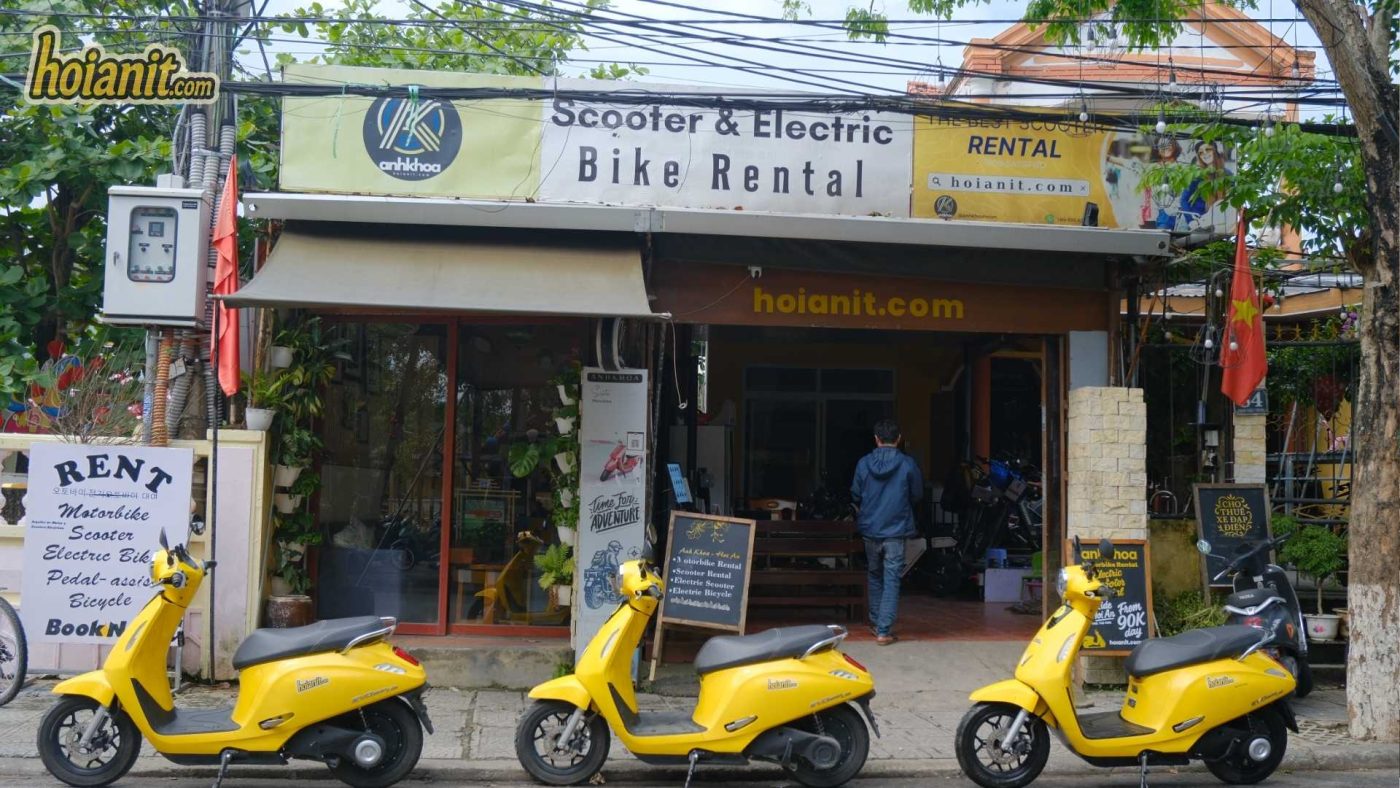
Send us a photo of your IDP’s category page and we will tell you which bikes you can ride legally, before you pay anything. No-license 50cc and electric options start at 100,000₫ a day, with helmets included. If you are stopped and lost for words, call us and hand over the phone; the 24/7 roadside line is +84 766 766 087.
Tips to avoid fines when riding in Vietnam: FAQ
What are the most common traffic fines for tourists in Vietnam?
Riding without a valid license (2,000,000–4,000,000₫ for bikes up to 125cc), an open or missing helmet (400,000–600,000₫), holding a phone while riding (800,000–1,000,000₫), and running a red light (4,000,000–6,000,000₫). Lights off after dark and parking on the pavement are close behind.
Can I ride a 50cc scooter in Vietnam without a license?
Yes, if it is a genuine 50cc moped, or an electric bike of up to 4 kW with a top speed of 50 km/h, and you are 16 or older. Helmet, phone, alcohol and speed rules still apply, and the speed limit for these bikes is 40 km/h.
Is a US International Driving Permit valid for riding in Vietnam?
No. The AAA permit is issued under the 1949 Geneva Convention, and Vietnam only recognises permits issued under the 1968 Vienna Convention. A US rider on a bike above 50cc is treated as having no license, so a no-license 50cc or electric bike is the legal option.
What is the speed limit for motorbikes in Hoi An?
In built-up areas it is 50 km/h on two-way roads and 60 km/h on divided roads, unless a sign shows less. A 50cc moped or low-power electric bike is limited to 40 km/h everywhere. Motorbikes are not allowed on expressways.
Can I pay a traffic fine to the police officer in cash?
Only fines up to 250,000₫ can be settled on the spot without a written record. Larger fines are written on a violation record and paid at a bank, the State Treasury or online. Offering cash to avoid a fine is a separate offence.
Can a camera fine reach me after I return my rental bike?
Yes. Camera fines are issued against the number plate, so the notice goes to the registered owner, usually the rental shop, sometimes weeks later. Most rental agreements make the rider liable for fines on the dates they had the bike, so ask to see the camera record if a shop contacts you.
Can I ride an electric bike into Hoi An Old Town?
Not during the walking-street hours: 09:00–11:00 and 15:00 until 21:00 or 21:30, with Phan Chau Trinh street closing from 17:30. Electric bikes have a motor and are treated like motorbikes. Pedal bicycles are allowed at all times.
Do I need my headlight on during the day in Vietnam?
No. Lights are required from 18:00 to 06:00 and whenever rain, fog, smoke or dust reduces visibility. Riding without them in those conditions costs 200,000–400,000₫.
More on the rules: do you need an IDP to ride in Vietnam · renting a motorbike in Hoi An without a license · do you need a license to ride a motorbike in Hoi An.

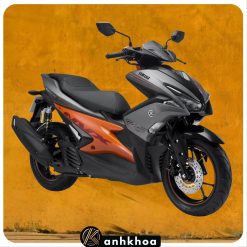
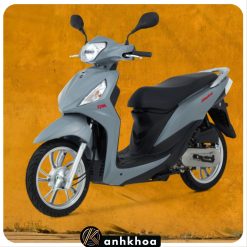


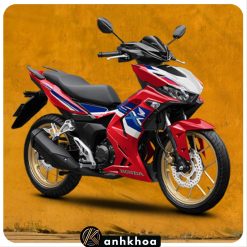
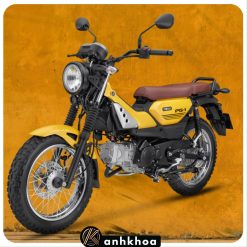
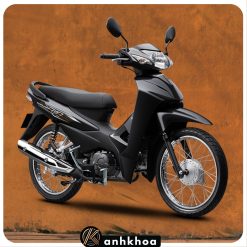

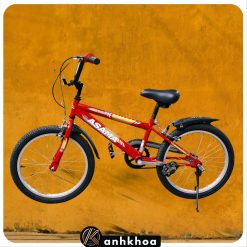

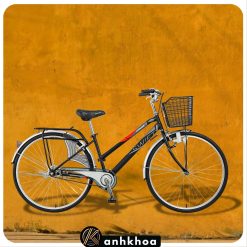
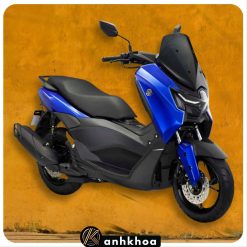
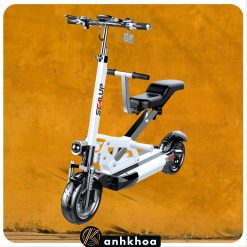
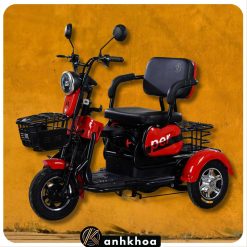
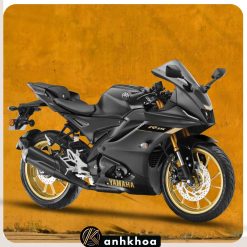
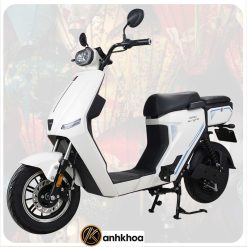
Bikes Rental


More Bike Options in Hoi An
E-Bike · No license









Pick your ride in Hoi AnChọn xe cho chuyến đi Hội An
Scooters, electric bikes and bicycles from one shop in the Old Town — delivered to your hotel, helmets and roadside help included.Xe máy, xe điện và xe đạp — giao tận khách sạn, kèm hai nón bảo hiểm và hỗ trợ dọc đường.
Not sure which one fits? Message us on WhatsApp and we’ll recommend a bike for your plans.
Chưa biết chọn xe nào? Nhắn Zalo 0935 439 306, tụi mình tư vấn theo lịch trình của bạn.