

Hoi An Travel Tips
Custom Clothes in Hoi An: How the Tailoring Process Really Works
Custom Clothes in Hoi An: How the Tailoring Process Really Works
Getting custom clothes in Hoi An takes 24 to 72 hours and two or three fittings. This is the step-by-step version: what to bring, what to check at each fitting, and how to get it all home.
Hoi An has been dressing visitors for decades, and the routine is so polished that it can feel like a conveyor belt. You walk in, point at a photo, get measured, and two days later you are wearing a jacket cut to your shoulders. The part nobody explains is the middle: the fittings, the small decisions, and the logistics of getting back to the shop three times in a town where the streets close to traffic twice a day.
We run a rental shop at 84 Phan Chau Trinh, in the middle of the tailoring streets, and we watch this process play out every week. This guide is about how custom clothes get made, not who makes them. If you still need to pick a shop, our ranked list of the 10 best tailors in Hoi An covers names, addresses and 2026 prices. Read that for the shortlist, then come back here for the process.
- The custom clothes process at a glance
- Before you arrive: what to bring
- Step 1: choosing a fabric that will last
- Step 2: measuring, deposit and the receipt
- Step 3: what to check at each fitting
- How long custom clothes really take
- Getting between fittings in the Old Town
- Getting your custom clothes home
- Care, alterations and reordering from home
- FAQ
The custom clothes process at a glance
Every shop has its own rhythm, but almost all custom clothes in Hoi An follow the same four stages. The table below is the version we would give a friend arriving on a Monday and leaving on a Thursday.
| When | Stage | Time in the shop | What you actually do |
|---|---|---|---|
| Day 1, morning | Consult and fabric | 30–60 min | Show photos, feel fabrics, agree style, price and fitting times |
| Day 1, same visit | Measuring and deposit | 15–20 min | Get measured, pay a deposit, take a photo of the receipt |
| Day 2 | First fitting | 20–40 min | Try the half-finished piece, ask for changes |
| Day 2 evening or Day 3 | Second fitting and pickup | 15–30 min | Check the fixes, pay the balance, ask for a garment bag |
Two things make the difference between a good result and a disappointing one. The first is time: the more fittings you allow, the better the fit. The second is clarity on day one: a tailor can only make what you describe, and vague instructions produce generic custom clothes.

Where to go for each step
This is not a ranking. It is a starting point by type of place, so you know where each part of the process happens. Pick one or two big shops, check the fabric at the market if you like, and keep your fittings close together.
| You want | Go to | Why |
|---|---|---|
| Fabric at market prices | Hoi An Cloth Market, 01 Tran Phu | Dozens of fabric sellers under one roof; haggle and check quality bolt by bolt |
| To see real silk being made | Hoi An Silk Village, 28 Nguyen Tat Thanh | Silkworms to loom in one visit, 1.7 km from the Old Town |
| A suit or coat with several fittings | Kimmy Tailor, 70 Tran Hung Dao · Bebe Tailor, 05–07 Hoang Dieu | Large workshops used to multi-fitting orders and repeat customers |
| Silk dresses and ao dai | A Dong Silk, 62 Tran Hung Dao · Yaly Couture, 47 Tran Phu | Long-running shops with a wide range of silk and womenswear |
| Shoes or leather to match | See our Hoi An shoemakers and leather shops guides | Order early: shoes and leather need their own fitting |
For addresses, phone numbers, reviews and 2026 prices of these shops and more, see our full ranking of the 10 best tailors in Hoi An.
Before you arrive: what to bring
The best custom clothes in Hoi An start before you land. Tailors here copy brilliantly, so the strongest brief you can give them is a garment that already fits you well. A favourite shirt, a pair of trousers with the perfect rise, a dress whose neckline you love: pack it. Shops can take patterns from a real garment far more reliably than from a screenshot.
- One garment that fits well. The single most useful thing you can bring. Wear it to the first visit.
- Photos from several angles. Front, back and side, saved offline on your phone. A single catalogue image hides the back seam, the pocket style and the lining.
- The shoes you will wear. Trouser length depends on heel height. Bring the actual pair, or at least note the heel in centimetres.
- A rough list. Decide in advance how many pieces you want. Most regrets come from ordering eight items on impulse and wearing two.
- Space in your bag. Or a plan to ship. See section 8.
Ask yourself one question before ordering: “Where will I wear this at home?” Linen shirts for a hot summer and a wedding suit you already need are great orders. A heavy winter coat for a climate you only visit once a year usually ends up at the back of the wardrobe.
Step 1: choosing a fabric that will last
Tailors in Hoi An can sew almost anything, but the fabric decides how long your custom clothes survive. This is where most of the price difference between a $40 shirt and a $90 shirt comes from, and it is the step people rush. Spend your time here.
| Fabric | Good for | Watch out for | Quick check in the shop |
|---|---|---|---|
| Linen | Shirts, summer trousers, dresses | Creases easily, can shrink on first wash | Ask if it has been pre-washed |
| Cotton | Everyday shirts, chinos | Thin cotton turns see-through in white | Hold it up to the light |
| Silk | Dresses, ao dai, blouses, ties | Polyester “silk” is common and cheap | Ask for a burn test on a thread |
| Pure wool | Suits you will wear for years | Warm for Vietnam, pricier | Scrunch it: good wool springs back |
| Wool blend | Work suits, travel suits | Low-wool blends shine with wear | Ask for the percentage on the bolt label |
| Polyester | Costumes, one-off events | Traps heat, pills over time | Feels slippery and warms slowly in the hand |
The silk burn test is worth knowing. Real silk burns slowly, smells like singed hair and leaves a crumbly ash. Polyester melts into a hard bead and smells of plastic. Good shops will do it for you on a loose thread without being asked twice; a shop that refuses is telling you something.
The cloth market option
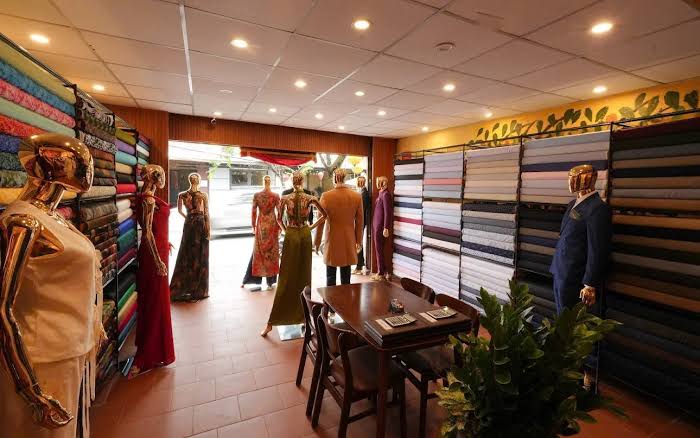
If you want to choose fabric yourself, the Hoi An Cloth Market (Chợ Vải Hội An) sits at 01 Tran Phu, at the eastern end of the Old Town near the central market. It is packed with fabric sellers and small tailor stalls under one roof. Prices are lower and haggling is normal, but quality varies stall to stall, so the fabric checks above matter more here. Many shops will also sew fabric you bring in; ask about any extra charge before you agree.
Where the silk actually comes from
For context on the silk itself, the Hoi An Silk Village at 28 Nguyen Tat Thanh is 1.7 km from our shop, about six minutes by bike. Set up in 2012, it walks you through mulberry trees, silkworms, reeling and handloom weaving, and entry is around 50,000₫. It is the easiest place to see the difference between hand-reeled silk and the shiny bolts on Tran Phu, which makes you a much sharper buyer the next morning. If you want to go further, the much older silk-weaving village of Ma Chau is part of our craft villages loop by motorbike.
Step 2: measuring, deposit and the receipt
Once style and fabric are agreed, the tailor takes your measurements. Expect a tape around your chest, waist, hips, neck, arms, back width and inside leg, and often a few more for the slope of your shoulders or the drop of a skirt. Stand naturally. Holding your stomach in or puffing your chest out is the fastest way to get a jacket that only fits when you are posing.
Then comes the deposit. Most shops ask for part of the price up front, often somewhere between a third and a half, with the balance at pickup. That is normal and fair, since the shop is cutting fabric for you.
Before you leave the first visit, make sure your receipt lists every item, the fabric, the agreed price, the deposit paid and the fitting times. Take a photo of the receipt and of a fabric swatch. If anything goes wrong later, that photo is the whole conversation.
Ask one more question here: “Will you keep my measurements?” Many shops store them on a card or in a file. That small detail is what makes reordering custom clothes from home possible later.
Step 3: what to check at each fitting
The fitting is where custom clothes become yours. At the first fitting the piece is often loosely stitched, sometimes without sleeves or a finished hem, so the tailor can still move seams. This is your moment to speak up. Small changes are easy now and hard after the final stitching.
Wear what you will wear with the garment: the right shoes, the right underlayer, a belt if you use one. Then move. Sit down, raise your arms, reach for something on a shelf, walk a few steps. A suit that looks perfect while you stand still in front of a mirror can pull across the back the moment you drive or type.
| Garment | Check this | Good sign |
|---|---|---|
| Jacket | Shoulder seam, collar, sleeve length | Seam ends at your shoulder bone, collar hugs your shirt collar, a little shirt cuff shows |
| Trousers | Waist, seat, length with your shoes | No pulling at the pockets, a light break on the shoe |
| Shirt | Collar, chest buttons, cuff | Two fingers fit in the buttoned collar, no gaping between buttons |
| Dress | Bust, waist, zip, hem | Zip runs smoothly, you can sit without the hem riding up |
| Ao dai | Collar height, side slits, sleeve | Slits start at the waist, collar is snug but lets you swallow |
Most staff in tourist shops speak good English, but a few Vietnamese words go a long way, especially at a busy market stall:
| Vietnamese | Meaning | Use it when |
|---|---|---|
| chật | tight | something pulls or pinches |
| rộng | loose | there is too much fabric |
| ngắn / dài | short / long | sleeves or hems |
| sửa lại | alter it again | you want another round of changes |
| vừa rồi | it fits now | you are happy and ready to collect |
The second fitting is the one that turns a good copy into a garment that fits you. Do not trade it for an extra hour at the beach.
How long custom clothes really take
Simple pieces can be ready the same day, and shops will promise suits in 24 hours. It is possible, but the honest rule is that every extra day buys you an extra fitting.
- 24 hours: one fitting and pickup. Fine for shirts, simple dresses and linen trousers.
- 48 hours: two fittings and pickup. The sweet spot for most orders, including suits.
- 72 hours: room for a third fitting, coats, lined jackets, and fixing anything that went wrong.
Order your most complex piece first and the simple ones last, so the hard item gets the most fitting rounds. If you have only one full day, stick to shirts and summer pieces. Our tailor ranking has a day-by-day breakdown of how many days each type of order needs.

Getting between fittings in the Old Town
This is the part tailoring guides skip, and it is the part we know best. Three fittings across two or three shops means six or more short trips through the Old Town, often in the heat of the afternoon. How you move makes the whole thing feel either easy or exhausting.
The traffic-free hours
The Old Town core closes to motorbikes from 09:00 to 11:00 every morning and from 15:00 to 21:30 in the afternoon and evening (ending at 21:00 in winter). On Phan Chau Trinh, where many tailors sit, we see the barriers actually go up around 17:30. During those windows you park at the edge and walk the last few hundred metres; parking costs 5,000–10,000₫. Our full guide to the Old Town vehicle restriction hours maps where the barriers are.
In practice, book your fittings around those windows. A late-morning fitting at 11:30 or an early-afternoon slot before 15:00 lets you ride right up to the door. Evening fittings work too, but plan to walk.
Bicycle, e-bike or motorbike
| Option | Best for | Licence |
|---|---|---|
| Bicycle | Shops all inside the Old Town, cool mornings | None |
| Electric bicycle | Hot afternoons, carrying shopping bags | None |
| Motorbike or e-scooter | Combining fittings with the Silk Village, beaches or craft villages | Ask us what applies to you before you ride |
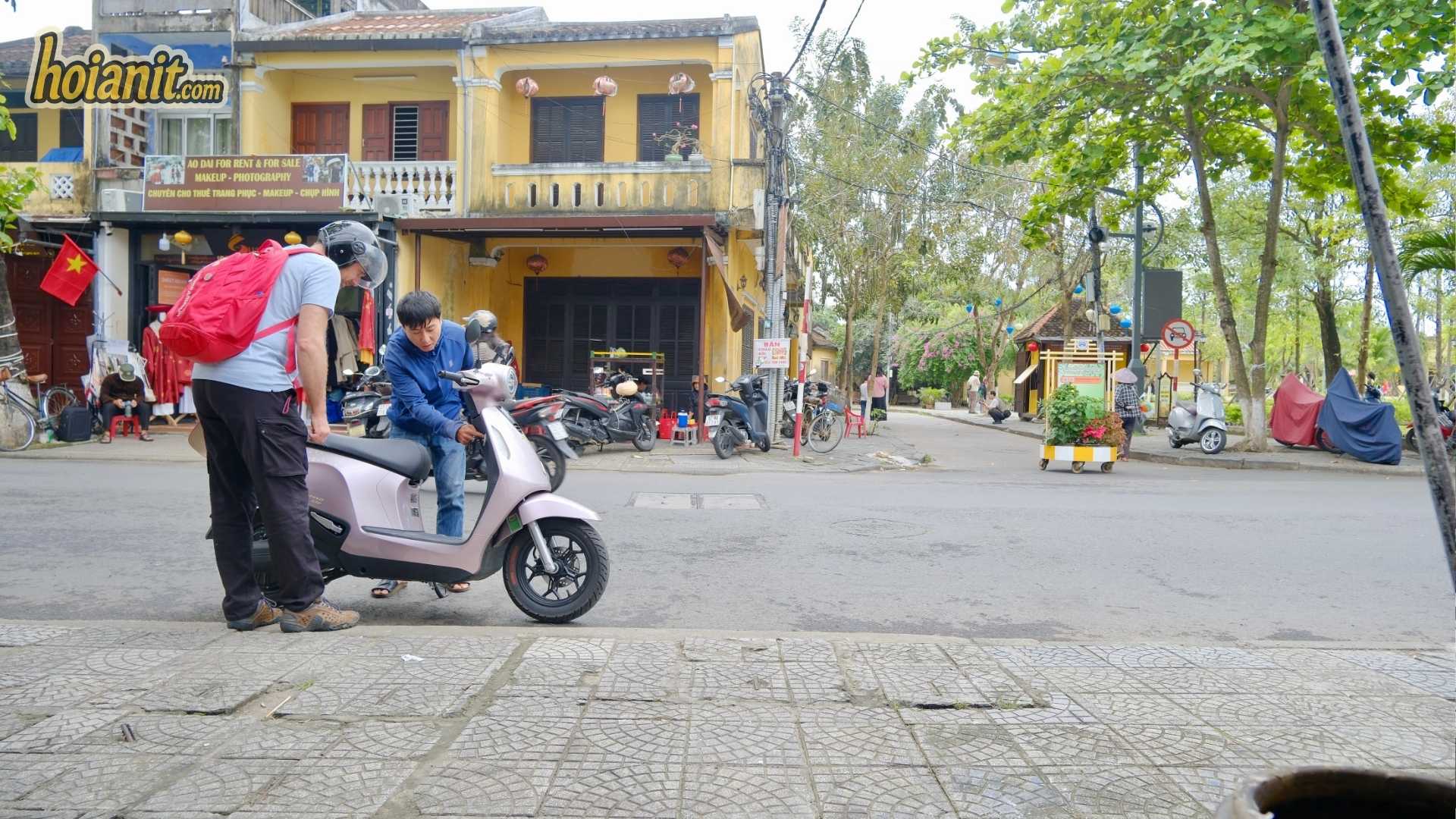
A bicycle is enough if every shop is inside the Old Town. If you also want to see the Silk Village or ride out to An Bang between fittings, a motorbike from our shop turns a tiring day of walking into an easy loop.
October to December: build in a buffer day
If you are visiting in the rainy season, add a spare day. The Hoi An flood season runs from late October into mid-December, and riverside streets such as Bach Dang flood first. Shops close for a day when the water comes in, then reopen as it drops. A buffer day means a flood never costs you your final fitting. Pack a light rain poncho too, and ask the shop to bag your finished custom clothes in plastic for the ride back.
Getting your custom clothes home
The last problem is a happy one: you have more clothes than suitcase. You have three realistic options.
| Option | Typical cost | Time | Best when |
|---|---|---|---|
| Carry it | A cheap extra bag from the market | Arrives with you | A few pieces, or you have spare baggage allowance |
| Tailor ships by courier | Roughly $50–100 | About a week | Large orders, or a piece is not finished when you leave |
| Post office (EMS) | Roughly $30–50 | 2–3 weeks | You are not in a hurry and want to save money |
Courier and postal prices depend on weight, destination and the courier’s own rates, so treat these as ballpark figures quoted by Hoi An tailors and ask your shop for a real quote. Import duty is set by your own country, not by Vietnam; check your customs allowance before shipping expensive pieces.
Packing tip: ask for suits to be folded inside out with tissue in the shoulders, and for shirts to come on card with collar stays. Hang everything as soon as you arrive home, and steam rather than iron silk.
Care, alterations and reordering from home
Custom clothes from Hoi An are not delicate, but they repay a little care. Dry clean wool suits sparingly, wash linen cold the first time, and hand-wash silk or ask a dry cleaner who handles it. A local alterations tailor at home can fix small issues such as sleeve length cheaply, so do not panic if one cuff needs a tweak after travel.
The best reason to choose a shop that keeps your measurements is reordering. Many Hoi An tailors now take repeat orders by WhatsApp or email: you send a photo of what you want, they use your stored pattern, and the piece arrives by courier. It works best for items you have already been fitted for, such as a second suit in a different colour or a few more shirts. Ask before you leave whether your shop does this, and save their number.

Need wheels for your fittings?
We rent bicycles, electric bicycles, scooters and motorbikes from 84 Phan Chau Trinh, right among the tailor streets, with 300+ bikes in the fleet. Delivery to your hotel starts from 30,000₫. Deposit is 2,000,000₫, a passport copy, or a photo of your passport.
FAQ
How long does it take to get custom clothes made in Hoi An?
Simple pieces such as shirts or summer dresses can be ready in 24 hours with one fitting. Suits and lined jackets are better with 48 to 72 hours, which gives time for two or three fittings and any fixes.
How many fittings do I need for custom clothes in Hoi An?
Plan for two. One fitting is possible for simple items, but the second fitting is where small problems at the shoulders, waist and hem get fixed. Complex pieces like coats can need a third.
What should I bring to a Hoi An tailor?
Bring one garment that already fits you well, photos of the style you want from several angles, and the shoes you will wear with the piece. A tailor can copy a real garment much more accurately than a single photo.
How can I tell if the silk is real?
Ask for a burn test on a loose thread. Real silk burns slowly, smells like burnt hair and leaves soft ash. Polyester melts into a hard bead and smells like plastic. A reputable shop will do the test for you.
Can Hoi An tailors ship my clothes home?
Yes. Many tailors ship by courier, typically around $50 to $100 and about a week door to door, or through the post office for less money but two to three weeks. Ask your shop for an exact quote, and check your own country’s import duty rules.
How do I get around Hoi An between tailor fittings?
Walk or cycle if every shop is in the Old Town. The core closes to motorbikes from 09:00 to 11:00 and from 15:00 to 21:30, so book fittings outside those hours if you want to ride to the door. An electric bicycle or motorbike makes it easy to combine fittings with the Silk Village or the beach.
Is it a good idea to get clothes tailored in Hoi An during the rainy season?
Yes, but add a buffer day. From late October to mid-December, floods can close riverside streets and some shops for a day. A spare day means a flood will not cost you your final fitting.
How we wrote this: the process, timings and fitting advice come from what we see every week at our shop on Phan Chau Trinh, cross-checked with reporting from VnExpress, Znews and Bao Van Hoa, which put the number of garment businesses in Hoi An at close to 350. Distances were measured on Google Maps from 84 Phan Chau Trinh. Shipping costs are ballpark figures published by Hoi An tailors and will vary. Silk Village details: VietNamNet. Want a guided craft or silk experience? Browse Hoi An tours on GetYourGuide. Disclosure: that last link is an affiliate link; we may earn a small commission at no extra cost to you. We do not run tours or own a tailor shop.
More Bike Options in Hoi An
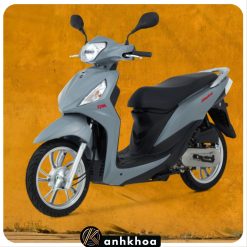
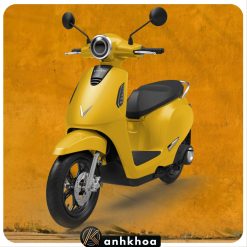
E-Bike · No license










Pick your ride in Hoi AnChọn xe cho chuyến đi Hội An
Scooters, electric bikes and bicycles from one shop in the Old Town — delivered to your hotel, helmets and roadside help included.Xe máy, xe điện và xe đạp — giao tận khách sạn, kèm hai nón bảo hiểm và hỗ trợ dọc đường.
Not sure which one fits? Message us on WhatsApp and we’ll recommend a bike for your plans.
Chưa biết chọn xe nào? Nhắn Zalo 0935 439 306, tụi mình tư vấn theo lịch trình của bạn.