
 About Us
 Refund & Return Policy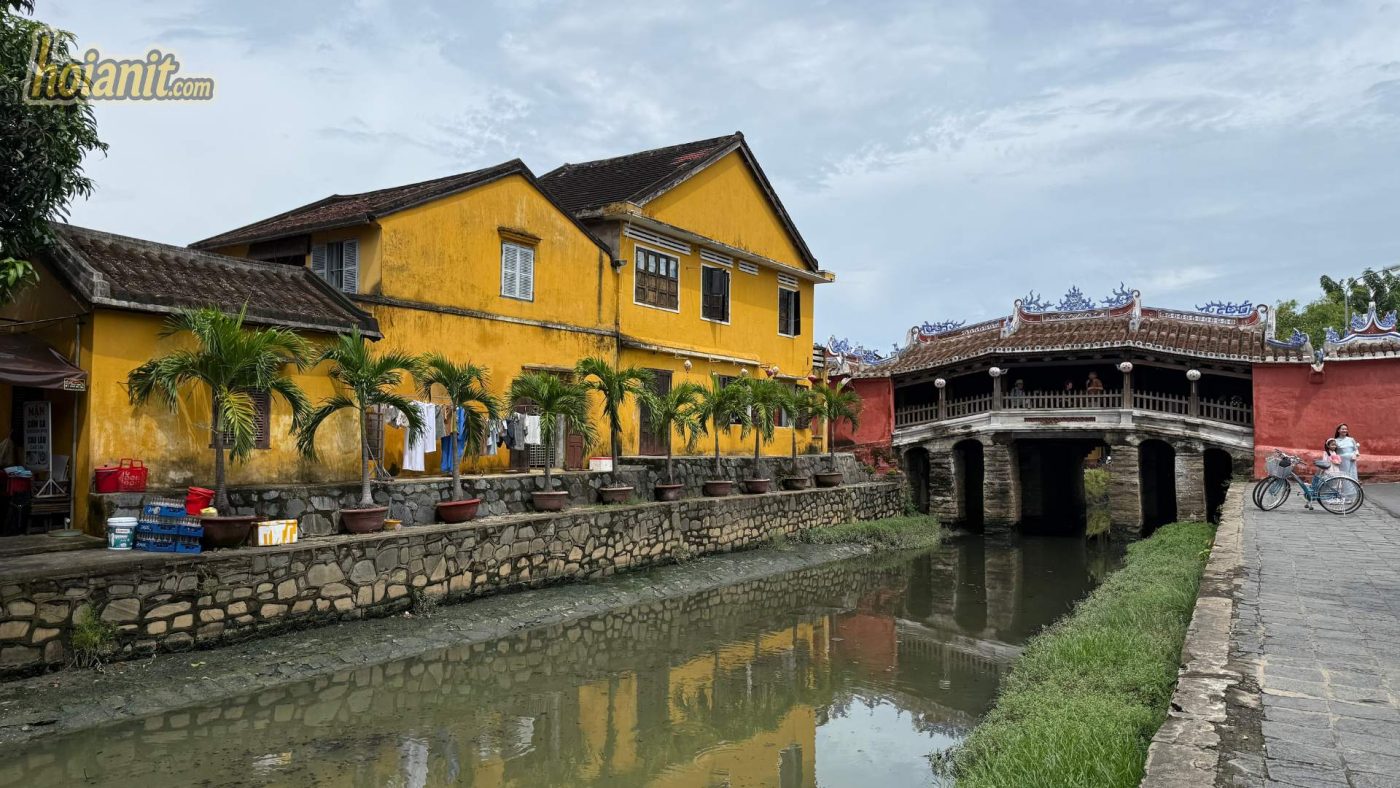
Useful Information
Japanese Covered Bridge Hoi An – Full Travel Guide, History
Introduction to the Japanese Covered Bridge
The Japanese Covered Bridge Hoi An (locally called Chùa Cầu) is one of the most recognizable landmarks in Vietnam. Built in the late 16th century, the bridge is more than just a crossing – it is a symbol of cultural harmony between Japan, China, and Vietnam.
Its importance is so great that you will even find the bridge featured on the Vietnamese 20,000 VND banknote. Today, it remains the soul of Hoi An Ancient Town, attracting thousands of visitors every year.
History of the Bridge
The bridge was constructed around 1593 by Japanese merchants who lived in Hoi An, then a bustling international trading port. Its purpose was to connect the Japanese and Chinese quarters, making trade and travel easier.
In 1719, Lord Nguyen Phuc Chu ordered the addition of a small pagoda in the middle of the bridge, which was given the name Japanese Covered Bridge (Chùa Cầu). In 1990, it was officially recognized as a National Historic and Cultural Relic.
Most recently, from 2022 to 2024, the bridge underwent a major restoration, reopening in August 2024. This restoration preserved its original structure while strengthening it for the future.
Unique Architecture
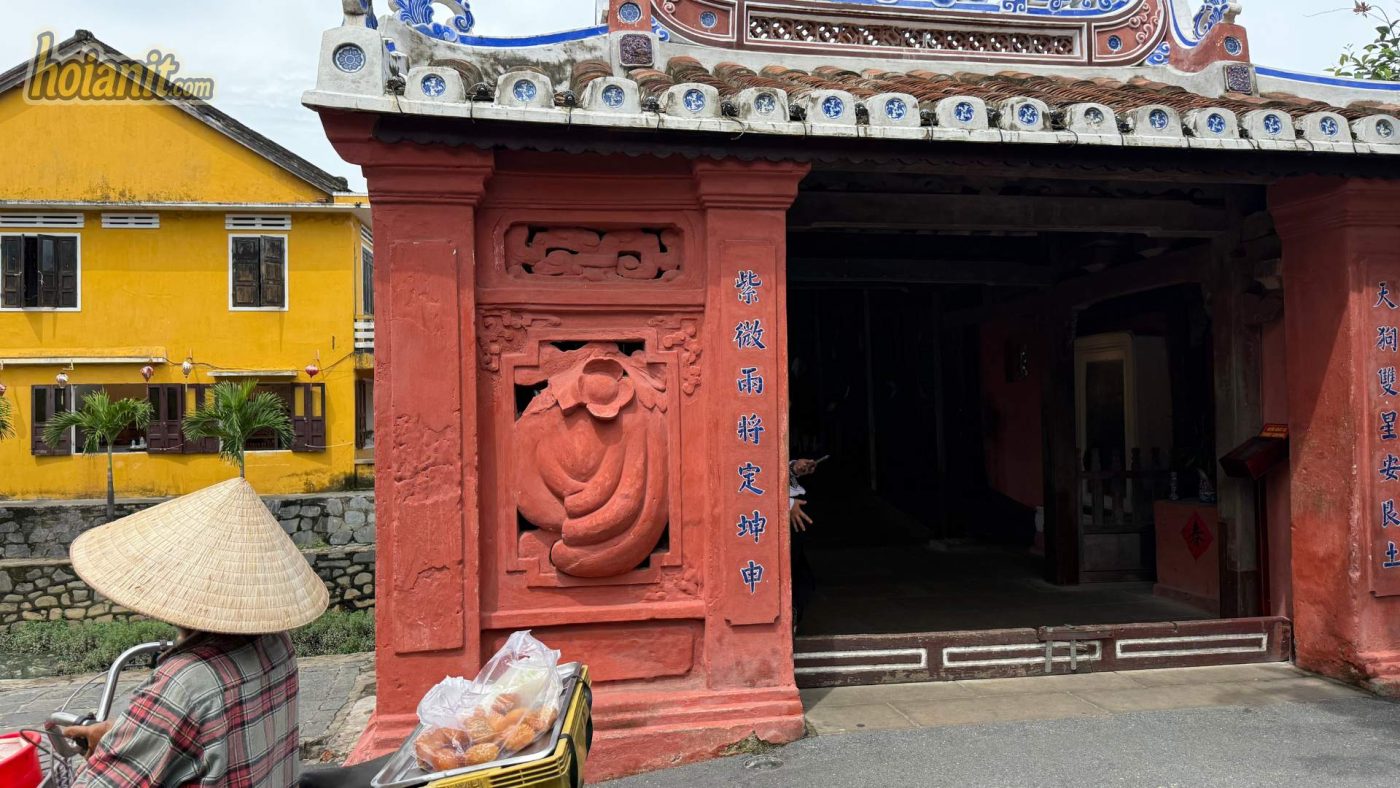
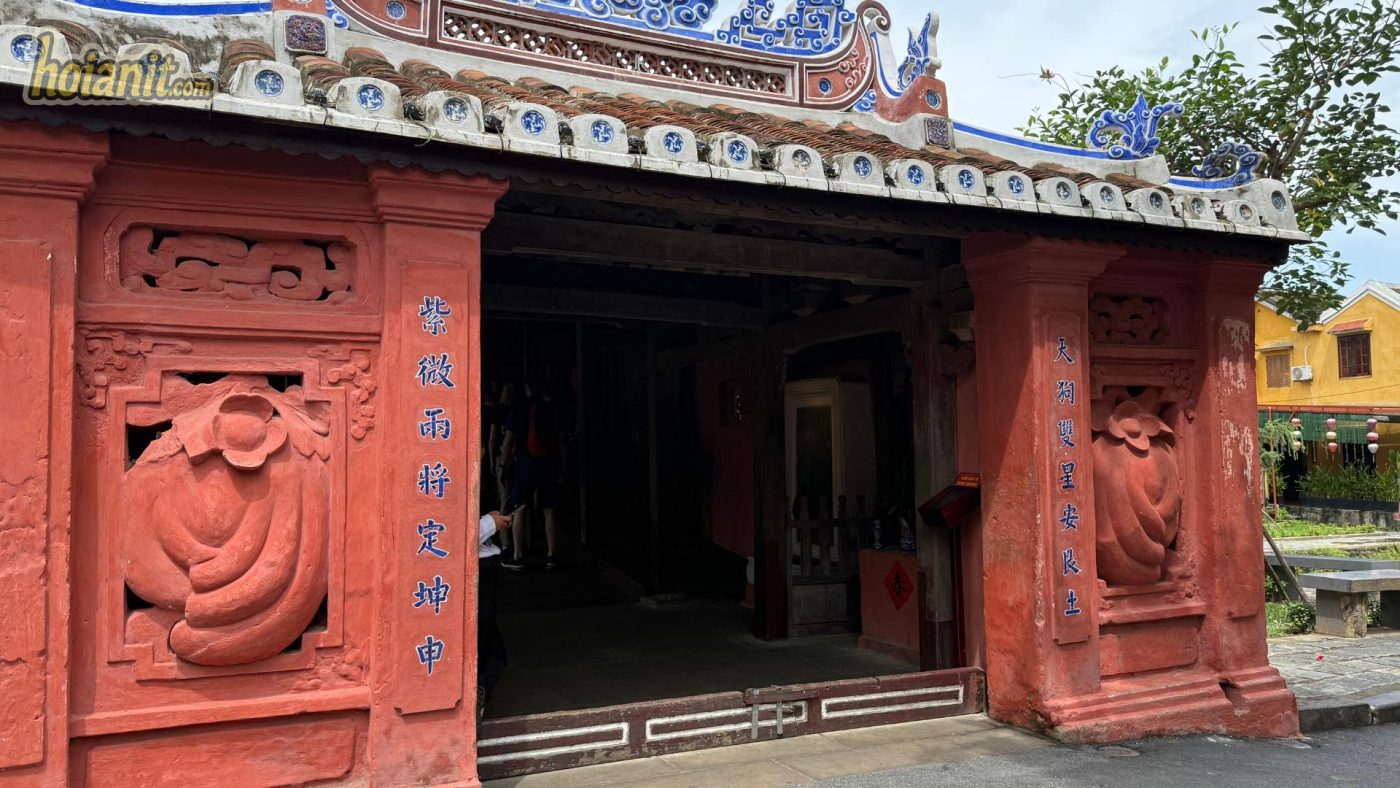
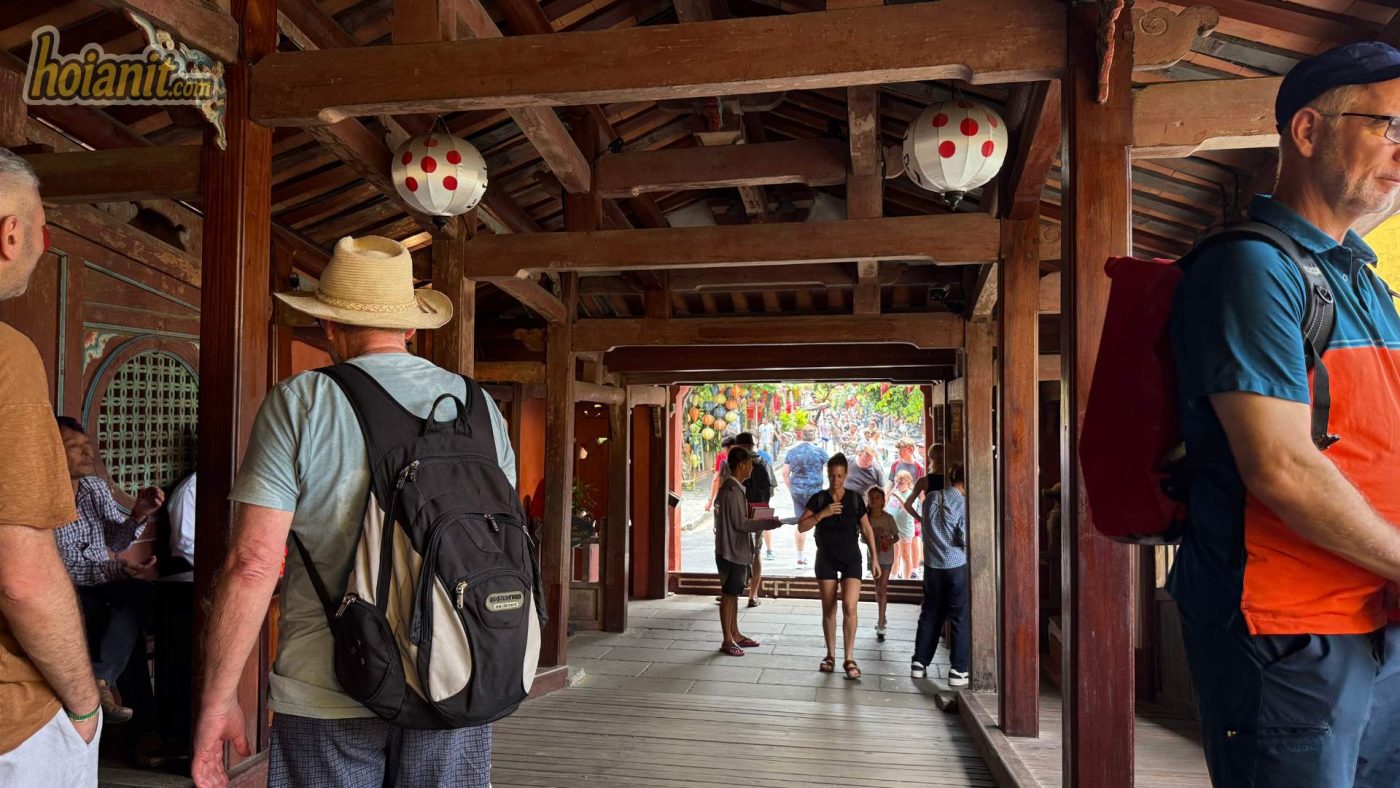
The Japanese Covered Bridge in Hoi An is about 18 meters long and 3 meters wide, with a wooden floor, stone piers, and a tiled roof. The architectural style blends Japanese structure, Vietnamese roofing, and Chinese decorative details.
Special highlights include:
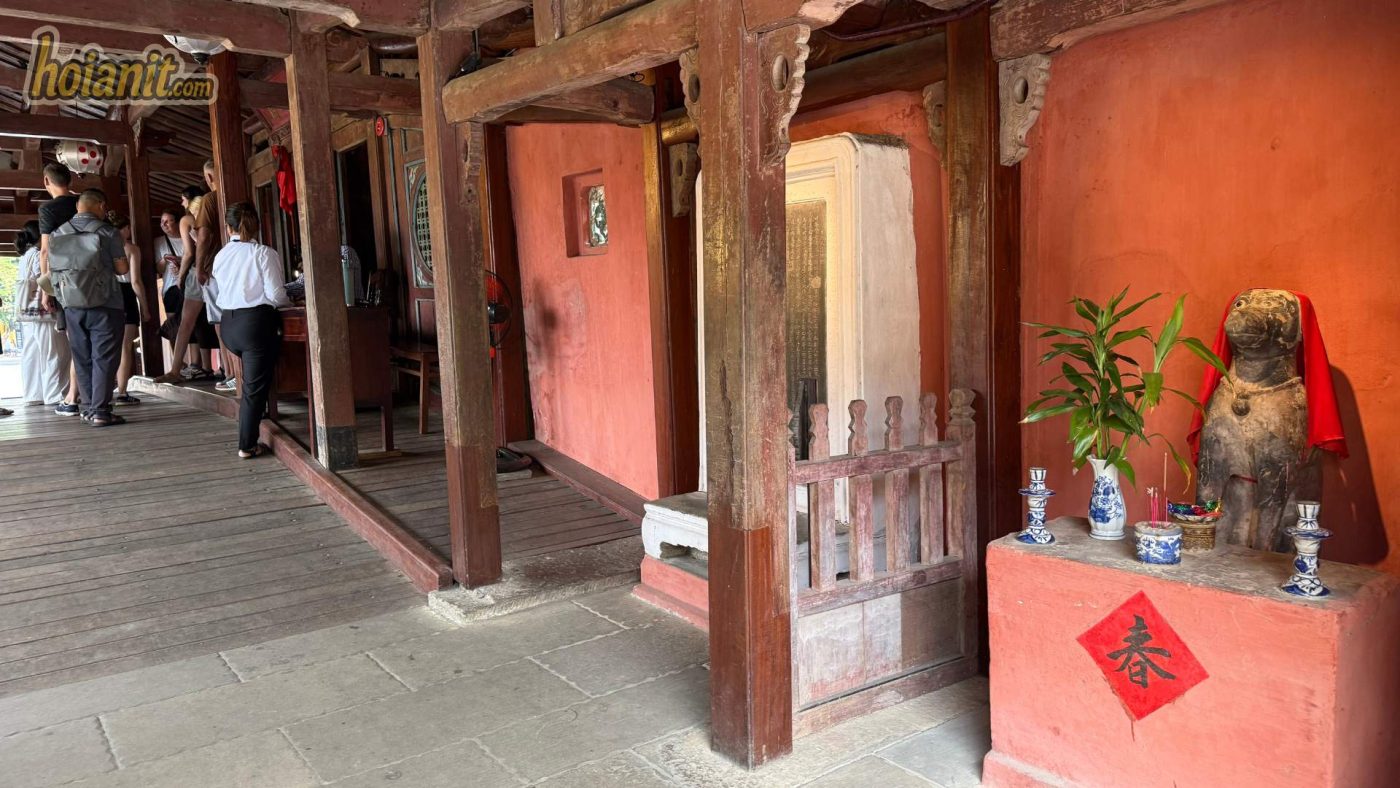
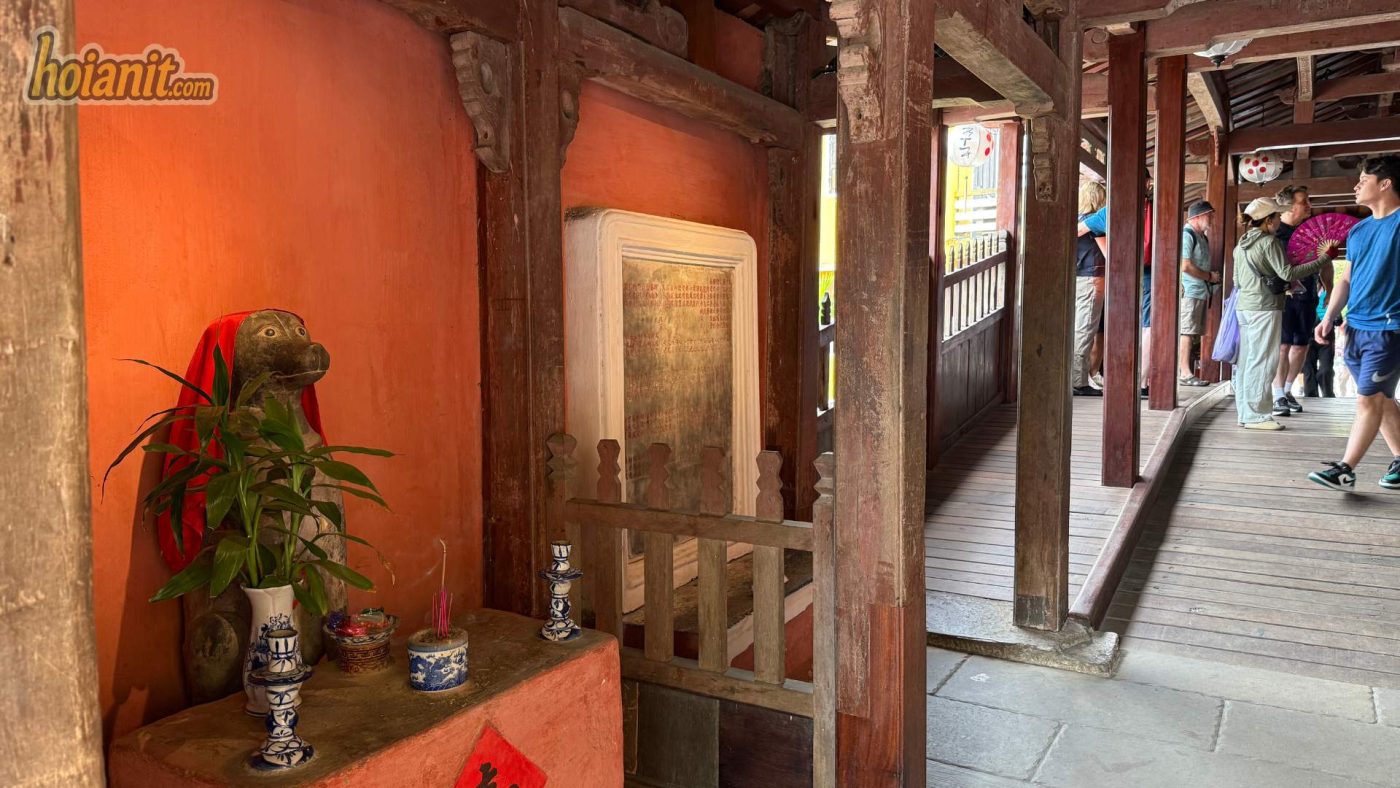
- Statues of a dog and a monkey at either end symbolize guardianship.
- A small shrine in the middle is dedicated to Tran Vo Bac De, a Taoist deity.
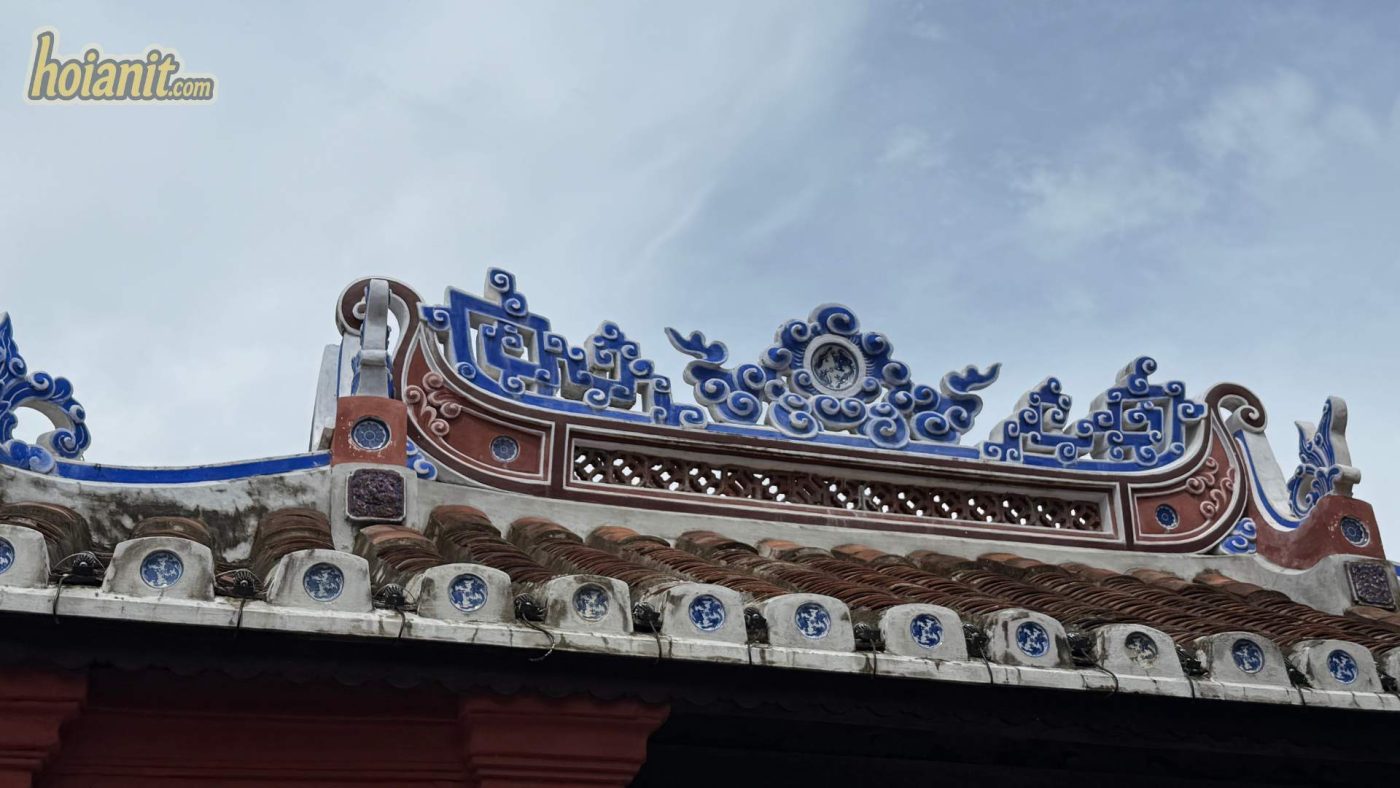
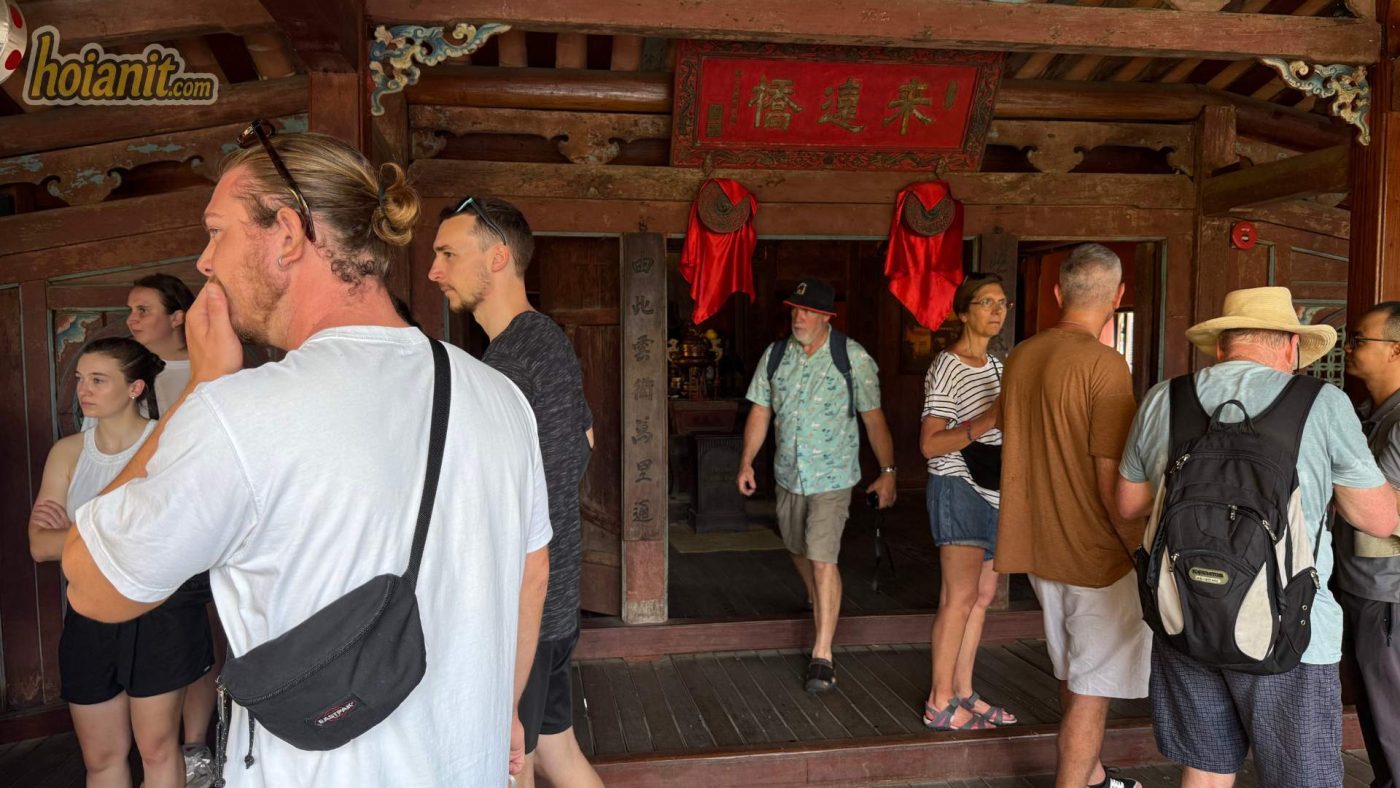
- Intricate carvings of dragons, clouds, and Chinese characters along the beams and roof.
This blend of styles makes the bridge a unique architectural masterpiece and a true reflection of Hoi An’s multicultural past.
Legends and Symbolism
According to Japanese legend, a giant sea monster called Namazu lived under the earth. Whenever it moved, earthquakes and floods would strike. The bridge was believed to act like a sword, pinning down the monster and protecting the town.
Because of this legend, the Japanese Covered Bridge is considered not only a historical monument but also a spiritual guardian of Hoi An.
Opening Hours, Entrance Fee & Location
- Opening Hours:
- Morning: 9:00 – 11:00
- Afternoon & Evening: 15:00 – 22:00
- Entrance Fee:
- Vietnamese visitors: 80,000 VND
- International visitors: 150,000 VND (The ticket covers several attractions within Hoi An Ancient Town, including the Japanese Bridge.)
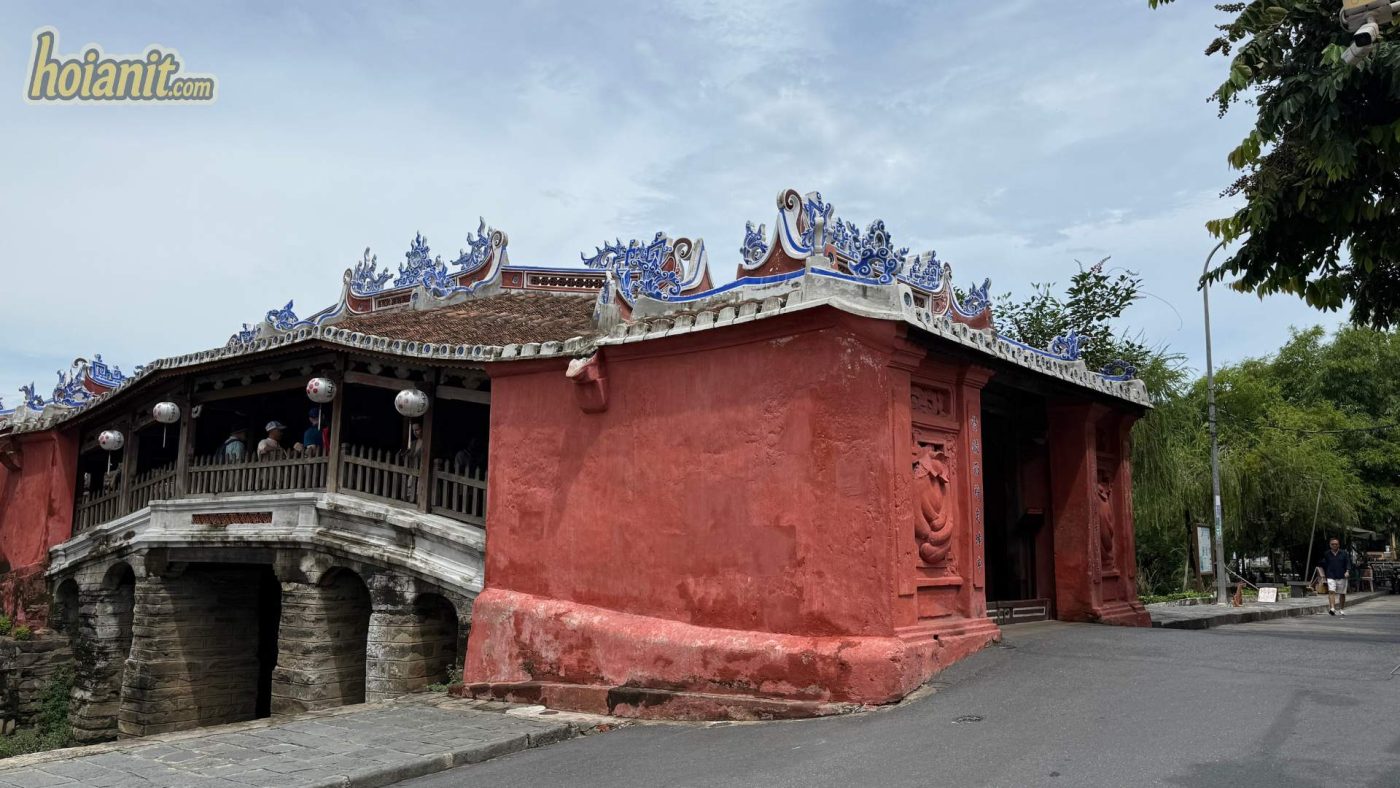
- Address: 186 Tran Phu Street, Minh An Ward, Hoi An, Quang Nam Province, Vietnam.
Best Time to Visit & Travel Tips
The bridge looks most beautiful in the evening, when Hoi An Ancient Town is lit up by colorful lanterns. Vehicles are not allowed inside the Ancient Town, so you must walk or cycle.
It is recommended to wear light clothes and comfortable shoes, as the narrow streets are best explored on foot. For photography, the best shots are taken from the riverbank or from the streets opposite the bridge.
Explore Hoi An with Motorbike, E-scooter & Bicycle Rentals
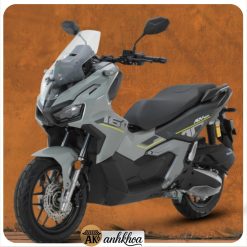
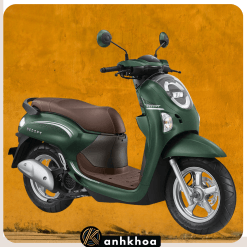
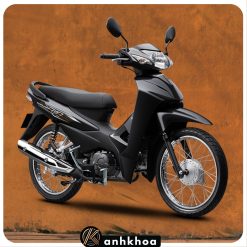
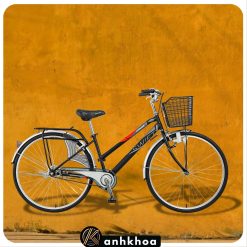
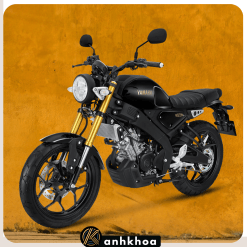
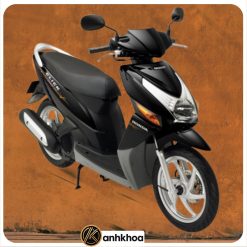
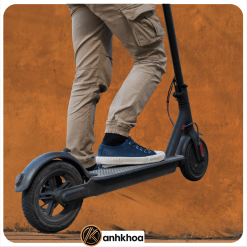
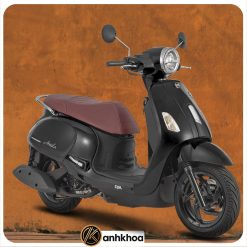
To fully enjoy Hoi An and beyond, the best way to travel is with your own ride. From the Ancient Town to An Bang Beach, Cua Dai, Marble Mountains, Hai Van Pass, or even Hue, you’ll need flexibility.
At Anh Khoa Hoi An, you can rent:
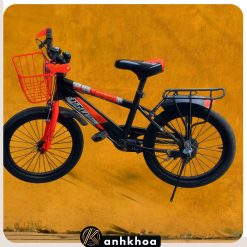
- 🚲 Bicycles – perfect for exploring the Ancient Town.
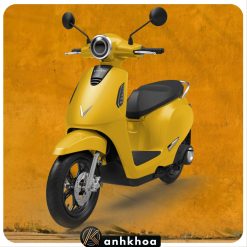
- ⚡ E-bikes & electric scooters – eco-friendly and convenient.
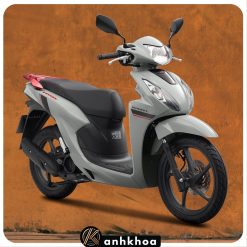
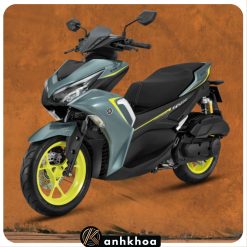
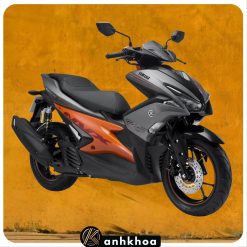
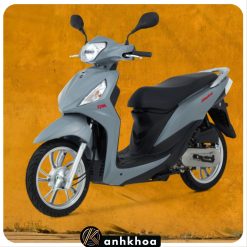
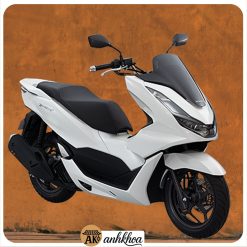
- 🛵 Motorbikes – ideal for longer trips to Da Nang, Hai Van Pass, or Hue.
👉 Book online at hoianit.com to get up to 30% OFF and enjoy motorbike free delivery to your hotel, homestay, or resort.







FAQ – Japanese Covered Bridge Hoi An
When was the Japanese Covered Bridge built?
Around 1593 by Japanese merchants.
Do I need a ticket to enter the bridge?
Yes. It’s included in the Ancient Town entrance ticket (80,000 – 150,000 VND).
Who is worshipped inside the bridge?
Tran Vo Bac De, a Taoist deity who protects the town from natural disasters.
Is the bridge worth visiting at night?
Absolutely. It looks stunning when illuminated by lanterns.
Why are there statues of a dog and a monkey?
They symbolize guardianship and are tied to local legends.








Motorbike Rental
Bicycle Rental
Flowers Florist
Electric Bicycle
Electric Scooter
Dirt Bike Rental
Money Exchange