
 About Us
 Refund & Return Policy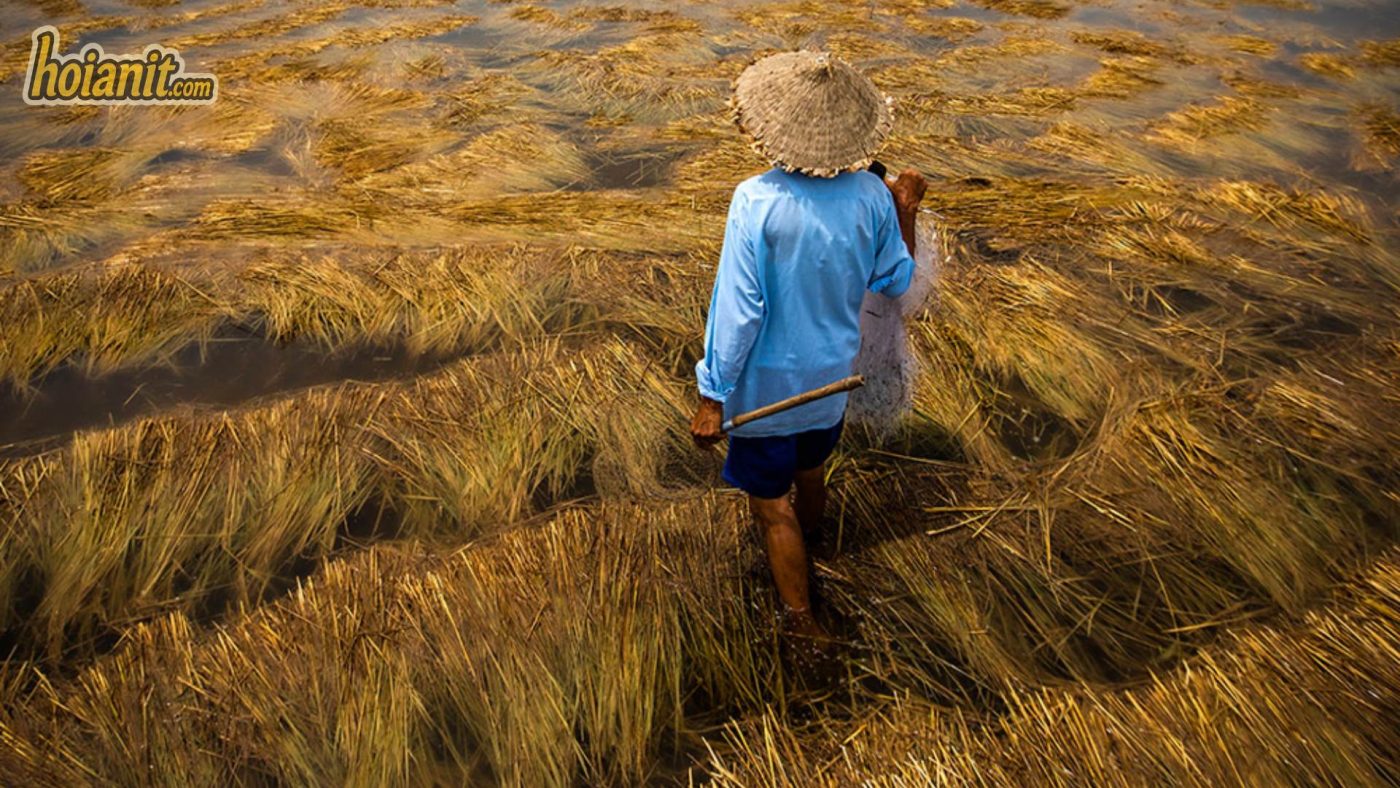
Useful Information
Exploring the Hoi An Countryside by Motorbike
Table of Contents
- Recommended Motorbike Routes & Scenic Roads
- Key Cultural Landmarks & Attractions
- Food Stops: Street Eats, Markets & Countryside Eateries
- Motorbike Rental Tips (Pricing, Paperwork & Safety Checks)
- Safety Guidelines for Riding in Việt Nam
- Suggested Itineraries for 1 to 3 Days
- Tips for Different Types of Travelers
- Budget Considerations & Cost-Saving Tips
Riding through the picturesque Hoi An countryside offers an authentic glimpse of Vietnamese rural life. Lush rice paddies, coconut groves, and tranquil rivers surround Hoi An’s Ancient Town, creating a beautiful balance between the bustling UNESCO Old Town and the quietness of typical villages just a few kilometers away. On two wheels, you can feel the cool coastal breeze, smell fresh herbs from Tra Que Village, and connect with friendly locals – engaging all your senses in a way tour buses can’t. Motorbiking here isn’t just about getting from A to B; it’s about immersing yourself in Central Vietnam’s heart.
Recommended Motorbike Routes & Scenic Roads
Hoi An’s countryside is crisscrossed with scenic roads that beckon riders to explore. Within 10 minutes of leaving the tourist center, you can be amid postcard-worthy rural scenes – farmers tending rice fields by the Thu Bon River, water buffalo wading, and coconut palms swaying overhead. Below are some of the top motorbike routes (from half-day loops to full-day adventures) that showcase the area’s natural beauty and cultural highlights:
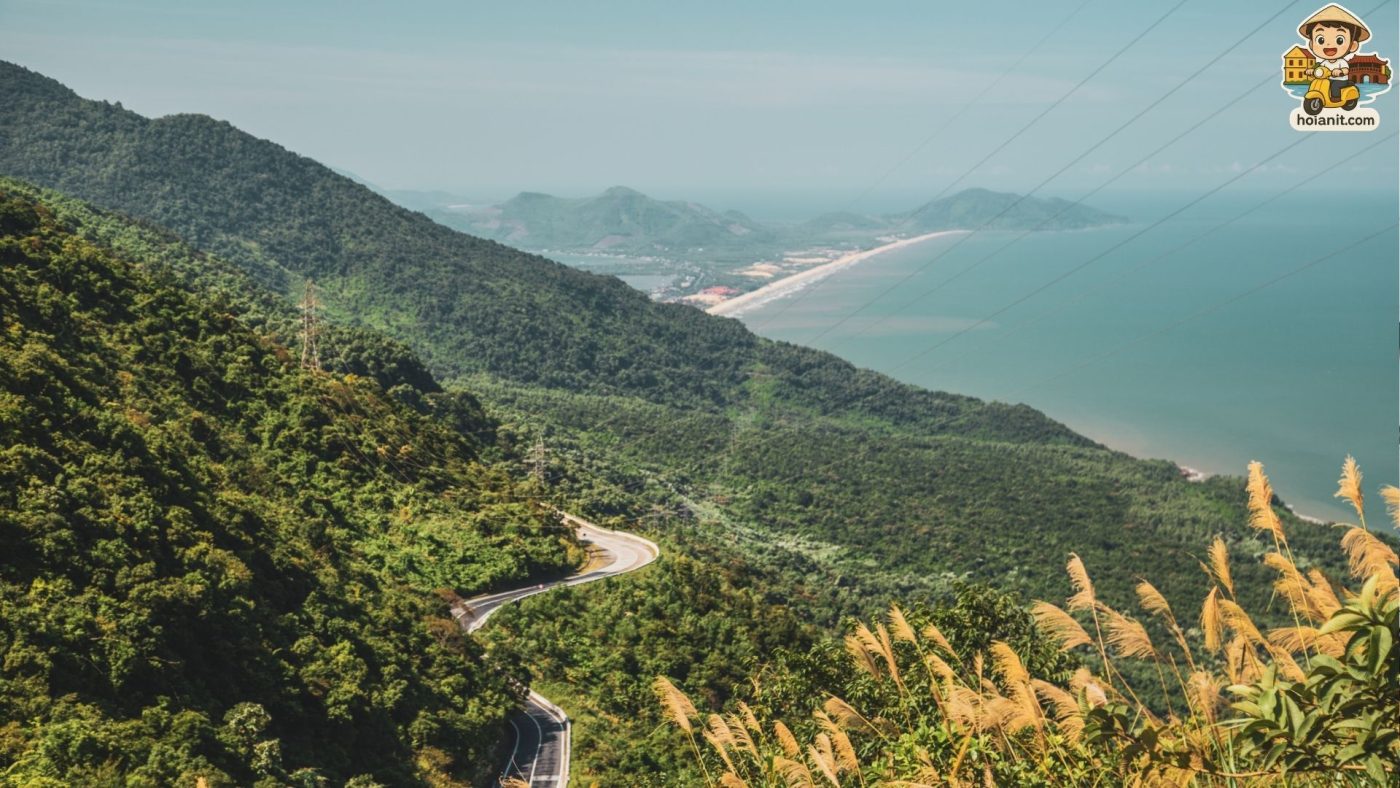
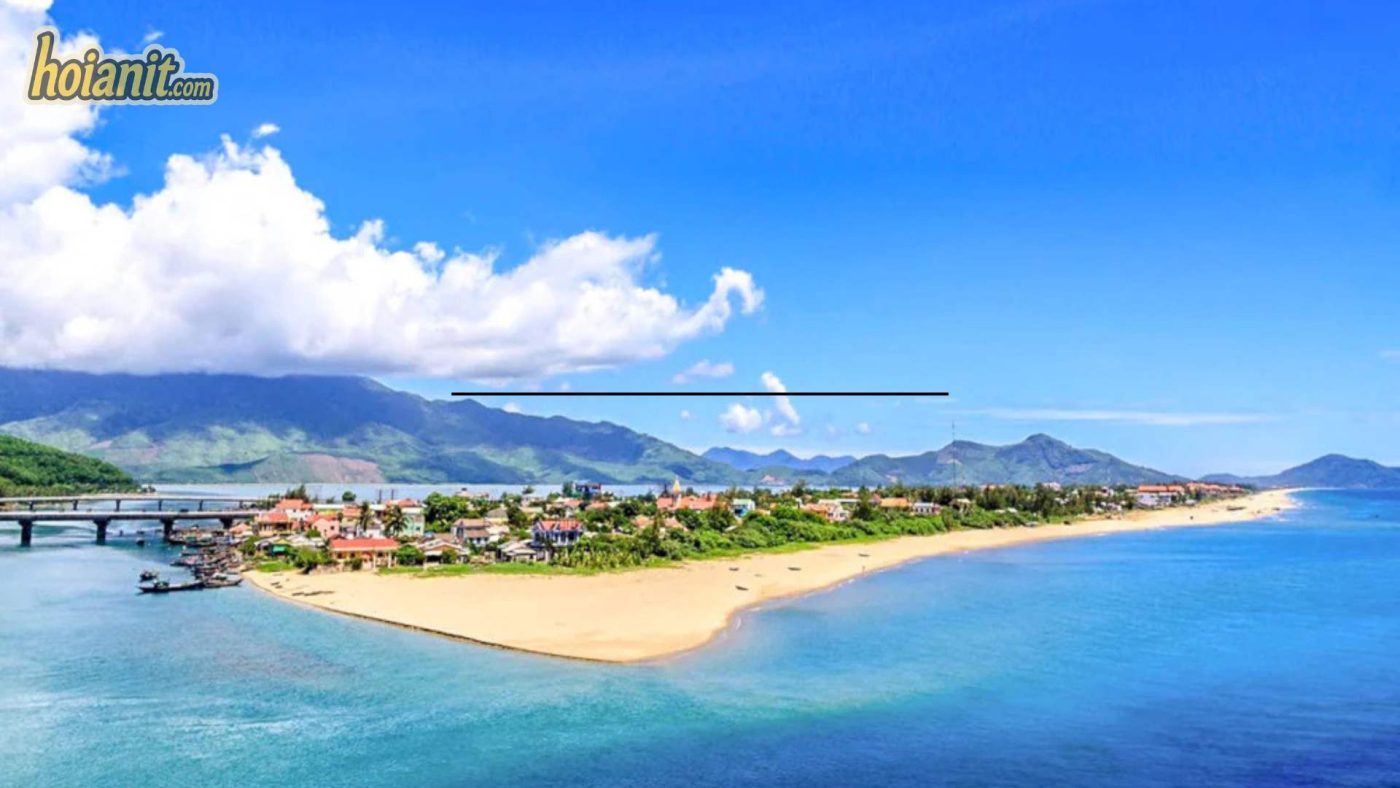
- Hoi An – Hai Van Pass – Lang Co (Full-Day Mountain & Coast Loop): This epic route takes you from Hoi An’s flat rice paddies to Danang’s coastal highway, then up the legendary Hải Vân Pass. The Hai Van mountain road offers “dramatic, cinematic views where mountains plunge into the sea,” making it one of the world’s most scenic rides. After carving through misty hairpin turns, you can descend to the pristine Lang Co Bay for a seafood lunch before looping back. (Approx. 180 km round-trip)
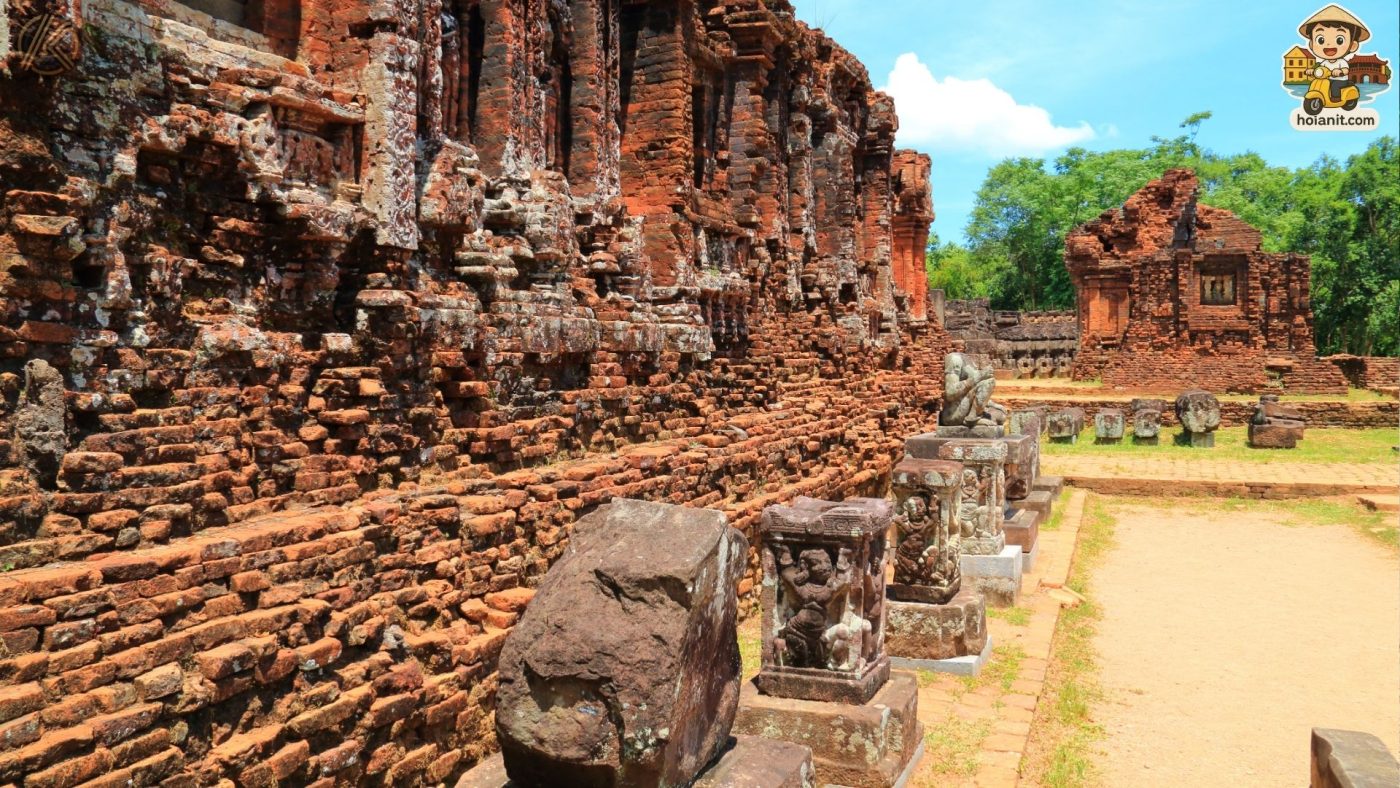
- Hoi An – My Son Sanctuary (Half-Day Cultural Ride): Head southwest on quiet back roads, trading lantern-lit streets for peaceful villages and farmland. This journey culminates at the mystical Mỹ Sơn Sanctuary, a UNESCO-listed complex of Champa Hindu temple ruins nestled in the jungle . Along the way, observe daily life in the hamlets – you’ll ride through rice paddies and perhaps stop at a local market. Tip: Leave at dawn to catch cooler weather and fewer crowds at My Son (sunrise light on the temples is magical). The ride back can wind through small lane-ways and scattered hamlets among the paddies for a different scenic route. (Approx. 50–60 km one-way)
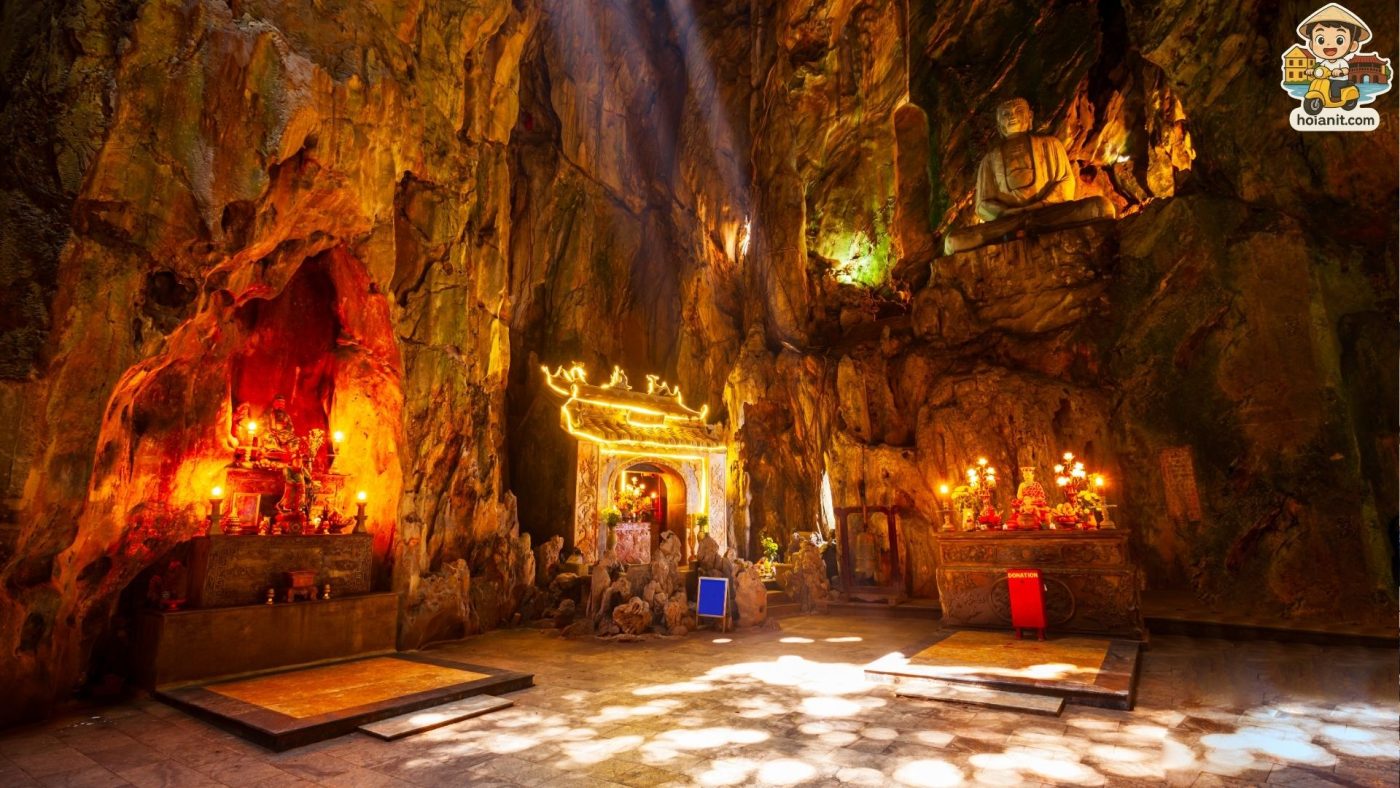
- Hoi An – Đà Nẵng via Marble Mountains (Short Coastal Route): For a mix of beach scenery and city vibes, ride north along the coastal road (Trường Sa/Vo Nguyen Giáp) toward Da Nang. It’s a smooth, breezy ride with the ocean on one side and dunes on the other. Midway, stop at the Marble Mountains, five marble–limestone hills studded with Buddhist pagodas and caves. Climb up to panoramic viewpoints of the coastline. You can return the same way or make a loop via the Song Hoai River road. (Approx. 30 km one-way)
- Hoi An – Tam Thanh Mural Village (Full-Day Coastal Art Ride): Escape the usual tourist trail by riding south along quiet coastal backroads. You’ll pass shrimp farms, casuarina-lined shores, and remote fishing hamlets before reaching Tam Thanh, a seaside village where local homes are painted with vibrant murals. It’s an open-air art gallery celebrating village life. This offbeat ride offers plenty of ocean views and photo ops. (Approx. 45 km one-way)
- Hoi An Countryside Loop (Tra Que – Cam Thanh – An Bàng Beach): This gentle loop is perfect for a short outing. Start by heading to Tra Que Vegetable Village, a lush farming community famed for its organic herbs and vegetables. Ride on narrow paths flanked by green gardens and buffalo watering holes. You can even pause for a traditional herbal foot soak or a home cooking class in Tra Que’s tranquil setting. Continue to An Bàng Beach for a refreshing swim or a seafood lunch by the sea. On the return leg, swing through the nipa palm forests of Cẩm Thanh (perhaps take a detour on a basket boat in the coconut water palms) and back to town. It’s a short ride that captures Hoi An’s slow, authentic rhythm, from centuries-old farming methods to a relaxed beach vibe. (Approx. 15–20 km loop)
Off the Beaten Path: In addition to the popular routes above, Hoi An’s surroundings hide “countless backroads waiting for those who crave solitude and authenticity.” Consider a dawn ride to Duy Hải fishing village on the Thu Bồn River to watch fishermen unload the morning catch. Or cross the Thu Bồn River (via the Cam Kim bridge or a local ferry) to visit Kim Bồng Carpentry Village and Thanh Hà Pottery Village, where you can admire traditional boat-building, wood carving, and pottery-making techniques passed down for generations. A Phước Hải – Hà My Beach loop offers a quiet, palm-lined shoreline if you prefer a peaceful coastal stretch. For experienced riders seeking adventure, an inland ride toward Quế Sơn Mountain rewards with winding hill roads and breathtaking valley views. And for a truly unique experience, head to Trà Nhiêu Eco-village (near Cẩm Kim) where you can cross a rustic bamboo bridge amidst water coconut palms and riverside fields (more on Hoi An’s famous bamboo bridges below). These hidden routes reveal local life untouched by crowds – you might find yourself the only traveler around, greeted by waving children and the odd water buffalo on the road.
Key Cultural Landmarks & Attractions
One of the joys of exploring by motorbike is the freedom to stop at small villages, temples, and scenic spots that package tours often skip. Hoi An’s countryside is rich with cultural landmarks and points of interest that offer insight into local heritage:
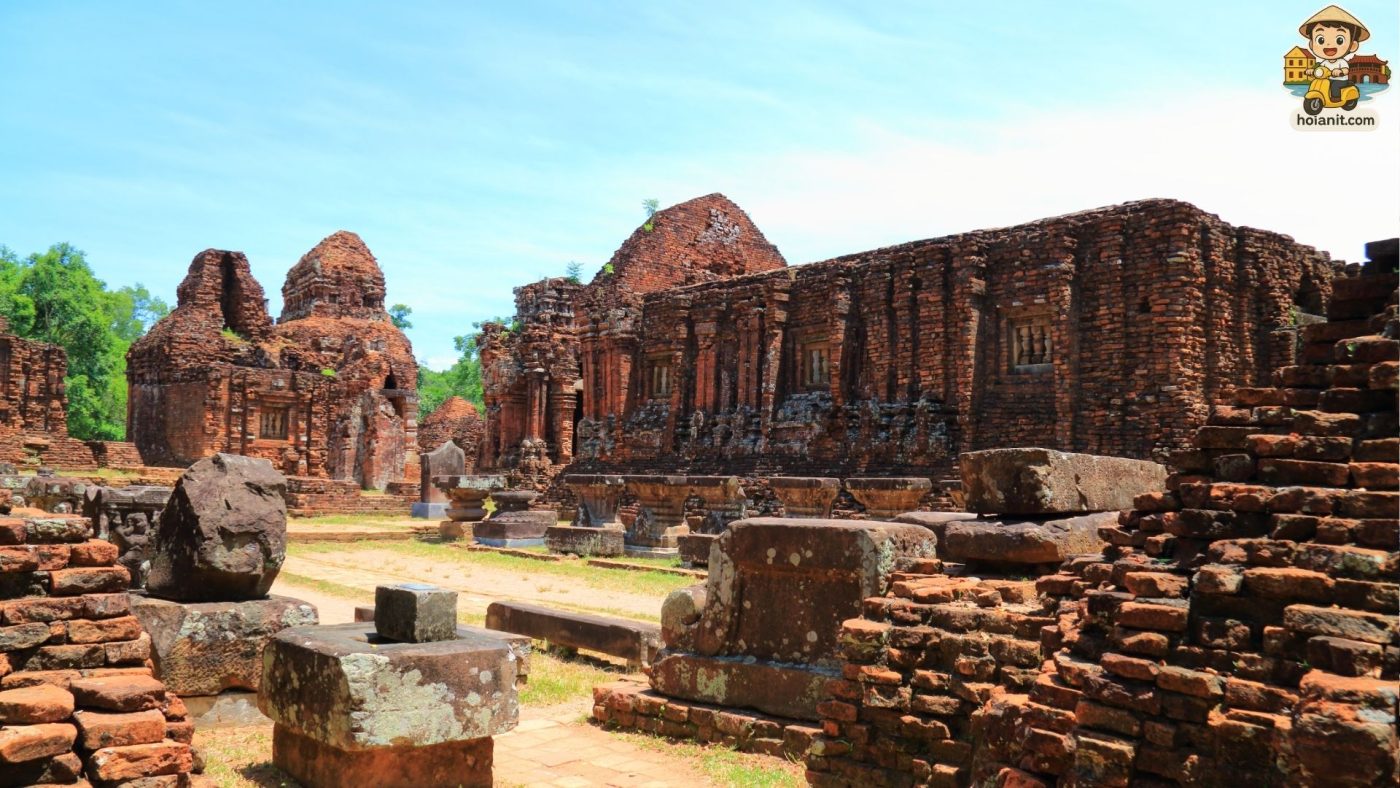
- Mỹ Sơn Sanctuary: A must-visit for history enthusiasts, Mỹ Sơn is an ancient spiritual site of the Champa Kingdom dating from the 4th –13th centuries. Its cluster of red-brick temple towers lies about 40 km from Hoi An in a lush valley. Visiting by motorbike lets you arrive early and avoid the tour bus rush; you can wander the mossy ruins in relative peace. The site has a small museum and often hosts traditional Cham dance performances in the morning. (Entrance fee ~150,000 VND; secure parking available at the site.)
- Traditional Craft Villages: Hoi An is surrounded by villages known for handicrafts:
- Thanh Hà Pottery Village – Located 3 km west of town, this village has produced pottery for over 500 years. You can watch artisans at work shaping clay on foot-driven wheels, and even try your hand at molding a vase. Don’t miss the Thanh Hà Terracotta Park, an open-air museum of ceramics.
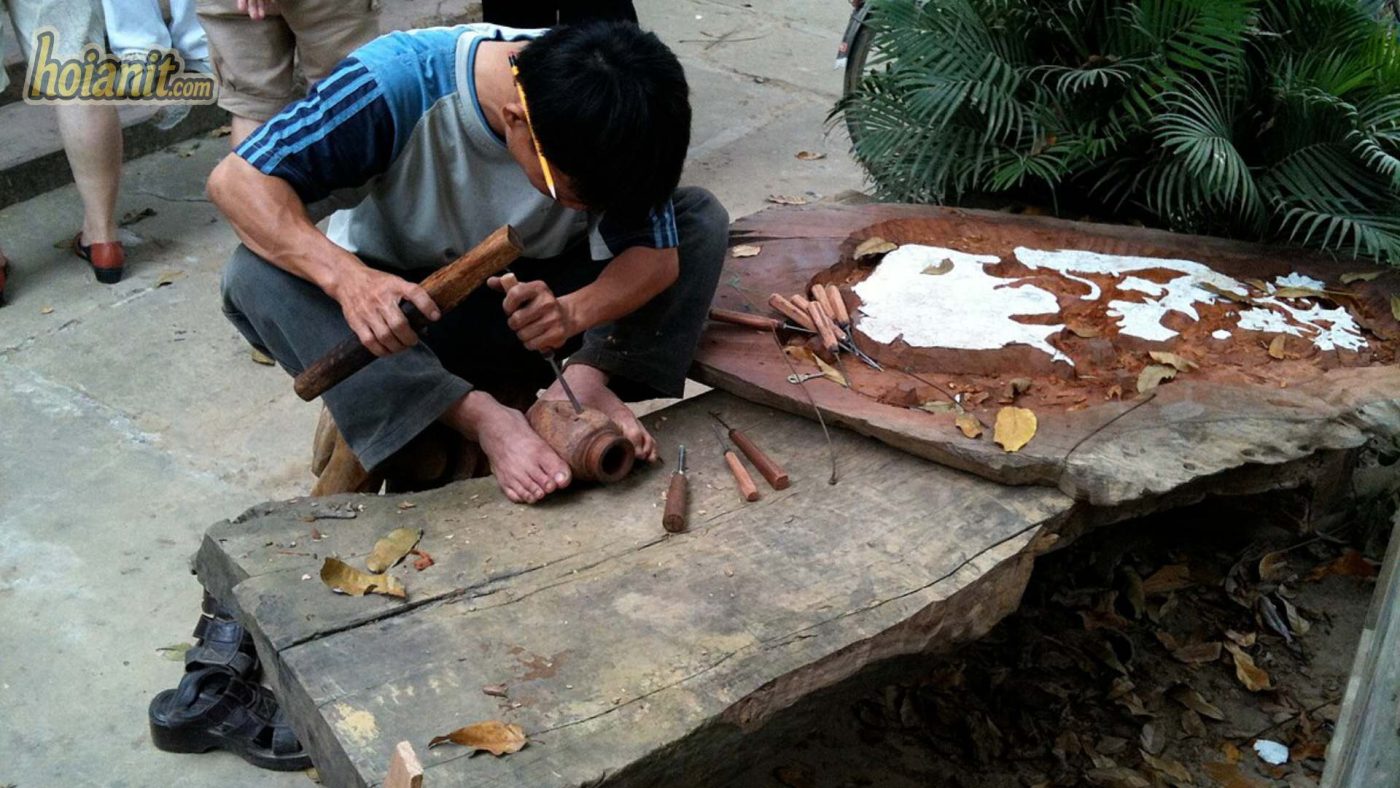
- Kim Bồng Carpentry Village – A short hop across the river (over the Cam Kim bridge), Kim Bồng is famous for its woodworkers and boat builders. Walking its lanes, you’ll hear the sound of chisels and see intricate carvings taking shape. It’s a living museum of traditional carpentry. (You can reach Kim Bồng by motorbike via the bridge to Cẩm Kim Island, or by a 10-minute ferry from the Old Town harbor. Either way, once on Cam Kim, just ride and explore – “wherever you like for hours through rice fields and along riverside paths” .)
- Tra Que Vegetable Village – This farming community lies between Hoi An and An Bàng Beach. Tra Que’s family has been growing herbs and vegetables using organic methods for generations. Visitors can join in gardening activities or take a cooking class that starts with picking fresh herbs. The village’s claim to fame is its rich soil that produces fragrant basil, mint, and lettuce used in Hoi An’s special dishes (like cao lầu and mì Quảng). Many recipes, such as bánh xèo (crispy rice pancake) and mì Quản,g are said to taste better here thanks to the just-picked greens. Simply riding through Tra Que, you’ll enjoy scenes of farmers tending neat rows of vegetables, water buffalo grazing, and even the chance to stop for a glass of rau má (herbal drink) at a small stall.
- Phước Kiều Bronze Casting Village – (Optional detour, about 10 km north of Hoi An on the way to Dien Ban.) This 400-year-old village is renowned for its bronze gongs and cast statues. If you’re interested in traditional metallurgy, you can observe craftsmen pouring molten bronze into molds to create musical gongs used by highland ethnic groups. It’s a very local experience (the village isn’t touristy), but it might require asking locals to point you to an active workshop.
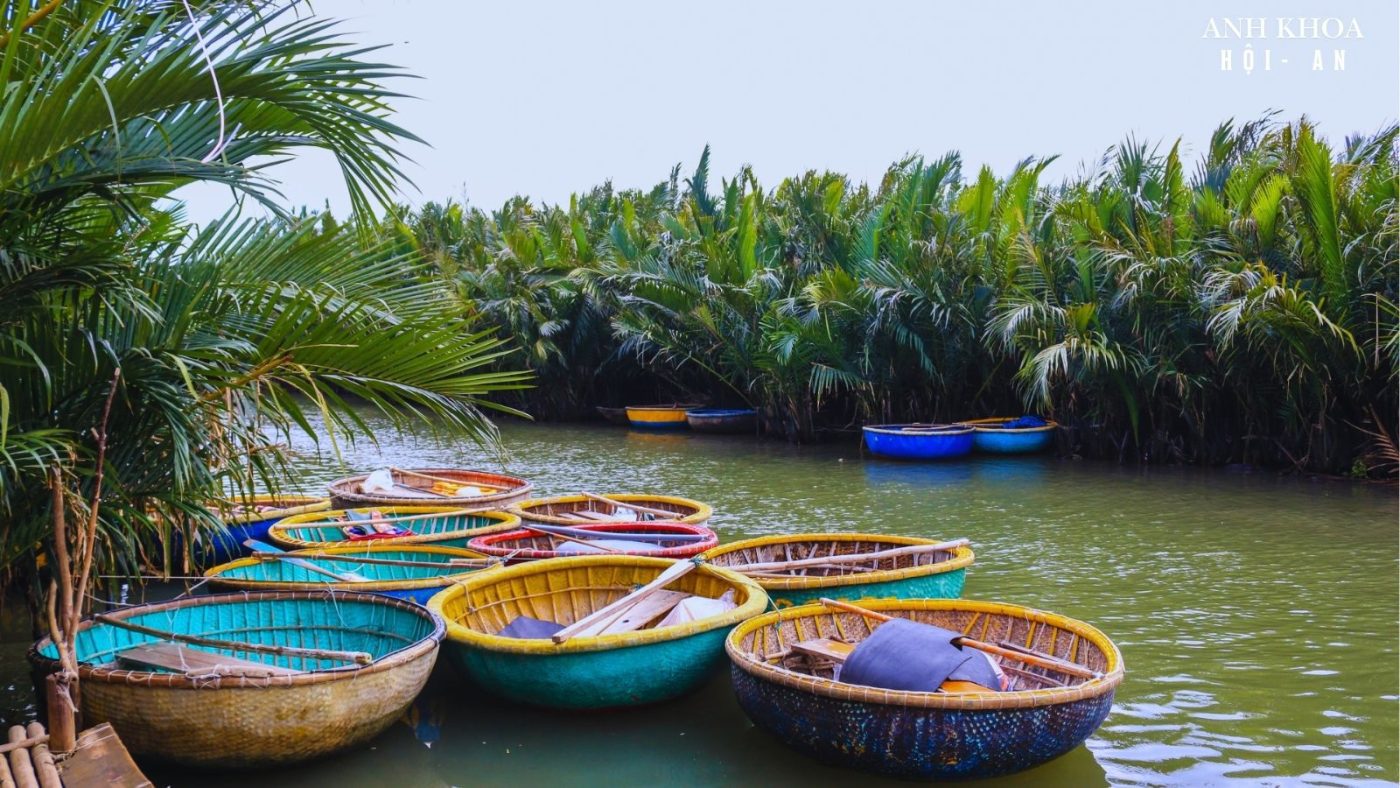
- Cẩm Thanh Coconut Forest (Bay Mau Palm Forest): A fun stop in the eastern outskirts, this water coconut forest is a unique mangrove ecosystem where the river meets the coast. You can park your motorbike and hire a local to take you on a basket boat (a round bamboo boat) to spin and glide through the palm channels. It’s a bit touristy, but an interesting look at how locals fish and harvest coconuts. The area played a role during the war as a hideout for resistance fighters. Even if you don’t take a boat ride, the road through Cẩm Thanh village is lovely, lined with coconut groves and small shrimp farms.
- Local Temples & Pagodas: While most temples in Hoi An are within the Old Town, a few serene religious sites lie in the countryside. Chúc Thánh Pagoda, for example, is about 2 km northwest of the center – it’s the oldest Buddhist pagoda in Hoi An (founded 1454) and has peaceful grounds to stroll. Another is Phước Lâm Pagoda, set amid rice fields 4 km out, known for its ancient Bodhi tree and quiet atmosphere. Visiting a rural pagoda can be a calming experience; you may be the only guest, hearing just rustling leaves and distant roosters.
- Cam Đồng “Bamboo Bridge”: About 12 km west of Hoi An, near Điện Bàn, lies the last surviving cầu tre (bamboo bridge) in the region. The Cam Đồng Bridge is an amazing piece of local engineering – a 120-meter span built entirely from bamboo poles lashed together, only about 1 meter wide. Villagers have been maintaining and rebuilding it for decades, using it daily to reach fields on the other side of the river. In flood season (Oct–Dec), the bridge is often taken down or destroyed by high water, then rebuilt each year. Photographers love this spot, especially at sunrise or sunset when the light reflects off the water. (Note: You cannot ride a motorbike on the bamboo bridge – it’s too narrow and fragile. Park nearby and walk across, if it’s installed during the dry season. Be respectful and give way to local farmers carrying produce on foot or bby icycle .) Visiting the Cam Đồng bridge is like stepping back in time, and as one expat notes, it’s “an ideal stop on the way to Mỹ Sơn Sanctuary for photographers” looking to capture rustic scenery.
These are just a few highlights. Don’t hesitate to pause in any small village you pass – you might find a family shrine or communal house, chat with local artisans, or stumble upon an impromptu cultural experience. For example, some travelers have been invited to a cup of tea by villagers or to watch fishermen casting nets at a riverside inlet. The countryside around Hoi An is very welcoming, and a motorbike allows you to “see local life without the crowds of tourists”.
Food Stops: Street Eats, Markets & Countryside Eateries
No journey is complete without savoring the local flavors. Fortunately, riding a motorbike lets you stop wherever something smells delicious! Hoi An is famous for its cuisine, and the villages around it offer authentic food experiences at a fraction of Old Town prices. Here are some tips on eating well during your countryside adventures:
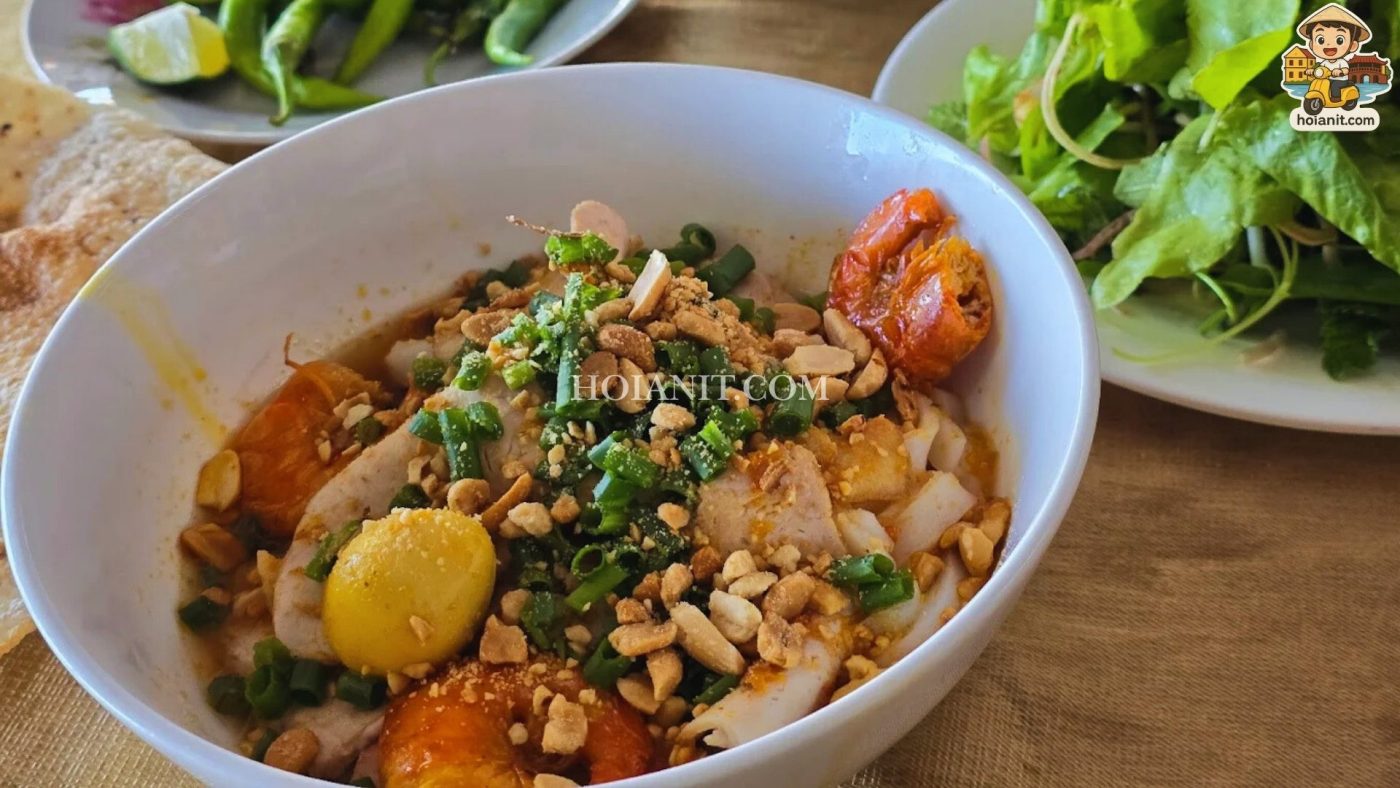
- Breakfast at a Local Market: Vietnamese countryside markets are morning affairs, usually busiest from 6–9 AM. Plan to start your ride early and drop by a chợ (market) in a small town for breakfast. For example, on the way to My Son, you might stop at a “bustling country market” in a town like Đông Thạnh or Nam Phước. Pull over and wander the stalls – you can try a bowl of mì Quảng, the signature turmeric-yellow noodle soup of Quảng Nam province, typically topped with pork, shrimp, herbs, and crispy rice cracker. Or look for bánh mì ốp la (baguette with fried eggs) if you want a quick bite. Markets are also great for sampling snacks like sticky rice or banana leaf-wrapped sweets. Don’t worry if the vendors don’t speak much English – a smile and pointing go a long way, and locals will often be excited (and amused) to see a foreigner enjoying their food.
- Specialty Dishes in the Villages: Hoi An’s famous dishes can often be found in humble eateries outside the tourist center. In Tra Que Village, for instance, seek out a local home restaurant serving bánh xèo – crispy rice flour pancakes loaded with bean sprouts and shrimp/pork, eaten rolled up in rice paper with fresh Tra Que herbs. Thanks to the just-picked herbs, “Central Vietnamese-style bánh xèo in Tra Que boasts a crispy golden crust and exceptional flavor”. Likewise, mì Quảng in the countryside, garnished with garden-fresh lettuce and mint, is a must-try (many say it tastes best in the villages where ingredients are harvested that morning ). Another local specialty is bánh đập and hến xào on Cẩm Nam islet (just south of town). Bánh đập is a unique snack of crispy rice cracker and soft steamed rice pancake “smashing” together (hence “đập”), often served with hến xào, which is baby clams stir-fried with peanuts and herbs. As one Hoi An local describes, “hến xào xúc bánh tráng” – the combination of freshly spiced baby clams scooped with grilled rice crackers – is a perfect afternoon snack. You can find this at Quán Bà Già (Old Lady’s Pancakes) in Cẩm Nam, a simple riverside eatery famed for it. Enjoy it with an iced tea while looking over the Thu Bon River.
- Countryside Lunch Spots: While out on longer routes, plan a lunch stop at a local quán (eatery). If you’re near the coast or a river, look for places grilling seafood – for example, on the way to Tam Thanh or Danang, you’ll pass through fishing communities with casual restaurants serving dishes like grilled fish ina banana leaf or shrimp Cao Lầu. In villages inland, you might find a home-cook-style quán offering the daily specials (cơm bình dân – a “common rice” plate with various toppings). Don’t shy away from tiny storefront restaurants with low plastic chairs – they often have the tastiest food. A plate of cơm gà (chicken rice Hoi An style) or bún thịt nướng (noodles with grilled pork) from a roadside stall can cost under 40,000 VND ($1.50) and be incredibly satisfying. If you see something interesting, just stop – this flexibility is the joy of motorbiking.
- Cafe Breaks: Riding in the tropical heat, you’ll want to stay hydrated and take breaks. Luckily, Vietnam has café võng – hammock cafés – all over the countryside. These are small coffee stalls where, for the price of a cà phê sữa đá (iced coffee with milk) or a nước mía (fresh sugarcane juice), you can lounge in a hammock for a while. They’re perfect for a mid-ride rest, letting you cool off and strike up a conversation with local patrons. Even a tiny village will usually have a spot selling cold drinks; just look for signs saying “Giải Khát” (refreshments) or the ubiquitous Coca-Cola or Lavida banners.
- Beachfront Dining: If your route takes you to the shore (An Bàng, Hà My, or Tam Thanh beaches), consider timing it so you can enjoy a meal with a sea view. An Bàng Beach has many thatched-roof restaurants where you can park your bike and feast on grilled scallops with peanuts and spring onion, steamed clams with lemongrass, and a cold beer. Prices are reasonable (just ensure you ask to see a menu with prices). Tam Thanh, being far less touristy, might have only a few local cơm bình dân places or a market – but that’s part of the adventure.
Finally, don’t miss Hoi An’s fresh beer when you return to town in the evening. A glass of local draft (bia tươi) can cost as little as 3,000 ₫ (about $0.14 USD) in Hoi An – possibly the cheapest beer you’ll ever find! Pair that with some street food at the night market (grilled pork skewers or a bowl of chè dessert) as a perfect cap to your day of exploration.
Travelers’ Tip: Carry some toilet paper/tissues, hand sanitizer, and small bills. Many countryside eateries are mom-and-pop operations with basic facilities. A 10,000 or 20,000 VND note (under $1) is useful for buying bottled water or fruit from a roadside vendor. And if you have dietary restrictions, learn a few phrases (like “Không thịt” = no meat, or “Ăn chay” = vegetarian) since English won’t be widely spoken off the beaten path.
Motorbike Rental Tips (Pricing, Paperwork & Safety Checks)
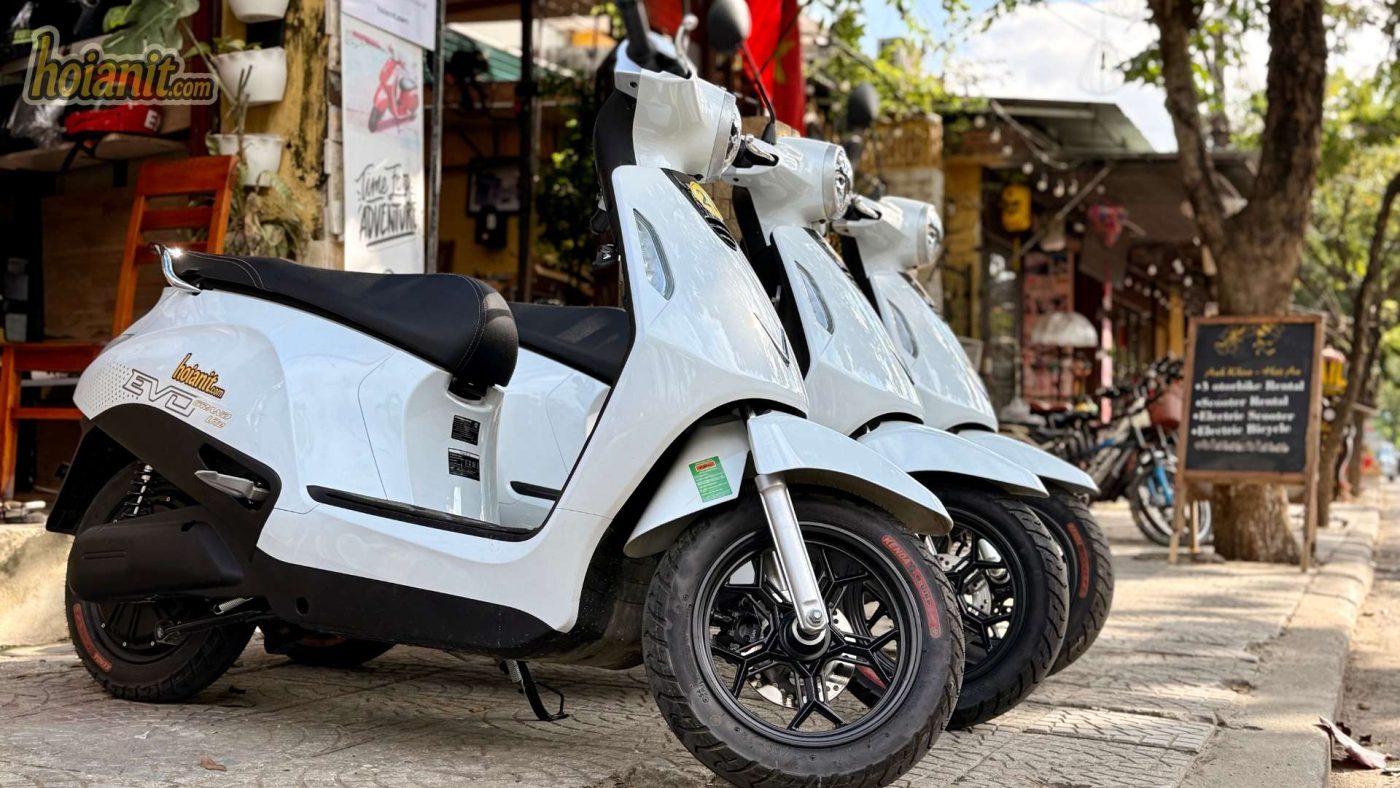
For exploring the Hoi An countryside by motorbike, choose a local, trustworthy rental shop instead of random street stalls. In Hoi An, a highly rated and long–running option is:

Anh Khoa Hoi An – Motorbike, Electric Scooter & Bicycle Rental
- Website: hoianit.com
- Services:
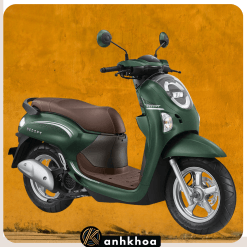
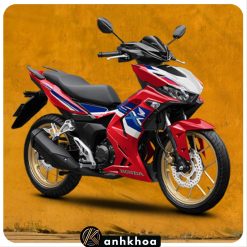
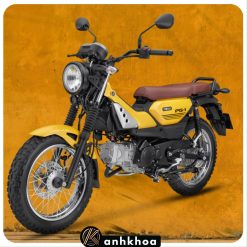
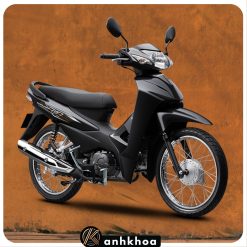
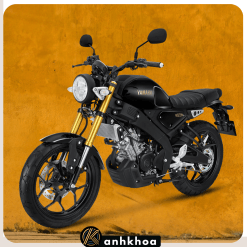
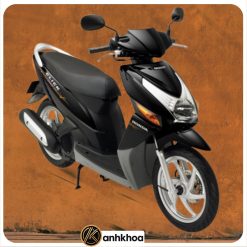
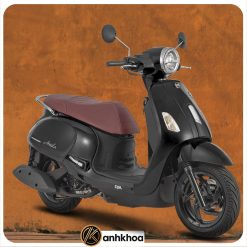
- Automatic & semi–automatic motorbikes (110–150cc)
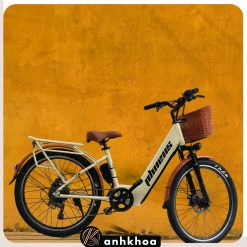
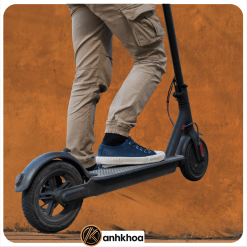
- Electric scooters & electric bicycles
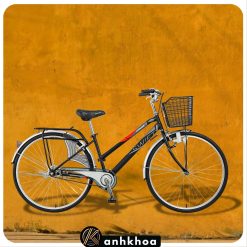
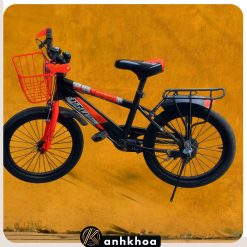
- City bicycles & mountain bikes
- Helmet, raincoat, phone holder included
- Free map & countryside route suggestions (rice fields, villages, My Son, Hai Van Pass…)
- One–way rental options (Hoi An – Huế / Đà Nẵng)
- Luggage storage & support on the road via phone/WhatsApp/Zalo

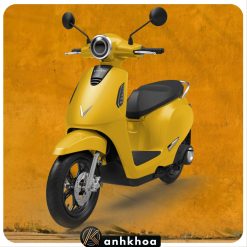
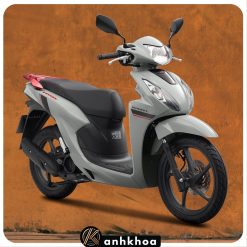
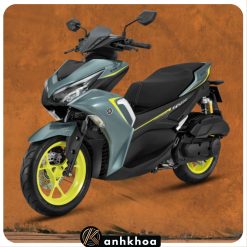
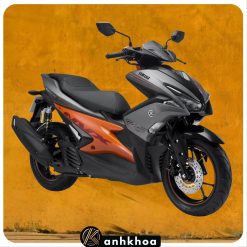
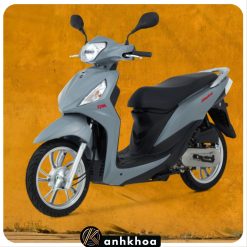
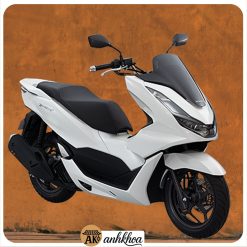
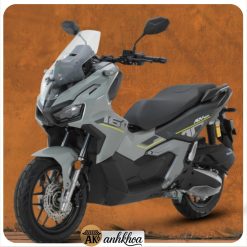


Why rent from Anh Khoa Hoi An?
- Well–maintained bikes, checked daily before handover
- Friendly English–speaking staff who can help plan your countryside route
- Transparent pricing (no hidden fees)
- Flexible delivery & pick–up at your hotel, homestay, or bus stop in Hoi An
- Local owner, so you’re supporting a genuine Hoi An family business, not a random reseller
Typical prices (subject to season):
- Automatic / semi–automatic motorbike: from 120,000₫ / day
- Electric scooter: from 200,000₫ / day
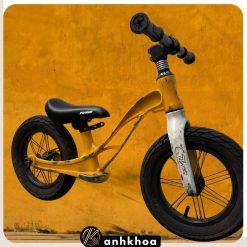
- Bicycle / electric bicycle: from 50,000₫ / day
💡 Travel tip:
Book your motorbike or scooter with Anh Khoa Hoi An (hoianit.com) the day before your countryside trip. They can recommend the best route for your schedule – rice fields & villages, Mỹ Sơn, or even Hải Vân Pass – and prepare a bike that fits your height and experience.
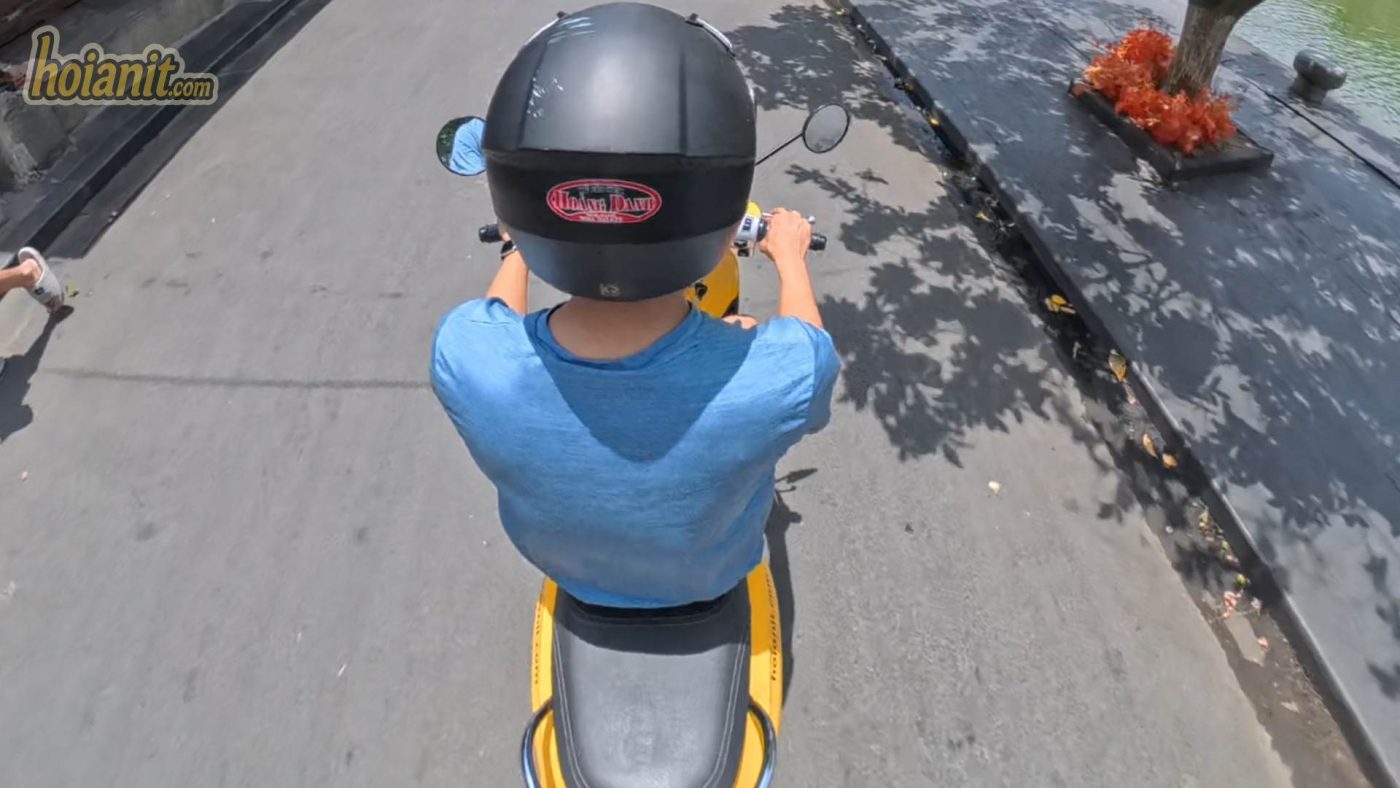
Safety Guidelines for Riding in Việt Nam
Riding a motorbike in Vietnam is an adventure, but it comes with real risks. It’s important to understand local road conditions and traffic habits. Here are essential safety guidelines to follow for a smooth and safe journey:
- Know Your Limits: If you’ve never ridden a motorbike or scooter before, Vietnam is not the place to learn. The traffic can be chaotic and unforgiving for newbies. Consider practicing in a quiet area first, or hire an Easy Rider (motorbike driver) for pillion tours. As one experienced traveler put it bluntly, “Riding a motorbike in Southeast Asia is dangerous. Don’t let anybody tell you otherwise.” There are, on average, 40 road deaths a day in Vietnam, so treat riding seriously and ride sober and alert.
- Follow Vietnamese Traffic “Rules”: Traffic in Vietnam flows on the right side of the road. There are formal laws – e.g., speed limits of 40 km/h in towns and 60 km/h on highways for motorbikes – but equally important are the informal rules of the road:
- Go with the flow: Vietnamese traffic is like a school of fish; everyone moves collectively and predictably (ignoring formal lane discipline). Don’t make sudden stops or swerves. Gradual, predictable movements signal your intentions.
- Yield to larger vehicles: The unofficial hierarchy is: truck/bus > car > motorbike > bicycle > pedestrian. Always give way to trucks and buses – they often barrel through and expect you to dodge them. At intersections, be cautious even if you have the right of way.
- Use your horn & lights: In Vietnam, honking isn’t rude – it’s a communication tool. Horn before blind corners, at narrow bridges, or when overtaking to alert others of your presence. You’ll hear constant beeps on highways. It’s fine to beep gently when passing cattle, cycling kids, or slower bikes. Similarly, flash your high beam at night when overtaking to ensure you’re seen.
- Traffic lights & signs: In cities, obey traffic lights (though some motorbikes do creep through on red if turning). In the countryside, many intersections have no lights or signs – slow down and double-check for cross traffic. Stop signs are rare and often ignored.
- Don’t weave or speed: It’s illegal (and dangerous) to slalom through traffic. Maintain a reasonable speed – many local riders cruise ~40 km/h even on open roads. Save the racing for the Hai Van Pass, where the road is wide and clear; in villages, go slow (watch for kids or animals dashing out).
- Expect the unexpected: Rural roads may have chickens, dogs, water buffalo, or even the occasional oblivious cow wandering across. “You aren’t entirely safe; there’s water buffalo to dodge, cows to weave between, and rogue pigs that lunge into traffic,” as one humorous account noted. Be ready on the brakes. Also, expect scooters to come down the wrong side of the road or someone to overtake a truck into your lane – these things happen, so stay alert.
- Road Conditions: Around Hoi An, most primary roads are paved and in decent shape. However, be cautious of potholes and uneven pavement on smaller lanes and after heavy rains. If you venture onto dirt paths or sand (like near some rice fields or construction sites), go slow – it’s easy to lose traction on loose surfaces. After dark, visibility is a challenge – many rural riders don’t use headlights or have non-functional lights, and bicycles might not have reflectors. Try to complete long rides before sunset. If you must ride at night, take it very slow and stay extra vigilant.
- Weather and Riding: The heat by midday can be intense (wear sunscreen and stay hydrated – a 1.5L water bottle under the seat is good to have). From September through December, sudden downpours are common; roads can flood or get slippery. Be cautious in wet conditions – the first rain after a dry spell brings up oil on the road. If it’s raining hard, consider waiting it out at a café (rain usually eases in an hour or so). Mud can be an issue on paths near fields – if your tires cake with mud, stop and clear them (locals often use a stick or hose to clean tires). Bridges and painted road markings become slick in rain – brake gently on those.
- Safety Gear: Always wear your helmet, strapped. It’s not just law, it’s common sense (even locals will scold you for not wearing one). If you have sunglasses or riding glasses, use them to block dust and insects. Gloves are nice if you plan longer trips (to reduce vibration and sunburn on hands). Consider carrying a face mask or buff – many Vietnamese wear masks not just for pollution but to avoid sunburn and dust. Sturdy footwear is better than flip-flops (especially if you need to put a foot down suddenly, you don’t want to stub toes or slip).
- Riding Etiquette & Local Interactions: You might draw curiosity as a foreigner riding through backroads. Generally, locals are friendly and will give you a wide berth. If you need help (directions, mechanical issues), don’t hesitate to ask – “Người dân” (the local people) are often delighted to assist. In case of an accident, Vietnamese custom is to help first, deal with blame later. If, knock on wood, something happens, seek help from bystanders or call your hotel/tour operator for guidance.
- Emergency & Breakdown: Carry the phone number of your bike rental or a support line if they provide one. Many rental companies in Vietnam offer a 24/7 helpline and will pay for repairs on the road – check your rental agreement. For minor issues like a flat tire, look for the nearest “Sửa Xe” sign or any place with tires/tubes on display. Small roadside mechanics are everywhere and can fix flats or minor engine issues cheaply (a flat tire fix is ~30,000 VND or $1.25). For more serious breakdowns, you may have to hire a xe ôm (motorbike taxi) to tow or carry the bike to a mechanic (in rural areas, often a willing farmer with a truck can help). Having a basic first-aid kit (bandages, antiseptic) isn’t a bad idea either for scrapes.
- Never Drink and Ride: This should go without saying, but enjoy those 3,000₫ beers only after you’ve parked the bike for the day. Vietnam has strict drunk driving laws on paper (0.0 BAC allowed) and even conducts checkpoints, particularly around holidays. More importantly, the chaotic traffic is hard enough to manage sober – one beer can slow your reaction at the wrong time. If you end up indulging at a countryside quán, either wait a few hours or find alternative transport back (many rural pubs will have someone call a taxi or give you a lift if needed, for a fee).
In summary, ride defensively and stay aware. Vietnamese roads can be extremely rewarding to explore, but they demand respect. If you prepare well and follow these guidelines, you’ll greatly reduce risks and gain confidence. Thousands of travelers safely ride across Vietnam each year – you can be one of them by combining common sense with these local insights. As riders often say here, “chậm mà chắc” – slow but sure.
Suggested Itineraries for 1 to 3 Days
To help you organize your exploration, here are sample itineraries for different lengths of stay. These suggestions assume you’re based in Hoi An (so you can ride out and loop back each day to your hotel). Of course, feel free to mix and match destinations based on your interests and pace:
1-Day Motorbike Adventure
Morning (7:00 AM – 12:00 PM): Beat the heat and crowds with an early start. Ride out to Mỹ Sơn Sanctuary at dawn, which takes about 1.5 hours via the quieter countryside route (across the Thu Bon River and through small villages). Enjoy a local breakfast en route – for example, mì Quảng at a market in Nam Phước, or a Vietnamese coffee with condensed milk at a street cafe in a small town. Arrive at Mỹ Sơn by ~9:00 AM when the light is soft and tour groups are few. Spend 1.5–2 hours exploring the mossy temple ruins in the jungle valley and learning their history. The atmosphere in the morning is serene and a bit mystical as jungle birds call around the Hindu ruins.

On your ride back, take a scenic detour: follow the river toward Cam Đồng and stop to see the bamboo bridge (if it’s the dry season). This makes for a great photo op and rest stop. You may also pass farmers working in the rice fields – feel free to pause and watch or say hello. Continue back toward Hoi An by late morning. Before reaching town, consider stopping at Tra Que Vegetable Village (just outside the city) for a farm-to-table lunch. Many small restaurants in Tra Que offer set menus where you can sample bánh xèo, spring rolls, and cao lầu made with herbs grown a few feet away. It’s a relaxing lunch spot overlooking gardens.
Afternoon (1:00 PM – 5:00 PM): After a leisurely lunch (and maybe a short herbal foot bath at Tra Que to revitalize your feet), hop back on the bike for a countryside loop. Head east to the Cẩm Thanh Water Coconut Forest. You can park and do a 45-minute basket boat tour if you haven’t experienced that yet – it’s touristy but fun, and you’ll see how people fish with cast nets in the channels. If you prefer to keep riding, snake along the small concrete lanes through Cẩm Thanh’s nipa palm villages. Next, ride out to An Bàng Beach for the late afternoon. The road to An Bàng is straightforward, and you’ll arrive at a beautiful view of the sea. Around 3–4 PM is perfect for a swim or simply a cold drink under a thatched umbrella while your bike is parked at a beach lot (parking ~10,000₫).
As the sun lowers, consider riding a bit further north up the coast to Hà My Beach – a quieter stretch of shoreline where you can catch a gorgeous sunset over the water with fewer people around. It’s only 5 km north of An Bàng. Alternatively, return toward Hoi An and climb the little hill at Cẩm Nam Island (south of the Old Town) to watch sunset over the Thu Bon River and the town’s rooftops.

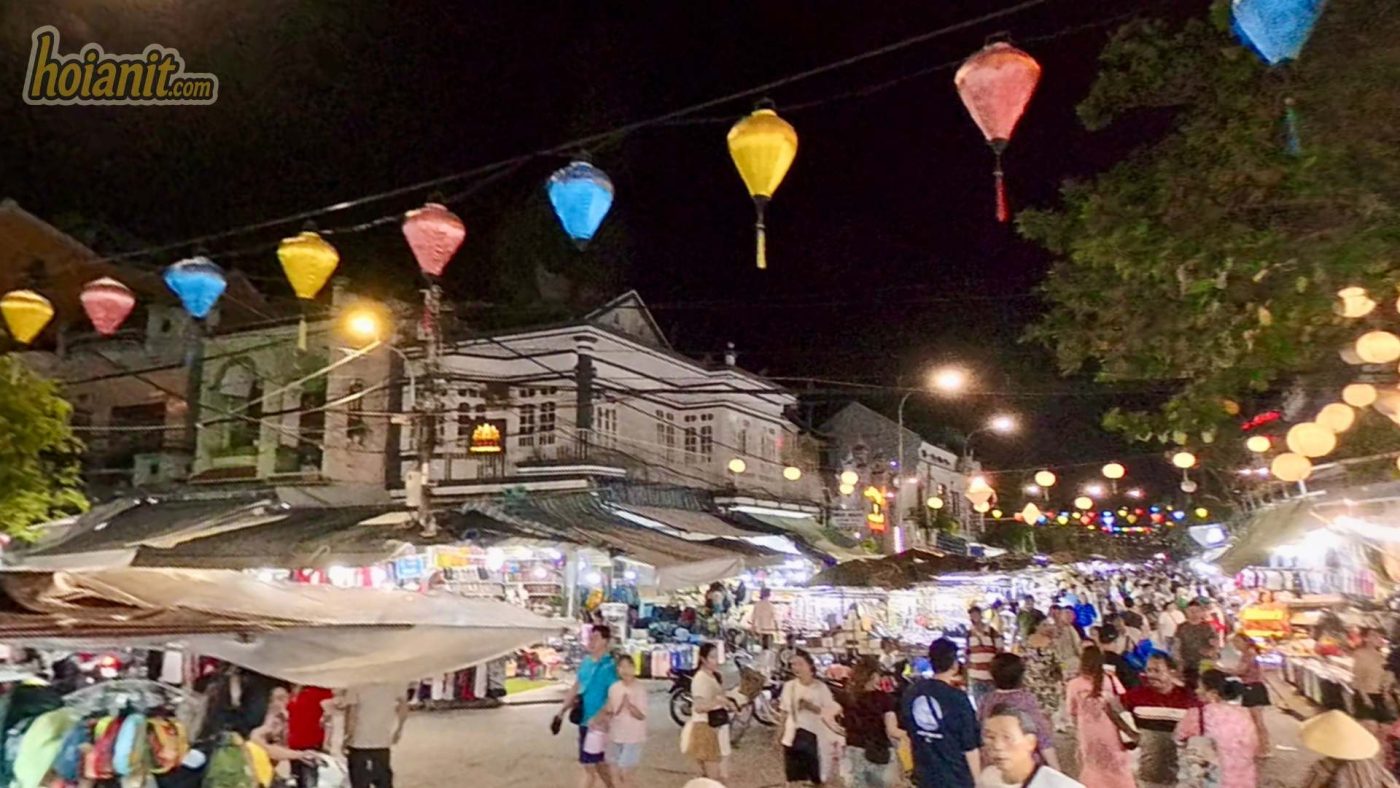
Evening: Drive back into Hoi An before dark if possible. Return your bike to the rental (or your hotel) and head into the Ancient Town for dinner. Treat yourself to the famous cao lầu noodles or white rose dumplings. You’ve earned it after ~100 km of riding today! If you still have energy, a short stroll through the lantern-lit Old Town or a boat ride on the river is a lovely way to end the day.
(This 1-day itinerary mixes culture, nature, and relaxation, giving you a bit of everything. Total riding distance ~120 km. If you want a shorter day, skip Mỹ Sơn and instead focus on a loop around Hoi An’s closer villages – you could do Thanh Hà Pottery, Kim Bồng Carpentry, Tra Que, and the beach all in one day with plenty of breaks.)
2-Day Motorbike Itinerary
Day 1: Inland History & Villages
- Morning: Ride out to Mỹ Sơn Sanctuary (as described in the 1-day itinerary) or, if you visited Mỹ Sơn already, choose another inland route such as exploring the rural roads toward Đại Bường (known for fruit orchards) and Hill 55 (a historic wartime site) for a dose of history. On your way back, stop by the Phước Kiều bronze-casting village or the Châu Ổ market if you come through Điện Bàn – it’s a large local market great for lunch (try a bowl of bún thịt nướng).
- Afternoon: Return to Hoi An by early afternoon and relax for a bit (avoid riding in the day’s hottest hours if possible). Around 3 PM, head to Cam Kim Island (across the river). Spend a couple of hours exploring Kim Bồng carpentry village and the scenic rural lanes of Cam Kim, where “after 20 minutes riding you are out among local villages, not a tourist to be seen” . Cross back to town via the bridge or ferry by sunset.
- Evening: Enjoy Hoi An Old Town at night, or if you’re up for it, do a special food-focused ride: many great eateries are just outside the center (like the famous Madam Khanh Bánh Mì or Com Ga Ba Buoi – though these two are in town). Riding at night in Hoi An is manageable due to street lighting, but always wear your helmet and watch for busy intersections.
Day 2: Coastal Adventure
- Morning: Depart Hoi An heading north along the coastline. Stop at the Marble Mountains in Da Nang for an hour of exploration – climb up to see the shrines and get a view of the coast . Then continue your ride up the thrilling Hải Vân Pass. Take your time on the pass, enjoying viewpoints (and maybe a coffee at the summit). Descend to Lăng Cô Bay and treat yourself to a fresh seafood lunch at a lagoon-side restaurant – the seafood here is famously fresh; you might literally see fishermen pulling in your meal.
- Afternoon: Ride back over Hải Vân Pass (the return trip offers new perspectives – different turn angles, and you might notice things you missed). Back in Da Nang, if energy permits, swing by Son Trà Peninsula for a quick view of the Lady Buddha statue and a panoramic look over Da Nang Bay. Then cruise back to Hoi An in the late afternoon. You’ll be returning during rush hour, so traffic into Hoi An will be thicker – stay patient and go with the flow. Arrive by early evening.
- Evening: After an epic day (approximately 180 km round-trip), indulge in a relaxed dinner. Perhaps find a quiet riverside ăn vặt (snack) spot to sip a beer and watch the lanterns. Your body will thank you for an early night!
(This 2-day plan covers inland cultural sites on Day 1 and a big coastal ride on Day 2. If you prefer the opposite, swap them. Alternatively, for Day 2, instead of Hai Van Pass you could ride south to Tam Kỳ to see Tam Thanh mural village and Quảng Nam’s countryside, which is a flatter but culturally rich ride. Flexibility is yours – the key is not to cram too much in and to allow time to rest.)
3-Day Itinerary (Comprehensive Exploration)
In three days, you can experience all major routes around Hoi An at a moderate pace and also have some downtime. Here’s one way to do it:
Day 1: Hoi An Local Countryside Loop – Dedicate the first day to areas immediately around Hoi An to ease into riding. In the morning, do a Village Loop Tour: Thanh Hà Pottery -> Cam Kim Island (Kim Bồng Carpentry and maybe ride out to the end of the island for quiet rice field vistas) -> back to town for lunch. Take a mid-day break (or a short siesta as locals do). Later in the afternoon, ride to Tra Que for a gardening tour or cooking class around 3 PM , then continue to An Bàng Beach for a sunset swim. After dark, ride carefully back the few kilometers to town. (Distance ~50 km total. This day is about immersing in the immediate countryside culture.)
Day 2: The Grand Coast Ride – Today, tackle the Hải Vân Pass and beyond. Leave early for Đà Nẵng, reach the Hai Van Pass by mid-morning, and enjoy the curves and views (stop at the old French fort/lookout on the pass summit for photos). Continue down to Lăng Cô for lunch as mentioned. If you’re feeling adventurous and have time, you could even push on an extra 20 km to see the Elephant Springs (Suối Voi) near Lăng Cô for a quick dip in a natural pool. Then head back over the pass and return toward Hoi An. If energy is low in Da Nang, you can load your bike on the train from Da Nang to Hoi An (though most just ride back). Arrive in Hoi An by evening, likely tired. Grab a well-deserved dinner – maybe a hot bowl of phở or bún chả – and rest. (Distance ~180–200 km. This is the most riding-intensive day.)
Day 3: Mỹ Sơn and Beyond – On your final day, go inland to Mỹ Sơn if you haven’t yet. This time, you can incorporate stops at offbeat places: On your way there or back, definitely check out the Cam Đồng Bamboo Bridge (if it’s open) for a quintessential photo of rural Vietnam. You can also detour through Duy Xuyên to visit an interesting local Cao Đài temple (if curious about Vietnamese fusion religions) or simply enjoy the ride along the Thu Bồn River’s banks. After exploring Mỹ Sơn, ride back a more direct route and be in Hoi An by mid-afternoon. Use the latter part of Day 3 to relax or shop in town (your body might want a rest from the saddle by now!). Alternatively, if you’re still itching to ride more, you could take a short 30-minute ride to Điện Bàn to see the Heroic Mother Statue (a massive monument and park dedicated to Vietnam’s wartime mothers) or visit a silk farm on the outskirts. But it might be nice to conclude with a low-key evening – perhaps a sunset river cruise that you don’t have to captain for once.
(Three days allow you to cover Hoi An’s countryside thoroughly. You’ll have seen farming villages, unique bridges, ancient ruins, mountain passes, and beaches – a fantastic variety. Remember to adjust the plan based on the weather; e.g., do the big Hai Van ride on the clearest day. And always stay flexible – part of the joy of motorbiking is the freedom to follow a random dirt road or spend extra time at a spot you love.)
For any itinerary: Start with a full tank of gas each morning, carry water, and have the phone number of your rental agency. Also, inform your hotel or a friend of your general route plan – it’s a good safety practice when going off on your own.
Tips for Different Types of Travelers
Every traveler is unique, and exploring by motorbike can be tailored to your style. Here are some specific tips depending on who’s in your group:
- Solo Travelers: Riding solo offers the ultimate freedom – you can spontaneously decide where to turn, how long to stay, and you’re likely to have more interactions with locals. However, safety first: let someone at your hotel know your day’s route, especially if heading to remote areas, and check in when you return. Download offline maps and consider buying a local SIM for emergencies. Carry a basic tool kit (or at least a tire patch kit) if you’re going far afield alone. The good news is that Vietnam is generally safe, and locals often look out for solo foreigners; if you have a breakdown or get lost, don’t be surprised if a kind stranger helps you out. At night, stick to well-lit areas or better yet, plan to be back before late. Solo travel by motorbike in Hoi An is empowering – just avoid pushing beyond your riding skill limits, and you’ll have an incredible time. And who knows, you might meet fellow riders on the Hai Van Pass or at cafés to join for a stretch.
- Couples: A motorbike trip through Hoi An’s countryside can be very romantic. Picture two people on one bike (or two bikes, if both are experienced) riding through sunsets over rice fields. For couples, communication is key: agree on signals (taps on shoulders, etc.) if riding two-up. The passenger should lean with the bike and hold on to the driver or rear handle securely. Plan for leisurely stops – perhaps a picnic in a scenic spot. Many couples love sunset at Thu Bon River banks or a quiet beach, so build that into your day. If only one of you is comfortable driving, consider renting a bigger automatic scooter for stability with two riders. Take turns choosing activities: one day could be more adventurous (e.g., dirt path to a village) and another more relaxing (beach or spa in between rides). And of course, be patient with each other – getting a bit lost or having a minor mishap is all part of the adventure and will be a fun story later. Pro tip: An evening Vespa food tour (with drivers) can be a low-stress treat one night, so the usual driver can relax and both can enjoy local food together without worry.
- Families: Exploring on a motorbike with kids requires extra care, but it’s doable and can be rewarding. In Vietnam, it’s common to see an entire family of 4 on one scooter (though this isn’t recommended for tourists!). Safety for children is paramount: Vietnamese law doesn’t have a minimum age for passengers, but use common sense. If your kids are teens and can ride pillion well, ensure they have properly fitting helmets (you may need to request smaller sizes in advance). Avoid the busiest roads and times – stick to countryside lanes and daylight hours. For younger children (or if you’re not confident riding with a child), consider hiring an Easy Rider guide who can take a passenger. Several tour companies offer family-friendly motorbike tours where “each of the kids had their own rider, very friendly and safe, while we (the parents) rode our own scooter”. This way, experienced local riders handle the kids, and you can still enjoy riding. Plan frequent stops so kids don’t get too restless – a 30-minute ride, then a break to stretch and explore is a good rhythm. Bring snacks, water, and maybe a fun destination like a village with buffalo or a sandy beach to play on. Also note: legally, children under 18 cannot drive (and under 16 shouldn’t even ride 50cc alone), so they must be passengers. If you have more people than bikes, you can also mix transport – e.g., one parent rides with one child, while the other parent and child take a taxi to the meeting point – to ensure everyone’s comfortable. Finally, manage expectations: you may not cover as many kilometers with kids in tow, and that’s okay. The goal is to enjoy family time amid beautiful scenery, not to stress about reaching a far-flung destination.
- Adventure Seekers: If you’re an experienced rider looking for an adrenaline rush or offbeat exploration, Hoi An’s surroundings won’t disappoint. Consider renting a manual dirt bike or at least a semi-automatic so you can handle rougher terrain. There are some off-road tracks and mountain paths inland (for example, around Que Son Mountains or further west toward the Ho Chi Minh Trail) – you could link with a guide from Hoi An who knows these routes. They might take you through forests, across shallow river fords, and to hill tribe areas rarely seen by tourists. Ensure you have proper gear (some companies rent gloves, knee pads, etc.). The Hai Van Pass will likely be a highlight if you haven’t done it – ride it more than once, at different times of day, to really soak up the thrill of the curves. Also, adventure riders might try the “Golden Loop” – a 3-day circuit from Hoi An up into the mountains (A Lưới, etc.) and back down via Hai Van. This gets you on parts of the historic Ho Chi Minh Road with its sweeping jungle views and twisties. Always check your bike’s condition extra carefully before long hauls. And don’t go alone into remote off-road areas – at least two bikes together is wise in case one has trouble. For a shorter adrenaline kick, one unique option in Hoi An is to rent an old U.S. Army jeep or Soviet sidecar – some tour agencies let you drive these on guided excursions, which can scratch that itch for adventure with a dash of retro cool. However, you get your fix, push your boundaries safely. Vietnam’s roads can be unforgiving, so even as you seek thrills, remember the mantra “An toàn là bạn” – safety is your friend.
In all cases, be flexible and keep a positive attitude. Whether you’re solo and get a little lost, a couple caught in a rain shower, a family waiting for water buffalo to clear the road, or an adventurer dealing with a flat tire on a mountain path – these moments often become the best memories. Embrace the journey and the quirks that come with it. Hoi An’s countryside has something special for every type of traveler.
Budget Considerations & Cost-Saving Tips
One of the great things about exploring by motorbike is that it’s very budget-friendly compared to tours or private cars. With a bit of planning, you can have an amazing experience without breaking the bank. Here are some tips to manage costs:
- Affordable Rentals: As mentioned, motorbike rentals can be as cheap as 100k–150k VND ($5–7) per day for a basic scooter. If you rent for multiple days, don’t hesitate to negotiate – many shops will give a discount (for example, 5 days for the price of 4), especially in low season. While reputable companies cost a few dollars more, that extra cost often includes peace of mind with well-maintained bikes and support, which can save you money (and hassle) if a breakdown would otherwise derail your plans.
- Fuel Efficiency: Motorbikes sip fuel. A full tank (4 liters) might cost 80,000₫ ($3.50) and take you 150 km or more. In practical terms, you’ll spend only a few dollars on gas for each day’s adventures – far cheaper than hiring a car or taking multiple taxi rides. To save even more, stick to the smaller engine bikes (110–125cc), which are more fuel-efficient than the big bikes. Also, fill up at petrol stations with metered pumps in town or major roads (fuel is slightly cheaper and you get the correct amount). Avoid buying petrol from Coke bottles unless you’re really in a pinch – those are more expensive per liter and sometimes lower quality.
- Eating Local: One of the biggest budget perks of a motorbike trip is access to truly local eateries. A bowl of pho or mì Quảng in a village can be 25,000₫ ($1), versus 50,000–70,000₫ in the tourist center. Street snacks are often just 10,000–20,000₫. By eating where locals eat, you’ll spend very little and get authentic flavors. Markets are your friend – you can graze on various items for pocket change. Also, carry some fruits or snacks bought from a market for the road, so you’re not tempted to splurge on overpriced drinks/snacks at a tourist stop. For instance, buying a bunch of bananas for 15,000₫ and a local iced tea for 5,000₫ will keep you energized, instead of a 40,000₫ soda at a tourist cafe.
- Accommodation Hacks: If you plan an overnight journey (say, halfway to Hue or an early start for sunrise somewhere), consider homestays in the countryside. Homestays or guesthouses in villages around Hoi An or on the way to places like Tam Kỳ can cost as little as $8–$15 per room, often including breakfast. Staying out a night can break up your ride and give you a more immersive experience. However, since Hoi An is small, many travelers choose to return to their same hotel each night (less hassle with luggage). In that case, you don’t need extra accommodation, but ensure your hotel has free parking (most do). If you’re on a really tight budget, you can base yourself in a cheaper hotel slightly outside the Old Town – still within a short ride – places in areas like Cam Chau or along Cua Dai road are often cheaper than right in the Ancient Town. Use your motorbike to commute in.
- Self-Guided vs Tours: There are many guided motorbike tours offered in Hoi An, from half-day village rides to multi-day adventures. These are great for those who prefer a guide and the social aspect (and they often include food, fuel, etc.). However, they are pricier (expect $40+ for a half day, $70+ for a full day per person). Doing it DIY saves a lot. For example, a popular “countryside tour” might cost $50 per person, but renting a bike ($7), fuel ($3), and food ($5) might total only $15 for the same sights. As a bonus, “you’ll not only save costs but engage more directly with the scene” when you go on your own. If you’re comfortable riding, self-guiding is the best bang for your buck. Perhaps splurge on one special tour (like a food tour or a Hai Van guide if you want) and do the rest by yourself.
- Entrance Fees & Extras: Factor in small entrance fees for certain attractions. For instance, the Mỹ Sơn Sanctuary ticket is about 150,000₫ (~$6.50) – absolutely worth it. Tra Que village might ask for a tiny donation or ticket (~20,000₫) if you do a self-walking tour. The craft villages (Thanh Ha, etc.) sometimes have ticket booths (around 30,000₫) that include a demonstration or museum entry – these fees support the local community. The bamboo bridge has an unofficial “toll”: locals often collect 5,000–10,000₫ for upkeep when you cross on foot – happily pay it to support them. These are small amounts, but good to have in your budget. If you plan a ferry ride (like the Cam Kim ferry), that’s about 10,000₫ with a bike. Keep small notes for these. Parking fees in tourist spots (Marble Mountains, My Son, beach lots) range 3,000–10,000₫ for motorbikes – again, negligible, but have coins or small notes ready.
- Prevent Costly Mistakes: A few tips to avoid unexpected expenses:
- Don’t lose your helmet or the bike’s keys – the rental will charge you (often inflated). Keep the spare key (if provided) separate. Helmets can be secured with the bike’s helmet lock under the seat or by carrying them with you.
- Avoid fines by adhering to basic rules (wear a helmet, lights on after dark). Police usually fine on the spot in cash. If you do get pulled over and don’t want to involve licenses, a polite demeanor and paying whatever fine (or “coffee money”) they ask can resolve it quickly. But better to not be in that situation by riding cautiously.
- In case of any damage to the bike, getting it fixed yourself at a local mechanic is often cheaper than what the rental will charge from your deposit. For example, a broken mirror might cost 70,000₫ (~$3) at a mechanic; the rental might dock $10. So if something minor happens, consider fixing it before returning. However, for any serious accident, your deposit will likely cover it – discuss with the rental operator.
- Fuel plan – running out in the middle of nowhere can cost you if someone has to bring you gas. Fortunately, fuel is sold even in remote areas (look for bottles of yellow liquid or signs “Xăng”). It might be slightly pricier per liter, but still cheap. To be safe, refill when your tank is down to 1/3, especially before heading into less populated areas.
- Travel Insurance = Money Saver: It might sound odd, but having good travel insurance can save you potentially thousands if an accident occurs. Hospital bills, if you need them, can add up, and you might have to pay upfront without insurance. Also, if you’re worried about theft (rare for bikes if you lock them, but parts like mirrors can get stolen), insurance that covers theft can reimburse you for losses. Some higher-end credit cards also insure rental vehicles – check before your trip, you might already have coverage.
Overall, the cost of a motorbiking day in Hoi An’s countryside can be incredibly low. You might spend more on a couple of cocktails in Old Town at night than on an entire day’s fuel and food on the road. By living a bit like a local, eating at family-run places, and using your own wheels, you get both authenticity and affordability. As a bonus, the money you do spend often goes directly into local hands – the farmer selling you noodles or the mechanic fixing your tire – rather than to big tour companies. It’s a win-win for cultural experience and budget travel.
Conclusion: Exploring the Hoi An countryside by motorbike is an unforgettable experience. It combines natural beauty, cultural immersion, culinary delights, and the thrill of the open road. You’ll traverse everything from irrigation dykes and floating bamboo bridges to coastal highways and mountain passes. You’ll meet locals beyond the tourist bubble and witness scenes of Vietnamese life that have persisted for generations – water buffalo in rice paddies, fishermen casting nets at dusk, children biking home from school in their uniforms.
Hoi An’s charm isn’t confined to the Ancient Town; it radiates into the surrounding villages and landscapes. As you ride, remember to slow down and take it in. Stop to photograph that breathtaking vista or to accept that tea invitation from a villager. Those moments often become the highlights. And don’t wait too long to venture out – “this ride is a must-do before the 21st century takes over and we lose the beautiful landscapes and rickety bamboo bridges” to modernization.
Finally, always respect the communities you pass through. Drive courteously, dress modestly when entering sacred sites or villages, and support local businesses as you can. Your journey through the Hoi An countryside will not only be an adventure, but also a cultural exchange. With this guide, you’re well-prepared to hit the road. Lên đường bình an – have a safe ride, and happy exploring!
Sources: Hoi An tourism interviews and official site; Hidden Hoi An travel guides; Vietnam motorbiking blogs and expert articles; Hoi An motorbike tour operators’ insights; and firsthand traveler accounts that collectively provide an authentic and up-to-date basis for these recommendations. Enjoy your journey through Hoi An’s magical countryside!








Motorbike Rental
Bicycle Rental
Flowers Florist
Electric Bicycle
Electric Scooter
Dirt Bike Rental
Money Exchange