
Useful Information
White Rose Hoi An: Where to Eat Bánh Bao Bánh Vạc, Price and a Local’s Tips (2026)
White Rose Hoi An: Where to Eat Bánh Bao Bánh Vạc, Price and a Local’s Tips (2026)
White rose Hoi An — bánh bao bánh vạc — is a plate of translucent shrimp dumplings folded like flowers, made by one family for over a century. Here is where the original kitchen is, what a plate costs, and how locals actually eat it.
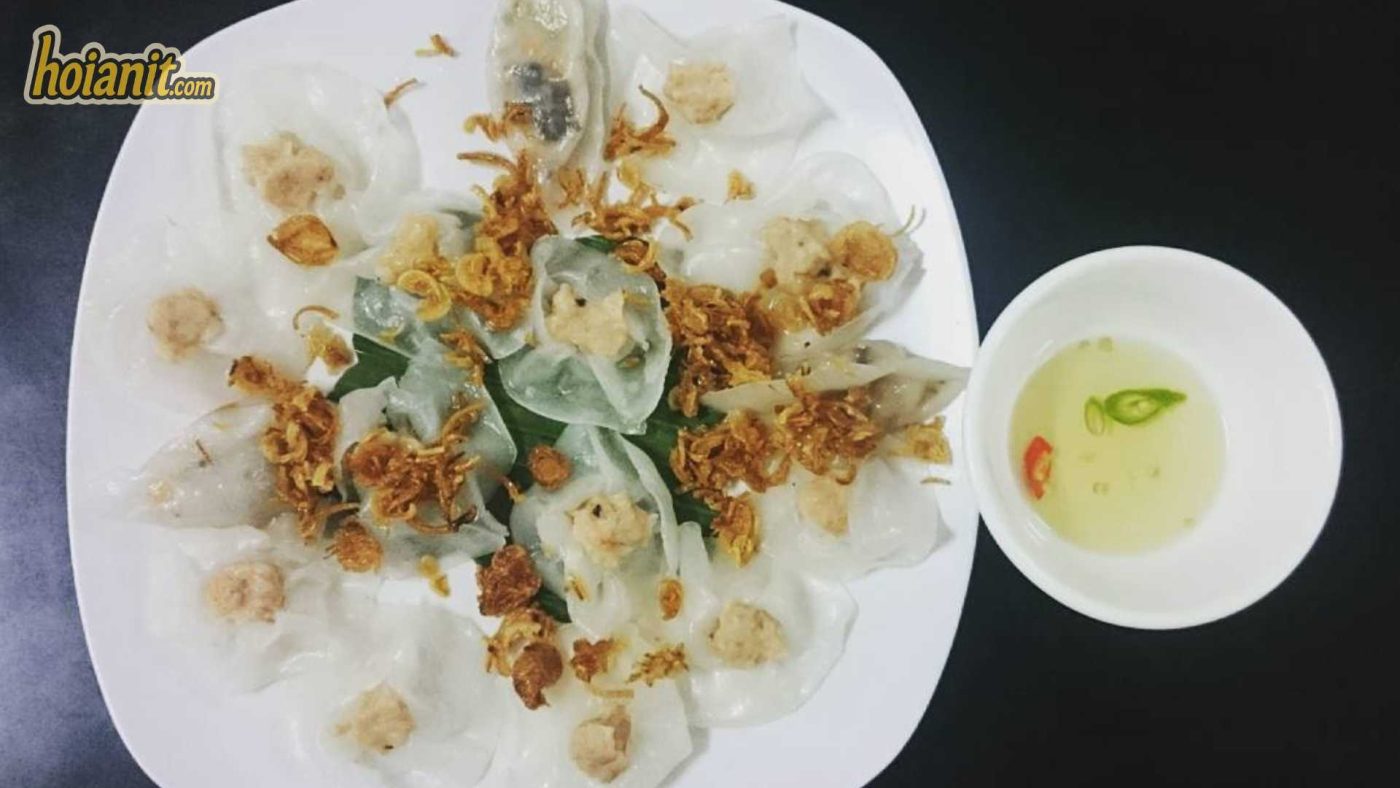
Ask anyone who grew up in Hoi An what to eat first and the answer is rarely a bowl of noodles. It is a small plate of white rose — bánh hoa hồng trắng, or bánh bao bánh vạc in Vietnamese — steamed rice-flour dumplings so thin you can see the pink shrimp through the wrapper, pinched by hand into the shape of a rose. Tourists see a pretty dish. Locals taste a recipe that has been guarded by one family in this town for more than 100 years.
What is white rose Hoi An?
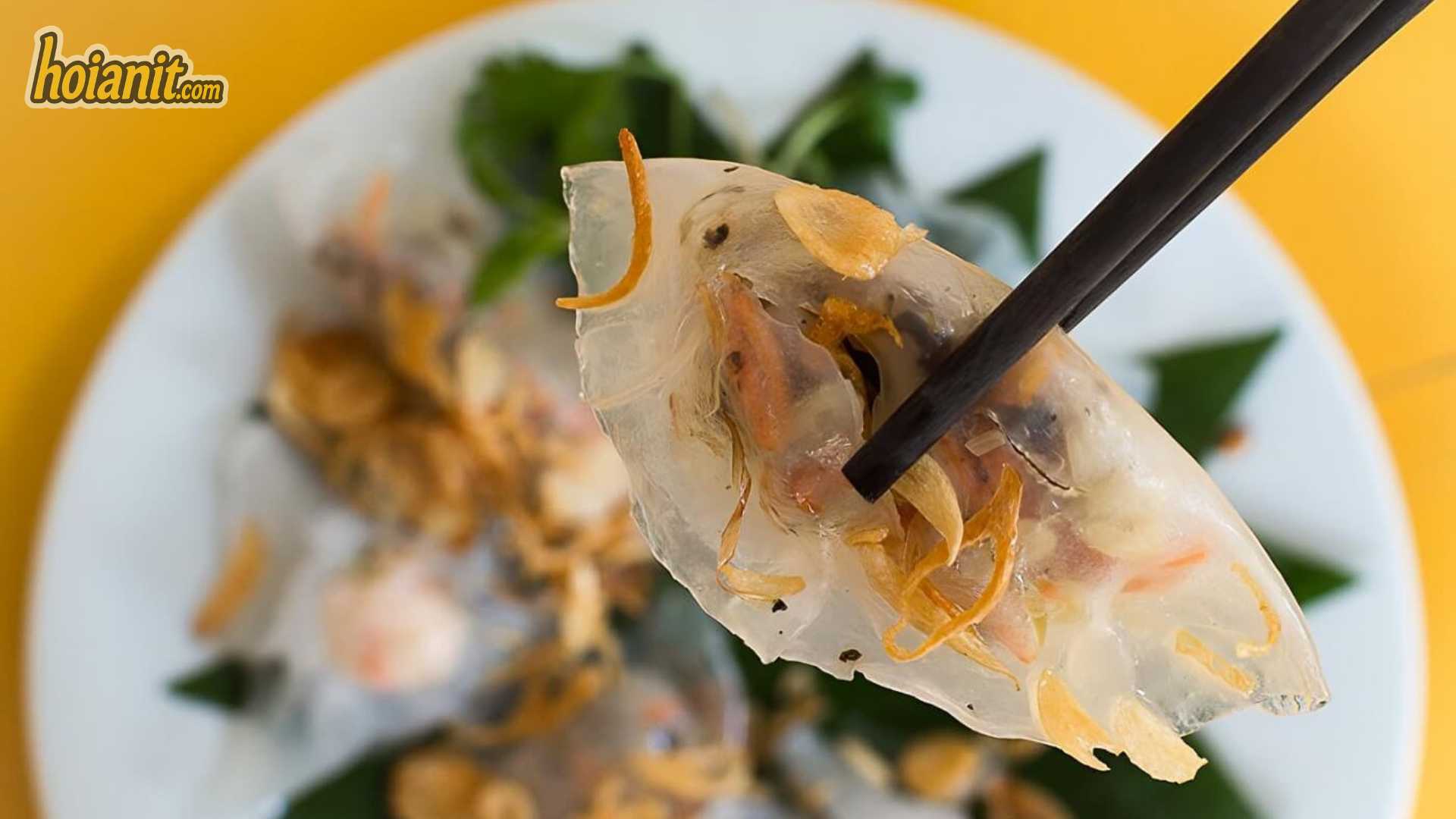
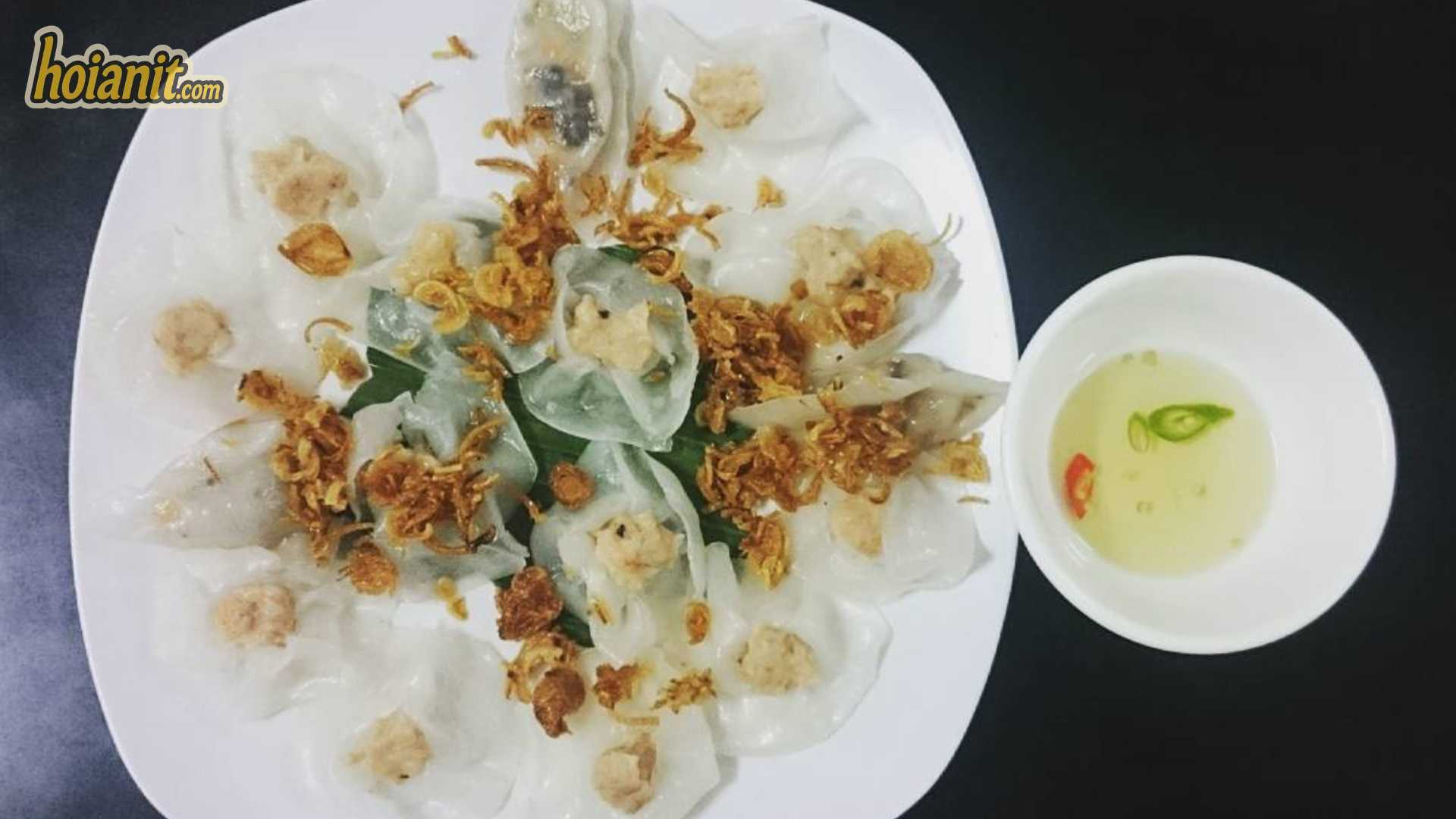
White rose is two dumplings on one plate. Bánh vạc is the flower: a disc of rice dough pinched into petals around a filling of minced shrimp, sometimes with a little pork. Bánh bao, its round sibling, holds a savoury pork filling. Both are steamed until the wrapper turns translucent, then topped with crispy fried shallots and served with a bowl of sweet-sour fish sauce dip. The English name comes from the shape: each pinched dumpling looks like a small white rosebud.
What makes it different from a Chinese har gow or a northern bánh bao is the wrapper. The rice is soaked, ground, strained and rested several times until the dough is elastic enough to be stretched paper-thin without tearing. Eat one straight from the steamer and the skin is soft with a slight chew; wait twenty minutes and it stiffens, which is why the good places never serve it in advance.
The family behind the dumpling
Almost every white rose you eat in Hoi An comes from the same kitchen. For over a century one family has made the dumplings at their house on Hai Bà Trưng Street and supplied restaurants across the Old Town, which is why the dish tastes so consistent from one place to the next. The folding is taught by hand from one generation to the next, and the dough-making stays inside the family.
That is also why the dish is worth seeking out at the source: the restaurant at 533 Hai Bà Trưng (Nhà hàng Bông Hồng Trắng) serves only two things — white rose and Hoi An fried wonton — and steams each plate to order.
Where to eat white rose in Hoi An
| Where | Why go | Good to know |
|---|---|---|
| White Rose Restaurant 533 Hai Bà Trưng | The original family kitchen; two-dish menu, dumplings steamed to order | Open until 8:30 PM · rating 4.3 from 2,500+ reviews · ~10 min wait at busy times |
| Old Town restaurants Nguyễn Thái Học, Trần Phú | Order white rose as a starter with cao lầu or mì Quảng in one sitting | Most source the dumplings from the family kitchen; prices 60,000–80,000₫ |
Our own habit: go to 533 Hai Bà Trưng in the late afternoon, order one plate of white rose and one of fried wonton, then walk into the Old Town for a bowl of cao lầu as the lanterns come on.
Price and what comes on the plate
A plate of white rose in Hoi An costs 60,000–80,000₫ (about $2.30–3.10) depending on the restaurant and the street. A plate mixes the flower-shaped bánh vạc and the round bánh bao, with fried shallots on top and a small bowl of fish-sauce dip. It is a light dish — think of it as a starter or a snack rather than a full meal, and order fried wonton or a noodle dish alongside.
How locals eat it
Visitors tend to eat white rose in a hurry between sights. Locals slow down. The dish belongs to the late afternoon, when the heat drops and the streets go quiet before the evening crowd; you sit, order one plate, and wait for the steam. The shallots add crunch, the shrimp is seasoned lightly so the sweetness comes through, and the dip is sweet-sour rather than salty. Pair it with a glass of iced tea, not beer — the flavours are too delicate for it.
Getting there and a food loop
White Rose Restaurant is at 533 Hai Bà Trưng, 700 m — about ten minutes on foot — from Anh Khoa at 84 Phan Châu Trinh, just north of the pedestrian zone, so you can walk from any Old Town hotel. If you are staying at An Bàng or Cửa Đại, it is about 5 km, a 15-minute ride; Hai Bà Trưng is outside the walking-street hours, so you can park right by the door.
A simple half-day food loop by scooter or e-bike: white rose at 533 Hai Bà Trưng → mì Quảng on the way to Trà Quế vegetable village → coffee at An Bàng beach → back to the Old Town for cao lầu at dusk. Our full list of dishes is in what to eat in Hoi An.
Explore Hoi An’s food streets your own way
Rent a scooter, e-bike or bicycle from Anh Khoa at 84 Phan Châu Trinh — free hotel delivery in Hoi An, helmets included, 24/7 support — and eat your way from white rose to cao lầu.
White rose Hoi An: FAQ
What is white rose in Hoi An?
White rose, or bánh bao bánh vạc, is a plate of steamed rice-flour dumplings filled with shrimp and pork, pinched by hand into a rose shape and topped with fried shallots. It is one of the three signature dishes of Hoi An alongside cao lầu and mì Quảng.
How much does a plate of white rose cost?
Between 60,000 and 80,000₫, roughly $2.30 to $3.10, for a plate of mixed bánh vạc and bánh bao with fish-sauce dip.
Where is the original White Rose Restaurant?
At 533 Hai Bà Trưng, Hoi An, about 700 m north of the Ancient Town. It is open until 8:30 PM and serves only white rose and fried wonton.
Is white rose the same as Vietnamese bánh bao?
Not exactly. The name bánh bao bánh vạc covers two dumplings on one plate, and both use a much thinner, translucent rice wrapper than the fluffy wheat bánh bao sold elsewhere in Vietnam.
Is there a vegetarian white rose?
The traditional filling is shrimp and pork, so the family kitchen does not make a vegetarian version. A few vegetarian restaurants in the Old Town make their own take, but it is not common.
When is the best time to eat white rose?
Late afternoon, when restaurants are quieter and the dumplings come straight from the steamer. Eat them within a few minutes — the wrapper stiffens as it cools.








Motorbike Rental
Bicycle Rental
One-way to Hue
Electric Bicycle
Electric Scooter
Dirt Bike Rental
No License